
Remember when advertising was a one-way conversation? Brands shouted messages at us through TV screens, billboards, and magazine pages, and we passively received them. Then came the internet, and suddenly we could talk back. But the real revolution—the moment advertising stopped being something we just looked at and became something we could step inside—arrived with Augmented Reality (AR).
AR didn't just add a new tool to the marketer's kit. It fundamentally changed the relationship between brand and consumer. It transformed passive viewers into active participants. It turned city streets into playgrounds and living rooms into showrooms. Let's explore four iconic AR campaigns that didn't just use the technology—they redefined what advertising could be.
🛋️ IKEA Place: The End of Guessing Games
For decades, buying furniture came with a built-in anxiety attack. Will that sofa fit in my living room? Does that shade of blue clash with my walls? Is this table actually the right size, or will it make my dining room look like a postage stamp? IKEA, the Swedish furniture giant, decided to eliminate that anxiety entirely with a simple but revolutionary idea: let customers see the furniture in their homes before they buy it.
The campaign: IKEA Place wasn't a one-time ad; it was a fundamental shift in the shopping experience. Using Apple's ARKit, IKEA created an app that allowed users to virtually place true-to-scale 3D models of furniture in their actual rooms. Point your phone at your empty corner, select a sofa, and watch it appear on your screen, perfectly rendered, casting realistic shadows and fitting into the space as if it had always been there. You could walk around it, view it from different angles, and even see how it looked in different lighting conditions throughout the day.
The genius of IKEA Place was its simplicity. It solved a real, universal problem—the uncertainty of online furniture shopping—with elegant technology. It didn't feel like an ad; it felt like a helpful friend. And by removing the risk, IKEA didn't just sell more furniture; they built trust. Customers could make purchases with confidence, knowing exactly what they were getting. The app became an essential tool, not just a marketing gimmick, proving that the most effective AR experiences are the ones that genuinely improve our lives.
🔗 Watch IKEA Place in action here:

🐅 Pepsi Max's "Unbelievable Bus Shelter": Reality, Disrupted
Sometimes, the goal of AR isn't utility—it's pure, unadulterated wonder. In 2014, Pepsi Max transformed a mundane bus stop in London into a window to an impossible world, and the results were nothing short of magical.
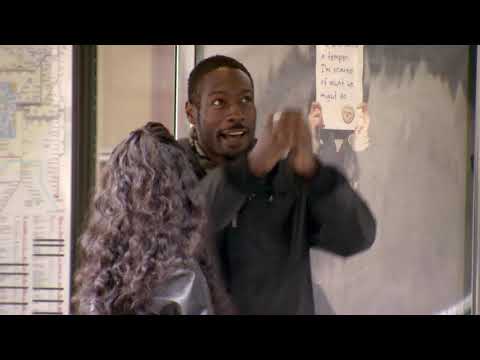
The campaign: Hidden cameras captured the reactions of unsuspecting commuters as they looked through what appeared to be a transparent panel onto the street. But this wasn't glass; it was a high-definition screen displaying a live feed with AR overlays. Commuters gasped, jumped back, and burst into laughter as they witnessed incredible scenes unfolding before their eyes: a giant robot stomping down the street, a tiger prowling casually past the bus, a meteor crashing into the pavement, or tentacles reaching up from the ground to grab passersby.
"Unbelievable Bus Shelter" was a masterclass in shared experience. It turned a routine wait for public transport into a moment of collective surprise and delight. The videos of people's genuine reactions went viral, spreading the Pepsi Max brand to millions who never stood at that London bus stop. The campaign understood that in the age of social media, the most powerful advertising isn't the message itself—it's the reaction the message creates. By giving people a truly shareable moment, Pepsi Max turned every surprised commuter into a brand ambassador.
🔗 Watch the unbelievable reactions here:
🔥 Burger King's "Burn That Ad": The Most Aggressive (and Brilliant) AR Ever
If Pepsi's campaign was about wonder, Burger King's 2019 "Burn That Ad" campaign in Brazil was about pure, playful aggression. It took the age-old tradition of competitive advertising and cranked it up to eleven using AR.
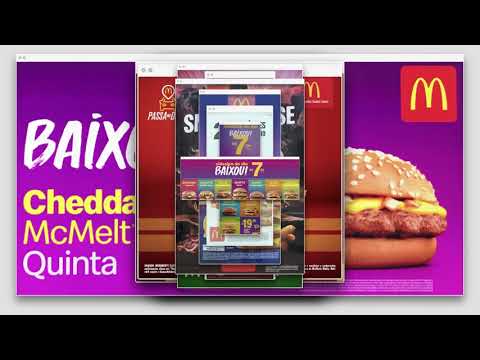
The campaign: Here was the proposition: download the Burger King app, point your phone at any advertisement from their rival McDonald's, and watch the magic happen. On your screen, the competing ad would burst into digital flames, burning away to reveal a coupon for a free Whopper. Yes, Burger King encouraged customers to literally "burn" their competitor's marketing and get rewarded for it.
The audacity was breathtaking. It was aggressive, it was hilarious, and it was perfectly aligned with Burger King's long-standing brand identity as the edgy, rebellious alternative to the golden arches. The campaign generated massive buzz, not just in Brazil but globally, as news outlets and social media users marveled at its sheer nerve.
"Burn That Ad" worked because it gamified the brand rivalry. It turned every McDonald's billboard, bus ad, and poster into a potential Burger King treasure chest. It invited customers to participate in the joke, to become active players in the ongoing burger wars. And by offering a tangible reward—a free Whopper—it drove both app downloads and foot traffic. It was a perfect fusion of AR technology, brand identity, and pure, unadulterated fun.
🔗 Watch Burger King's "Burn That Ad" here:
👟 Nike Fit: Solving the Fitting Room Problem
For all the convenience of online shopping, one category has always been a challenge: footwear. Shoes need to fit perfectly, and sizes can vary wildly between brands and styles. Returns are costly for companies and frustrating for customers. Nike decided to apply AR to this very real problem with Nike Fit.
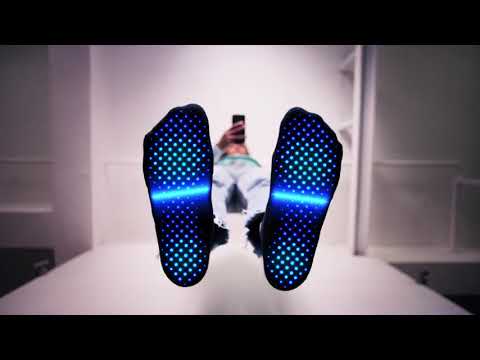
The campaign: Nike Fit is a feature within the Nike app that uses a combination of computer vision, data science, and AR to scan a customer's feet. The user simply points their phone's camera at their feet, and the app captures 13 data points to create a precise measurement of each foot. It then recommends the perfect size for the specific Nike shoe the customer is considering.
This wasn't a flashy, shareable gimmick. It was a practical, utilitarian solution to a genuine pain point. By using AR to solve the sizing problem, Nike dramatically improved the online shopping experience, reduced return rates, and built deeper customer loyalty. The message was clear: Nike understands that buying shoes online should be easy, and they're using cutting-edge technology to make it happen.
Nike Fit represents the mature phase of AR in advertising. It's not about spectacle; it's about seamless integration. The technology fades into the background, simply making the shopping experience better. And that, ultimately, is the highest goal of any marketing tool.
🔗 Watch Nike Fit explained here:
The AR Revolution: From Gimmick to Essential
These four campaigns chart the evolution of AR in advertising. IKEA Place showed us the practical power of virtual try-before-you-buy. Pepsi Max demonstrated the viral potential of shared wonder. Burger King proved that AR could amplify brand personality with playful aggression. And Nike Fit illustrated how AR can seamlessly solve real customer problems.
Together, they tell a story of a technology that has matured from a novelty into an essential tool. AR no longer just grabs our attention—it enhances our decision-making, delights us in public spaces, invites us to play with brands, and makes our lives easier.
The future of advertising isn't about interrupting us. It's about integrating into our world, adding a layer of digital magic to our physical reality. And if these four campaigns are any indication, that future is going to be incredibly exciting.
Discover effective strategies for conducting market research to enhance your campaigns. Learn how to gather insights that drive successful marketing decisions.
Discover how visuals enhance advertising effectiveness, capturing attention and driving engagement. Explore the science behind impactful visual strategies.
Discover the art of crafting a compelling brand story that connects with your audience. Learn essential tips to elevate your brand's narrative and impact.
Discover the intriguing world of commercials that cleverly incorporate hidden messages. Uncover the secrets behind these captivating advertisements today!
Discover the fascinating world of unique advertisements that were released only once. Explore their impact and the stories behind these rare marketing gems.
Discover the power of reverse psychology in advertising. Explore iconic ads that cleverly influenced audiences and changed marketing strategies forever.
commercials that transcended advertising to become iconic pop culture catchphrases. Explore their impact and lasting legacy
Explore fascinating ads that foresaw the future of technology. Discover how visionary marketing shaped innovations we rely on today.
Discover commercials that cleverly break the fourth wall, engaging viewers in unique ways. Explore iconic ads that redefine advertising creativity.
Discover the evolution of commercials into captivating short films. Explore this new genre that blends storytelling with advertising in innovative ways.
Discover the stunning locations where the Samsung Galaxy "Flip Your World" commercial was filmed. Uncover the creative backdrop behind this iconic ad.