
We've all been there: settled comfortably on the sofa, remote in hand, ready to finally watch that movie everyone's been talking about. Then it happens. The inevitable commercial break. For decades, that moment signaled a pause—a time to check your phone, grab a snack, or mentally disconnect. But lately, something has fundamentally shifted. That break doesn't always feel like an interruption anymore. Sometimes, it feels like the main event.
We are witnessing the unprecedented rise of a powerful new artistic medium that defies traditional categorization: the branded short film. It exists in the liminal space between commerce and art, between advertising and cinema. It's a realm where iconic fashion houses transform into respected film studios, where legendary directors like Pedro Almodóvar and Spike Jonze trade their usual feature-length projects for intimate 30-minute masterpieces, and where an airline campaign can genuinely move you to tears. This phenomenon isn't about selling a product in the traditional sense; it's about telling a story so compelling, so visually arresting, and so emotionally resonant that the brand becomes forever intertwined with the feelings it evokes. Let's embark on a deep dive into four remarkable examples that are actively defining and reshaping this exciting new genre.
The Evolution of Brand Storytelling
To understand why this moment matters, we need to look at the broader landscape of media consumption. We live in an era of ad-blockers, subscription fatigue, and shrinking attention spans. The traditional 30-second television spot, once the undisputed king of advertising, has lost much of its power. Audiences have become remarkably adept at tuning out overt sales pitches. They crave authenticity, narrative depth, and genuine emotional connection. They want to be entertained, not sold to.
This is precisely where the branded short film finds its purpose. It operates on a principle of mutual respect and value exchange. The brand invests significant resources—often millions of dollars—to produce something of genuine cultural value: a film by a master director, a piece of visual art, a story that resonates on a human level. In return, the audience willingly offers something far more valuable than a momentary glance: their sustained attention, their emotional engagement, and ultimately, their lasting association between those feelings and the brand that made them possible. It's a sophisticated, nuanced approach to marketing that treats audiences not as consumers to be targeted, but as viewers, as fans, as complex human beings with an appetite for great art.
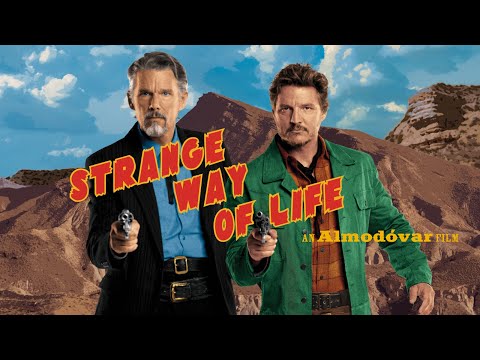
🐎 When Almodóvar Meets the Wild West: Saint Laurent's "Strange Way of Life"
If you're searching for the purest, most ambitious, and most artistically credible example of this trend, look no further than "Strange Way of Life." This is not a commercial disguised as a film. It is a genuine 31-minute Western, masterfully directed by the one and only Pedro Almodóvar, and starring two of the most compelling actors working today: Pedro Pascal and Ethan Hawke. Its credentials are unimpeachable; it premiered at the Cannes Film Festival, standing proudly alongside the world's most anticipated feature films.
Let that sink in for a moment. A film funded by a fashion luxury house received the honor of screening at the most prestigious film festival on the planet. The narrative follows Sheriff Jake (Hawke) and rancher Silva (Pascal), two gunslingers who reunite after 25 years. Their encounter is charged with tension, history, and the unspoken complexities of their past relationship. It is pure, unadulterated Almodóvar—drenched in stunning visuals, simmering with repressed desire, and exploring themes of masculinity, memory, and morality.
Produced under the banner of Saint Laurent Productions, this film proves beyond any doubt that a fashion house can foster and champion genuine auteur cinema. It's not a fragrance advertisement awkwardly dressed in cowboy attire; it's a legitimate Western that happens to feature the impeccable, understated costume design you'd expect from Saint Laurent. Every stitch, every fabric choice, every silhouette serves the story and its characters. By doing so, the brand elevates itself. It positions Saint Laurent not just as a clothing label, but as a patron of the arts, a tastemaker, and a storyteller in its own right. "Strange Way of Life" didn't just set a new benchmark; it redefined the playing field entirely, demonstrating that when a brand serves the story, the rewards are far greater than any traditional campaign could deliver.
🐅 Spike Jonze's Surrealist Vision for Gucci
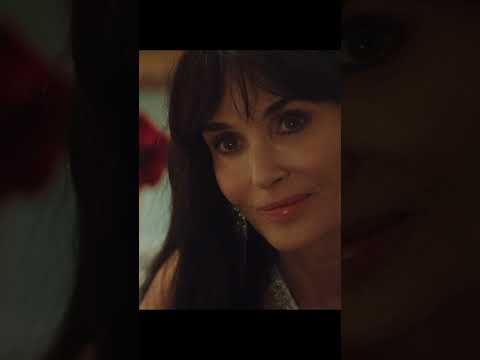
From the sun-scorched deserts of the West, we journey into a world of surrealist luxury and artistic experimentation with Gucci's "The Tiger." Slated for release in 2025 or 2026, this highly anticipated short film represents a convergence of iconic forces: the visionary director Spike Jonze, known for his work on Her, Being John Malkovich, and Adaptation, and the legendary, endlessly fascinating Demi Moore.
While specific plot details remain closely guarded, the premise is tantalizingly ambitious. "The Tiger" is described as a surrealist short that explores the rich heritage of the Gucci brand through a high-level, avant-garde cinematic narrative. This approach is a masterclass in how a legacy brand can communicate its history without being didactic or boring. Instead of producing a straightforward historical documentary, Gucci is choosing allegory, metaphor, and Jonze's signature blend of whimsy, pathos, and visual invention to tell the story of its identity.
This strategy signals an immense trust in the audience's intelligence and cultural sophistication. Gucci is inviting us to interpret, to feel, and to be transported by a piece of art. The brand understands that its heritage isn't just a list of dates and product launches; it's a feeling, an aesthetic, a collection of stories and myths. By commissioning a filmmaker like Spike Jonze, they ensure that "The Tiger" will be discussed, analyzed, and debated in film clubs and cultural publications for years to come. The double-G logo is present, certainly, but it's woven into a larger, more profound artistic statement. It's a gamble, but for a brand built on daring creativity, it's the most natural gamble in the world.
🚢 The Visual Poetry of Burberry's "Open Spaces"
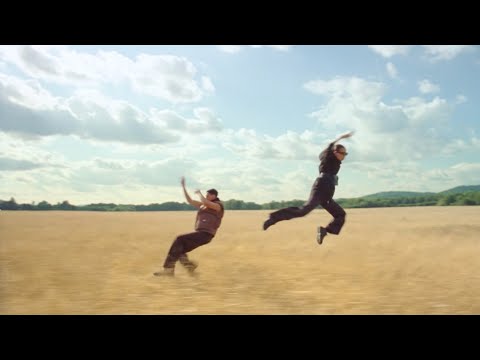
Not every branded short film requires a half-hour runtime to leave an indelible mark on the viewer. Burberry's "Open Spaces," directed by the acclaimed collective Megaforce, stands as a perfect testament to the power of concise, visually-driven storytelling. While its duration is shorter than the other examples, its narrative and emotional impact are anything but diminished.
The film utilizes breathtaking aerial cinematography to capture the sublime feeling of boundless freedom and exploration—concepts that lie at the very heart of the Burberry brand identity. "Open Spaces" is a meditation on movement, on the profound relationship between the vast earth below and the endless sky above, and on the diverse individuals who choose to inhabit and traverse these magnificent landscapes. It features no dialogue, yet it speaks volumes. It communicates a sense of adventure, of rugged elegance, of the human spirit's innate desire to explore.
The technical mastery on display is undeniable. The film won multiple awards for its cinematography, and a single viewing makes the reasons immediately apparent. Every frame is composed with the meticulous care of a landscape painter, resulting in a piece that feels more like a moving art installation than a conventional advertisement. By prioritizing pure visual poetry over any explicit sales message, Burberry created something truly transcendent. "Open Spaces" proves that "cinematic" is not defined by a specific length, but by a feeling—an atmosphere, a mood, a quality of light and movement that elevates the viewer's experience and leaves them with a lasting, positive impression of the brand.
☁️ Finding the Human Drama in United's "The Joy of Travel"
Finally, we arrive at an example that powerfully demonstrates how this burgeoning genre isn't the exclusive domain of luxury fashion houses. United Airlines' 2026 campaign, titled "The Joy of Travel," adopts a completely different, yet equally effective and emotionally resonant, approach to branded storytelling.
Described as an anthology-style short film, it skillfully weaves together three intersecting stories, all unfolding within the bustling, transient world of a major airport. The key innovation here is the complete and deliberate shift in narrative focus. There are no glamorous shots of gleaming plane engines, no montages of smiling flight attendants demonstrating safety features, no voiceovers listing destination cities or frequent flyer perks. Instead, the film turns its gaze inward, focusing intently on human drama in its most authentic and relatable forms.
We meet a nervous first-time flyer, her anxiety palpable as she navigates the unfamiliar terminal. We observe a couple sharing a quiet, poignant goodbye at the gate, their unspoken emotions filling the space between them. We follow an elderly grandmother, her face alight with anticipation, as she makes her way toward a long-awaited reunion with her family. By choosing to highlight these universal, often unspoken, moments of human connection and vulnerability, United Airlines elevates its brand identity from a mere transportation provider to something far more profound: a silent facilitator of life's most meaningful experiences and transitions.
This is a masterful piece of storytelling because it understands that the deepest brand loyalty isn't built on points or routes, but on shared emotions. United is telling its customers, "We see you. We understand what travel means to you—the anxiety, the sadness, the joy, the love." It's a powerful, human-centric reminder that the most effective brand communication is rooted in authentic, deeply felt human experience.
Why This Movement Matters: Ushering in a New Golden Age of Advertising?
So, after examining these four distinct and brilliant films, what overarching conclusions can we draw? What do they collectively signal about the future of both advertising and cinema?
They undeniably point to a fundamental, irreversible shift in how major brands choose to communicate with the world. In a media environment saturated with noise, the old model of the interruptive, hard-sell 30-second spot is not just losing effectiveness—it's becoming culturally irrelevant. What is emerging to replace it is a sophisticated model of value exchange. The brand, acting as a modern-day patron, invests in creating and gifting the audience something of genuine cultural and artistic value: a film by a master director like Almodóvar, a piece of surrealist visual art from Spike Jonze, or a deeply moving human story set in an airport.
In return, the audience doesn't just tolerate the message; they actively seek it out. They give the brand their undivided attention, their emotional investment, and, most crucially, a lasting positive association that no traditional advertisement could ever hope to forge. This new genre, the branded short film, treats us not as consumers to be manipulated, but as viewers, as fans, as complex human beings with a deep-seated need for stories that move us, challenge us, and make us feel more connected to the world.
It understands a fundamental truth: the deepest, most resilient brand loyalty isn't constructed on a foundation of product features or competitive pricing. It is built on the bedrock of shared stories, mutual values, and profound emotions. And if these four remarkable examples are any indication of what the future holds, then the coming years promise to be a very, very interesting time for the intersection of commerce and art. We are not just watching commercials anymore. We are watching the birth of a new cinematic language.
Discover effective strategies for conducting market research to enhance your campaigns. Learn how to gather insights that drive successful marketing decisions.
Discover how visuals enhance advertising effectiveness, capturing attention and driving engagement. Explore the science behind impactful visual strategies.
Discover the art of crafting a compelling brand story that connects with your audience. Learn essential tips to elevate your brand's narrative and impact.
Discover the stunning locations where the Samsung Galaxy "Flip Your World" commercial was filmed. Uncover the creative backdrop behind this iconic ad.
Discover who directed the latest Google Pixel Super Bowl-style ad and explore the creative vision behind this captivating commercial.
Discover the classical song featured in the Apple MacBook Air commercial. Uncover its history and why it perfectly complements the ad's message.
Discover the identity of the dad in the Amazon Alexa 2026 family commercial. Uncover insights and details about this engaging advertisement today.
Discover the deeper meaning behind the Meta Quest 3 VR commercial. Explore themes, visuals, and messages that redefine virtual reality experiences.
Discover the identity of the girl featured in the YouTube Premium "No Ads" commercial. Uncover her story and what makes her stand out in this captivating ad.
Discover the catchy tune featured in Hulu's "Bundle & Save" ad. Uncover the song's title and artist, and learn more about its significance in the campaign.
Discover the star-studded lineup featured in Disney+'s "Coming Soon 2026" commercial. Find out who will be captivating audiences next year!