
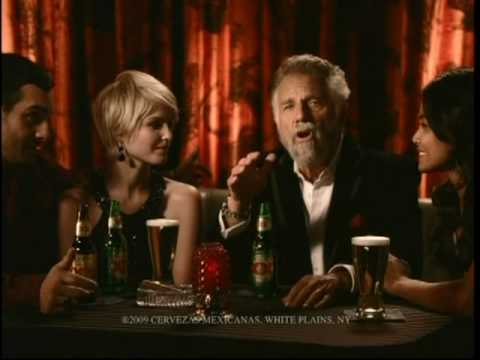
Can you hear them? The phrases echo through time, instantly recognizable, forever linked to a product, a moment, and a feeling. "Where's the beef?" "Whassup!" "Stay thirsty, my friends." These aren't just advertising slogans. They are pop culture artifacts—linguistic shortcuts that capture entire eras, attitudes, and shared experiences.The greatest commercial catchphrases do something remarkable: they escape the commercials. They leap from the screen into our living rooms, our schools, our workplaces, and even our presidential debates. They become part of how we talk to each other, how we joke, and how we express ourselves. Let's explore five legendary campaigns that achieved this rare alchemy, transforming simple lines into the voice of a generation.🍔 Wendy's "Where's the Beef?" (1984): From Fast Food Counter to Presidential DebateIn 1984, America was obsessed with a question. It wasn't about politics or world events. It was about hamburgers. And it was delivered by three elderly ladies staring at a massive, fluffy bun containing a disappointingly tiny patty.The phrase: "Where's the beef?"The Wendy's commercial was simple but brutally effective. Clara Peller, a crotchety 80-year-old former manicurist, stares at her burger from a competitor, which features a gloriously large bun but a minuscule piece of meat. She shouts her question with incredulous outrage, and the phrase instantly entered the national lexicon.But its journey didn't end there. "Where's the beef?" became a cultural shorthand for questioning substance versus style. It was used to critique everything from flimsy products to empty political promises. Most famously, during the 1984 Democratic presidential primary debates, candidate Walter Mondale used the phrase to attack his opponent Gary Hart's policy proposals, asking, "When I hear your new ideas, I'm reminded of that ad, 'Where's the beef?'" The line landed perfectly, proving that a fast-food catchphrase could hold its own on the most serious political stage.The genius of the phrase is its universality. It's a question we've all wanted to ask when something promises more than it delivers. By tapping into that shared frustration with humor and outrage, Wendy's didn't just sell hamburgers; they gave America a new way to demand accountability.🔗 Watch the classic commercial here:


🍫 Snickers' "You're Not You When You're Hungry" (2010s): The Universal Truth
Some catchphrases succeed because they articulate a truth so obvious and universal that we're surprised no one said it before. Snickers' "You're not you when you're hungry" is a perfect example.
The campaign, which reached its peak with the legendary 2010 Super Bowl commercial starring the ageless Betty White, tapped into a fundamental human experience: hanger. The premise was brilliant in its simplicity. A group of friends plays a brutal game of pickup football. One player, a young man, is tackled hard and starts playing like... an old lady. He whines, he complains, he's tackled by Abe Vigoda. Finally, someone throws him a Snickers. He takes a bite and instantly transforms back into himself. The tagline lands perfectly: "You're not you when you're hungry."
The Betty White spot became an instant classic, not just for the hilarious sight of the beloved actress body-slamming a much younger man, but for the perfect execution of a universal truth. The phrase "You're not you when you're hungry" has become a cultural staple. We use it to explain our own irritability, to gently tease a grumpy friend, or to justify a mid-afternoon snack break. It's become the definitive explanation for a state of being that previously had no name. Snickers didn't just sell a candy bar; they gave a name to a shared human condition.
🔗 Watch the Betty White Snickers commercial here:

🥔 Sabritas/Lay's "A que no puedes comer solo una" (1980s-Present): The Challenge Heard Across Generations
In the Hispanic market, no catchphrase has achieved the legendary status of Sabritas' (and later Lay's) "A que no puedes comer solo una" — "I bet you can't eat just one." It's a challenge, a taunt, and an irresistible invitation rolled into one perfect line.
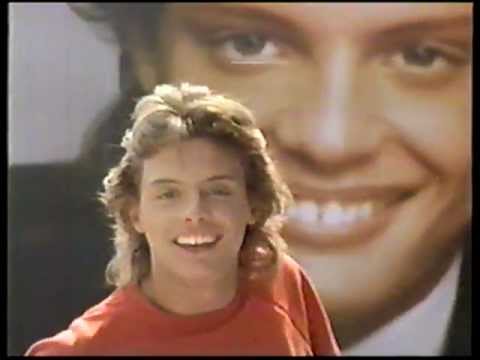
The campaign has endured for decades, evolving with the times while staying true to its core message. Its most iconic iterations featured Mexican superstars like Luis Miguel and Alejandra Guzmán, who brought their immense star power to the simple act of enjoying potato chips. Watching "El Sol" himself struggle to resist the temptation of just one more chip was both hilarious and deeply relatable.
The genius of the phrase is its playful, conversational tone. It's not a declarative statement about quality or taste. It's a direct challenge to the viewer, a bet that creates immediate engagement. "I bet you can't..." is the opening move in a game, and it invites the audience to prove the brand wrong—a challenge that inevitably ends with them reaching for another chip.
"A que no puedes comer sola una" has become so deeply embedded in Hispanic pop culture that it's used in everyday conversation, referenced in TV shows, and instantly recognized across generations. It's a testament to the power of a simple, well-crafted challenge that speaks directly to human nature.
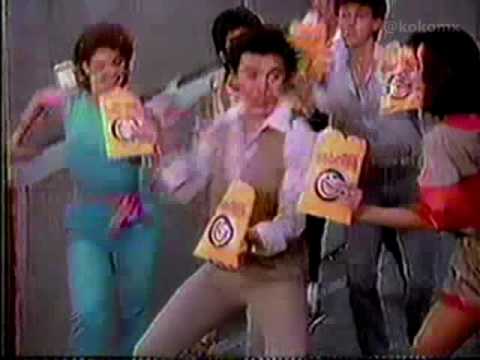
🔗 Watch the classic 1984 commercial here:
🔗 Watch the Luis Miguel version here:
Why Catchphrases Become Legendary
What do these five phrases have in common? They all share a few key ingredients:
Simplicity: They are short, memorable, and easy to repeat.
Universality: They tap into emotions or experiences everyone shares—hunger, curiosity, camaraderie, ambition, temptation.
Authenticity: They feel like real human speech, not corporate jargon.
Cultural Timing: They arrive at a moment when the culture is ready to embrace them.
These catchphrases succeeded because they stopped being about the product and started being about us. "Where's the beef?" became about demanding substance. "Whassup!" became about friendship. "Stay thirsty" became about ambition. "You're not you" became about understanding our own moods. And "A que no puedes comer sola una" became about the irresistible pull of simple pleasure.
They remind us that the most powerful advertising doesn't sell products. It sells language. It gives us new ways to talk to each other, to laugh together, and to make sense of our shared human experience. And that is a legacy that no quarterly sales report can ever capture.
Discover effective strategies for conducting market research to enhance your campaigns. Learn how to gather insights that drive successful marketing decisions.
Discover how visuals enhance advertising effectiveness, capturing attention and driving engagement. Explore the science behind impactful visual strategies.
Discover the art of crafting a compelling brand story that connects with your audience. Learn essential tips to elevate your brand's narrative and impact.
Explore fascinating ads that foresaw the future of technology. Discover how visionary marketing shaped innovations we rely on today.
Discover commercials that cleverly break the fourth wall, engaging viewers in unique ways. Explore iconic ads that redefine advertising creativity.
Discover the evolution of commercials into captivating short films. Explore this new genre that blends storytelling with advertising in innovative ways.
Discover the stunning locations where the Samsung Galaxy "Flip Your World" commercial was filmed. Uncover the creative backdrop behind this iconic ad.
Discover who directed the latest Google Pixel Super Bowl-style ad and explore the creative vision behind this captivating commercial.
Discover the classical song featured in the Apple MacBook Air commercial. Uncover its history and why it perfectly complements the ad's message.
Discover the identity of the dad in the Amazon Alexa 2026 family commercial. Uncover insights and details about this engaging advertisement today.
Discover the deeper meaning behind the Meta Quest 3 VR commercial. Explore themes, visuals, and messages that redefine virtual reality experiences.