
Have you ever stared at a familiar logo for the hundredth time and suddenly seen something completely new? A hidden arrow, a secret word, a tiny image you'd missed for years? That moment of discovery feels like being let in on a private joke—a secret conversation between the designer and the attentive viewer.
Hidden messages in advertising are everywhere, hiding in plain sight. Some are playful Easter eggs, others are masterclasses in negative space, and a few have sparked decades of debate about subliminal messaging. Let's pull back the curtain on five iconic examples of hidden messages in commercials and logos, and explore why designers love to play these visual games.
1. KFC's "Snacker" Commercial: Real Money in the Lettuce
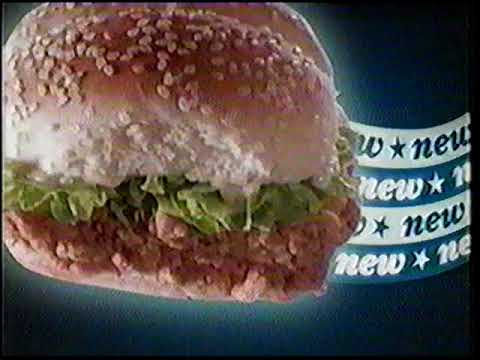
Fast food commercials are famously constructed—every burger is perfectly styled, every ingredient meticulously placed. So when a real dollar bill appeared in one, it wasn't an accident.
The hidden message: In a KFC commercial promoting their "Snacker" sandwich, if you freeze the frame at exactly the 0:15 second mark, you'll spot something unusual nestled in the lettuce: a genuine, crisp one-dollar bill. It's there, partially visible, tucked between the greens like an unexpected tip.
Was it a production error? A deliberate Easter egg? Most likely, it was a playful nod from the commercial's creators—a tiny surprise for eagle-eyed viewers. The placement is too perfect to be accidental, yet subtle enough that most people would never notice. It's the advertising equivalent of a hidden Mickey Mouse in a Disney film, a small reward for those who pay close attention.
The dollar bill in the lettuce doesn't sell anything. It doesn't reinforce a brand message. Its sole purpose is to delight the tiny fraction of viewers who spot it, creating a sense of shared secret between the brand and its most observant fans.
🔗 Watch the KFC commercial and find the hidden dollar here:
2. McDonald's in "Iron Chef": The Subliminal Flash
This is perhaps the most famous—and controversial—example of alleged subliminal advertising in television history. It involves a beloved cooking show, a fast-food giant, and a single frame that appeared for only a fraction of a second.
The hidden message: During an episode of the popular cooking competition "Iron Chef," viewers who recorded the show and watched it frame-by-frame discovered something startling. For just one single frame—about 1/30th of a second—a McDonald's logo flashed on screen. It was there and gone so quickly that the conscious mind couldn't register it, but the theory of subliminal advertising suggests the subconscious mind might.
The discovery ignited a firestorm of controversy. Was this a deliberate attempt to bypass viewers' conscious defenses and plant a hunger cue directly in their brains? Or was it a production error, a stray image accidentally left in the edit? McDonald's denied any intent, and the incident became a textbook example in discussions about subliminal messaging ethics.
Whether intentional or accidental, the "Iron Chef" flash remains a landmark moment in advertising lore. It taps into our deepest fears about media manipulation—the idea that forces we can't see or consciously perceive might be shaping our desires.
🔗 Watch the analysis of the McDonald's flash here:
3. Wendy's Logo: The "MOM" in the Collar
The Wendy's logo is one of the most recognizable in the world. That cheerful, freckled-faced girl with the pigtails has been welcoming hungry customers since 1969. But look closer. Much closer. There's a secret hidden in her collar.
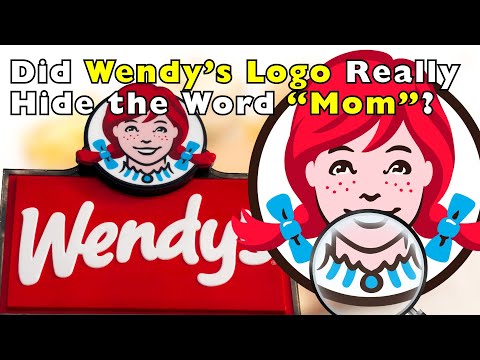
The hidden message: The Wendy's logo features the company name in a bold, friendly font. But if you look carefully at the collar of Wendy's shirt, you'll notice the ruffled lines aren't just decorative. They are carefully arranged to subtly spell out the word "MOM."
Yes, right there, in the negative space between the lines of her collar, the letters M-O-M are clearly visible once you know to look for them. It's a deliberate, heartwarming touch from the original designer. The message is simple: Wendy's is a place you'd trust like your own mom's kitchen. It's homey, wholesome, and comforting.
This hidden "MOM" is a perfect example of subtle branding done right. It doesn't scream at you. It doesn't flash on screen. It simply sits there, quietly reinforcing the brand's family-friendly values for anyone curious enough to look closely. Once you see it, you can never unsee it—and every time you pass a Wendy's, you're reminded of that warm, maternal connection.
🔗 Watch an analysis of the Wendy's logo here:
4. FedEx: The Arrow That Won Design Awards
The FedEx logo is universally celebrated as one of the greatest examples of negative space design in history. It's simple, bold, and unforgettable. But its brilliance lies in a detail most people miss for years.
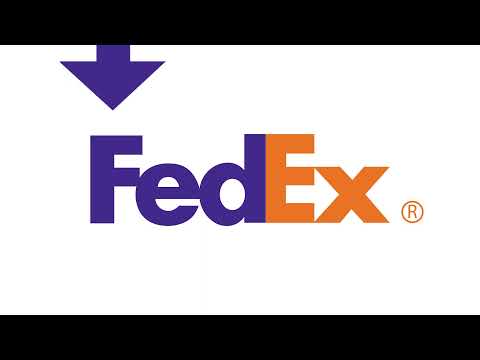
The hidden message: Look at the space between the capital "E" and the lowercase "x" in "FedEx." Do you see it? There, formed by the negative space, is a perfect white arrow pointing to the right. Once you see it, it's impossible to miss.
This hidden arrow is a masterpiece of subliminal communication. It suggests speed, precision, and forward movement—exactly the qualities you want in a delivery service. The arrow is so elegantly integrated that it feels inevitable, yet millions of people see the logo every day without consciously noticing it.
The FedEx arrow has won numerous design awards and is studied in design schools worldwide. It proves that the most powerful hidden messages aren't about manipulation; they're about elegant efficiency. The arrow communicates a core brand value without using a single additional word or image. It's design doing double duty, and it's absolutely brilliant.
🔗 Watch a breakdown of the FedEx hidden arrow here:
5. Tostitos: Two Friends Sharing a Dip
The Tostitos logo is colorful, fun, and perfectly suited to a party snack brand. But like FedEx, it contains a hidden image that reinforces the brand's core message in a delightful way.
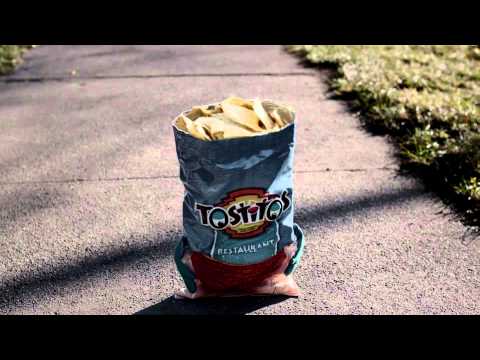
The hidden message: Look at the two "T"s in the middle of the word "Tostitos." Notice how the dots above them are positioned? Now look at the space between the two "T"s. The two letters themselves form the shapes of two people leaning in toward each other. The dot of the first "i" becomes a bowl of salsa sitting between them. The logo literally shows two people sharing a dip.
It's a perfect visual pun. The brand name, the product (salsa), and the social act of sharing are all combined into a single, clever logo. Like the FedEx arrow, this hidden image rewards close attention and reinforces the brand's identity as a social, shareable snack. It's friendly, it's fun, and it makes you smile when you finally spot it.
Tostitos didn't need to explain that their chips are for sharing. Their logo says it all, hidden in plain sight.
🔗 Watch an explanation of the Tostitos logo here:
The Ethics and Joy of Hidden Messages
These five examples fall into two distinct categories. The FedEx arrow, Wendy's "MOM," and Tostitos' sharing figures are examples of positive hidden design—elegant, playful touches that enhance a brand without deception. They reward attention and create a sense of discovery.
The KFC dollar bill is a pure Easter egg—a playful secret for observant fans, doing no harm and creating delight.
The McDonald's "Iron Chef" flash, whether intentional or accidental, falls into the more controversial category of subliminal messaging. It raises uncomfortable questions about manipulation and the boundaries of ethical advertising.
As viewers, these hidden messages remind us that advertising is not just about selling. It's also about creativity, play, and the joy of discovery. The next time you look at a familiar logo or watch a commercial, take a closer look. You never know what secrets might be hiding in plain sight.
Discover effective strategies for conducting market research to enhance your campaigns. Learn how to gather insights that drive successful marketing decisions.
Discover how visuals enhance advertising effectiveness, capturing attention and driving engagement. Explore the science behind impactful visual strategies.
Discover the art of crafting a compelling brand story that connects with your audience. Learn essential tips to elevate your brand's narrative and impact.
Discover the fascinating world of unique advertisements that were released only once. Explore their impact and the stories behind these rare marketing gems.
Discover the power of reverse psychology in advertising. Explore iconic ads that cleverly influenced audiences and changed marketing strategies forever.
commercials that transcended advertising to become iconic pop culture catchphrases. Explore their impact and lasting legacy
Explore fascinating ads that foresaw the future of technology. Discover how visionary marketing shaped innovations we rely on today.
Discover commercials that cleverly break the fourth wall, engaging viewers in unique ways. Explore iconic ads that redefine advertising creativity.
Discover the evolution of commercials into captivating short films. Explore this new genre that blends storytelling with advertising in innovative ways.
Discover the stunning locations where the Samsung Galaxy "Flip Your World" commercial was filmed. Uncover the creative backdrop behind this iconic ad.
Discover who directed the latest Google Pixel Super Bowl-style ad and explore the creative vision behind this captivating commercial.