
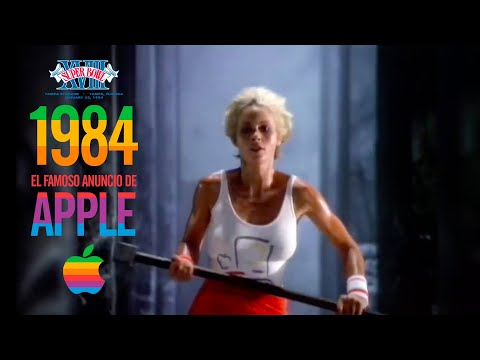
In the world of advertising, repetition is the rule. The average consumer needs to see a message multiple times before it sticks. Brands buy media in bulk, ensuring their commercials air hundreds, even thousands, of times. But then there are the exceptions—the ads that aired exactly once. These rare birds become legendary not despite their scarcity, but because of it. They are moments frozen in time, cultural flashpoints that we remember decades later precisely because we only saw them that one time.From dystopian visions of the future to tear-jerking tributes and controversial gut-punches, these five commercials achieved immortality in a single broadcast. Let's explore why.1. Apple's "1984" (Super Bowl XVIII): The Shot Heard Round the WorldIt's arguably the most famous commercial in history, and it aired exactly once on national television. Directed by none other than Ridley Scott (fresh off Blade Runner), Apple's "1984" introduced the Macintosh computer to the world during the third quarter of Super Bowl XVIII on January 22, 1984.The moment: The commercial is a dystopian masterpiece. A grey, oppressed army marches in lockstep toward a giant screen where a menacing "Big Brother" figure delivers a propaganda speech. Suddenly, a vibrant young woman in athletic wear runs down the aisle, chased by thought police. She swings a sledgehammer with all her might and hurls it at the screen, which explodes in a blinding light. A narrator calmly announces: "On January 24th, Apple Computer will introduce Macintosh. And you'll see why 1984 won't be like '1984.'"The ad ran only during the Super Bowl and then was never aired again as a national commercial (though it has been shown in retrospectives). That single broadcast generated unprecedented buzz. It was discussed, dissected, and debated in news programs and offices across America. By airing it just once, Apple turned the commercial into an event. It wasn't an ad; it was a statement. It positioned Apple not as a computer company, but as a revolutionary force for individuality in a conformist world. The scarcity of the broadcast mirrored the message: this was a one-time opportunity to break free.🔗 Watch Apple's "1984" here:


4. Chrysler's "Imported from Detroit" (Super Bowl XLV, 2011): Eminem's Ode to the Motor City
In 2011, the American auto industry was clawing its way back from the brink of collapse. Detroit was a city synonymous with struggle, but also with resilience. Chrysler decided to make a statement, and they enlisted the city's most famous son, Eminem, to deliver it.
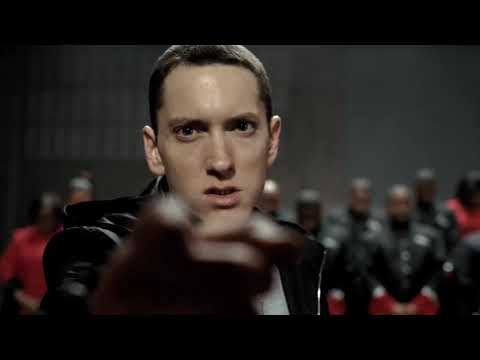
The moment: The two-minute epic opens with gritty, beautiful shots of Detroit—its architecture, its people, its spirit. Eminem drives through the city in a Chrysler 200, eventually arriving at the Fox Theatre. As he walks through the empty, ornate auditorium, a choir sings. He sits at the edge of the stage, looks into the camera, and delivers the now-iconic line: "This is the Motor City, and this is what we do."
The ad was the longest and most expensive in Super Bowl history at the time. It was a love letter to a city, a defiant declaration that Detroit was not finished. It aired only once, but that single broadcast was enough. The commercial became an instant classic, winning the Super Bowl ad race and sparking countless articles, discussions, and parodies. Its power came from its authenticity—it wasn't just selling a car; it was selling a story of rebirth.
🔗 Watch Chrysler's "Imported from Detroit" here:
5. Nationwide's "Make Safe Happen" (Super Bowl XLIX, 2015): The Ad That Went Too Far
And then there are ads that air only once because the public simply cannot handle seeing them again. Nationwide's 2015 Super Bowl commercial, "Make Safe Happen," is the definitive example of a well-intentioned message that landed with the force of a kick to the gut.
The moment: The ad features a young boy, speaking directly to the camera. He lists all the things he will never get to do—ride a bike, get married, grow up. The reason, we slowly realize, is that he died in a preventable household accident. The tagline appears: "Make Safe Happen." The intention was to raise awareness about child safety. The execution, however, left millions of Super Bowl viewers shocked, depressed, and angry.
The backlash was immediate and ferocious. Parents who had gathered for a fun, celebratory evening were suddenly confronted with the death of a child. Social media erupted with criticism. Nationwide defended the ad's intent but ultimately never aired it again. The single broadcast was enough to generate massive awareness for their cause, but at the cost of immense public goodwill. "Make Safe Happen" serves as a cautionary tale about the risks of emotional advertising: when you go too dark, the audience may never forgive you.
🔗 Watch Nationwide's "Make Safe Happen" here:

The Power of Once
What do these five ads have in common? They all understood that sometimes, a single, perfectly executed moment can be more powerful than a thousand repetitions.
Apple's "1984" became a legend because it was an event. Budweiser's "Respect" was a sacred tribute that couldn't be repeated. Johnson's "Daisy" was a political atom bomb. Chrysler's "Imported from Detroit" was a cultural statement. And Nationwide's "Make Safe Happen" was a warning about the limits of emotional manipulation.
In each case, the decision to air only once was either intentional or inevitable. But the result was the same: these commercials became immortal, etched into our collective memory precisely because we only got to see them that one time. They remind us that in advertising, as in life, less can truly be more.
Discover effective strategies for conducting market research to enhance your campaigns. Learn how to gather insights that drive successful marketing decisions.
Discover how visuals enhance advertising effectiveness, capturing attention and driving engagement. Explore the science behind impactful visual strategies.
Discover the art of crafting a compelling brand story that connects with your audience. Learn essential tips to elevate your brand's narrative and impact.
Discover the power of reverse psychology in advertising. Explore iconic ads that cleverly influenced audiences and changed marketing strategies forever.
commercials that transcended advertising to become iconic pop culture catchphrases. Explore their impact and lasting legacy
Explore fascinating ads that foresaw the future of technology. Discover how visionary marketing shaped innovations we rely on today.
Discover commercials that cleverly break the fourth wall, engaging viewers in unique ways. Explore iconic ads that redefine advertising creativity.
Discover the evolution of commercials into captivating short films. Explore this new genre that blends storytelling with advertising in innovative ways.
Discover the stunning locations where the Samsung Galaxy "Flip Your World" commercial was filmed. Uncover the creative backdrop behind this iconic ad.
Discover who directed the latest Google Pixel Super Bowl-style ad and explore the creative vision behind this captivating commercial.
Discover the classical song featured in the Apple MacBook Air commercial. Uncover its history and why it perfectly complements the ad's message.