
There's a reason certain commercials linger in our minds long after the Super Bowl is over. They're not just selling a product; they're telling a story, and the way that story is told—the visual language, the pacing, the emotional beats—is the work of a director. For their latest slate of Google Pixel ads, the company has assembled an impressive lineup of directorial talent, each bringing a unique vision to showcase the phone's groundbreaking AI-powered camera features.
From a filmmaker known for giant monster movies to a director celebrated for intimate, human storytelling, these commercials are as diverse in their direction as they are powerful in their message. This guide explores the directors behind Google's new Pixel campaigns and how their unique styles shaped these unforgettable spots.
The Cinematic Visionary: Adam Wingard and "Seeing More"
Director: Adam Wingard
Watch the ad here:

When Google decided to create their flagship commercial for 2026, the one designed to compete for attention during the biggest advertising event of the year, they turned to a director with a flair for the cinematic and the epic: Adam Wingard.
Wingard is best known for directing giant-scale blockbusters, including Godzilla vs. Kong and its sequel Godzilla x Kong: The New Empire. His work is characterized by a keen eye for scale, dynamic action sequences, and the ability to make the impossible feel real. But for Google, he brought those same skills to a much more intimate subject: family photography.
The commercial, titled "Seeing More," uses AI to help a photographer capture fleeting, precious family moments. Wingard's cinematic style elevates what could be a simple product demo into a miniature film. His signature use of lighting, composition, and movement gives the ad a grandeur that feels right at home during the Super Bowl. He understands how to build emotional tension and deliver a satisfying payoff, making the magic of Google's AI feel as thrilling as a monster movie climax.
By choosing Wingard, Google signaled that they see photography—and the technology that enhances it—as something worthy of epic treatment. It's not just about point-and-shoot; it's about capturing moments that feel cinematic in their own right.
The Humanist Storyteller: Adam Morse and "Javier in Frame"
Director: Adam Morse
Watch the ad here:
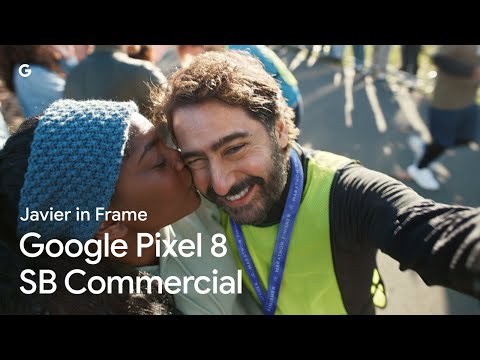
If Adam Wingard brought the epic scale, director Adam Morse brought something equally powerful: profound human connection. Morse directed "Javier in Frame," a commercial that became a landmark moment in Super Bowl advertising for its focus on accessibility.
The ad tells the story of Javier, a blind or low-vision individual, and how Google's Guided Frame feature helps him take selfies and capture photos independently. The technology uses audio cues and haptic feedback to guide the user, ensuring faces are in frame. But the commercial is not about the technology; it's about Javier's joy, his independence, and the moments he can now share with his family.
Adam Morse is known for his deeply humanistic approach to filmmaking. His background includes documentary work and narrative shorts that focus on real people and their experiences. For "Javier in Frame," he brought a documentarian's eye for authenticity. The commercial doesn't feel staged or scripted; it feels like a genuine glimpse into someone's life.
Morse's direction ensures that the focus remains on Javier's experience rather than the phone's features. We see his smile, his excitement, his connection with loved ones. The technology becomes invisible, simply a tool enabling human moments. It's a masterful approach that made the ad not just a commercial, but a powerful statement about inclusion and the role of technology in enriching lives.
The Dynamic Innovator: The Creative Team Behind "The Magic is Real"
Director: (Commercial direction with a dynamic visual style)
Watch the ad here:

The third major spot in Google's 2026 Pixel campaign takes a completely different approach. "The Magic is Real" is a rapid-fire montage designed to showcase the sheer breadth of the Pixel's AI-powered features, from Magic Editor to Gemini integration.
While a specific director isn't named in your query, the commercial's style is unmistakable: it's fast, energetic, and visually dynamic. Quick cuts, seamless transitions, and a pulsating rhythm keep the viewer engaged as feature after feature is demonstrated. This is advertising as visual spectacle, designed to impress and inform in under 60 seconds.
The direction here prioritizes clarity and excitement. Every shot is composed to highlight a specific capability, but the editing keeps the pace moving so fast that the commercial feels like a thrill ride rather than a spec sheet. It's a testament to the skill of the commercial's creative team that they can pack so much information into such a short time without ever losing the viewer's attention.
This style of direction is common in high-energy tech commercials, but when executed well—as it is here—it becomes an art form. It requires meticulous planning, precise choreography, and a deep understanding of how to use visual language to communicate complex ideas quickly and memorably.
Why Directorial Choice Matters in Advertising
The directors Google chose for these campaigns reveal a sophisticated understanding of how to sell technology in 2026:
1. Adam Wingard (Epic Scale): He brings a cinematic grandeur that elevates a family photo commercial to Super Bowl-worthy heights. His direction says: "This technology is as exciting and important as any blockbuster film."
2. Adam Morse (Human Authenticity): He brings a documentarian's eye for real moments, ensuring that the story of accessibility feels genuine and moving rather than exploitative. His direction says: "This technology exists to enrich real human lives."
3. The Dynamic Team (Visual Excitement): They bring the energy and pace needed to showcase multiple features in a short time, making the phone's capabilities feel endless and exciting. Their direction says: "This technology is powerful, versatile, and endlessly creative."
The Power of Perspective
What makes Google's 2026 Pixel campaign so effective is the diversity of perspectives behind the camera. Each director brought their unique sensibilities to their respective commercials, resulting in a campaign that feels rich, varied, and complete.
"Seeing More" makes us feel the epic scale of life's precious moments.
"Javier in Frame" makes us feel the profound joy of inclusion and independence.
"The Magic is Real" makes us feel the excitement of limitless creative possibility.
Together, they tell a comprehensive story about what the Google Pixel can do, but more importantly, they tell a story about what that technology enables: connection, independence, creativity, and joy.
The Bottom Line
The next time you watch a Google Pixel commercial and feel something—excitement, warmth, inspiration—remember that feeling is by design. It's the work of directors like Adam Wingard and Adam Morse, who bring their unique visions to the art of advertising.
Whether it's the cinematic scale of a monster movie director, the humanistic touch of a documentarian, or the dynamic energy of a top-tier commercial team, the directors behind these ads are the unseen artists shaping how we see the Pixel—and how the Pixel helps us see the world.
From capturing family moments to empowering independent photographers, Google's 2026 campaign proves that the most important thing in any photo isn't the camera. It's the person behind it, and the directors who tell their stories.
Continue reading and you can learn about How to Turn off Camera Sound on Google Pixel.
Learn how to fix GPS issues on your Google Pixel with our step-by-step guide. Get accurate location data and improve navigation on your device. Try our troubleshooting tips today.
Discover the classical song featured in the Apple MacBook Air commercial. Uncover its history and why it perfectly complements the ad's message.
Discover the identity of the dad in the Amazon Alexa 2026 family commercial. Uncover insights and details about this engaging advertisement today.
Discover the deeper meaning behind the Meta Quest 3 VR commercial. Explore themes, visuals, and messages that redefine virtual reality experiences.
Discover the identity of the girl featured in the YouTube Premium "No Ads" commercial. Uncover her story and what makes her stand out in this captivating ad.
Discover the catchy tune featured in Hulu's "Bundle & Save" ad. Uncover the song's title and artist, and learn more about its significance in the campaign.
Discover the star-studded lineup featured in Disney+'s "Coming Soon 2026" commercial. Find out who will be captivating audiences next year!
Discover the captivating song featured in Netflix's 2026 "Next on Netflix" promo ad. Uncover its artist and meaning behind the music that sets the tone.
Discover the actor featured in the Microsoft Copilot AI 2026 commercial. Uncover insights about their role and contributions to this innovative campaign.