
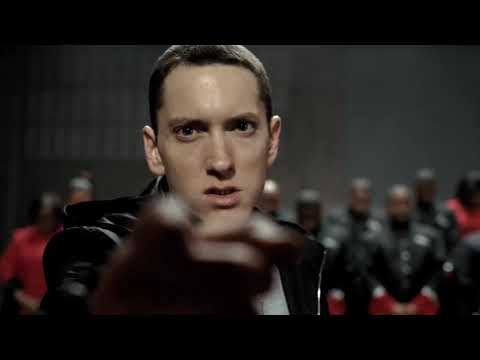
It's one of the oldest debates in marketing. Do you spend millions to put a superstar in your commercial, hoping their glow will rub off on your brand? Or do you feature real, everyday people, betting that authenticity will build deeper trust?Both approaches have produced legendary campaigns. A celebrity can make us aspire to be something more. A real customer can make us feel understood. But which strategy actually works better? The answer, like most things in advertising, is complicated. Let's dive into four iconic campaigns—two built on star power, two rooted in real human stories—and explore what makes each approach so powerful.🌟 The Power of Celebrities: When We Want to Be Someone ElseCelebrity advertising operates on a simple principle: aspiration. When we see someone we admire using a product, we want to be like them. We want their confidence, their style, their success. At its best, a celebrity endorsement doesn't just sell a product—it sells an identity.Chrysler's "Imported from Detroit" (Eminem)In 2011, Chrysler was fighting for its life. The American auto industry had been battered by the financial crisis, and Detroit was synonymous with struggle. Then came the Super Bowl, and with it, a two-minute commercial that changed everything.The celebrity: Eminem wasn't just any famous face. He was Detroit's most famous son, a global superstar who had never abandoned his roots. His very presence in the ad was a statement: this city breeds legends.The moment: The commercial is a love letter to Detroit—its grit, its beauty, its resilience. We see the city's iconic architecture, its hardworking people, its unmistakable spirit. Then Eminem drives up to the Fox Theatre, walks through its empty grandeur, and sits on the stage. He looks into the camera and delivers the now-legendary line: "This is the Motor City, and this is what we do."The ad wasn't really about a car. It was about identity. By associating Chrysler with Eminem and Detroit, the brand positioned itself as tough, authentic, and unbreakable. The celebrity wasn't just a spokesperson; he was a symbol. Sales soared, and the ad became an instant classic.Why it worked: Eminem's connection to Detroit was genuine. He wasn't a hired gun reading lines; he was the living embodiment of the city's ethos. The ad proved that the most effective celebrity endorsements are those where the star's personal story aligns perfectly with the brand's message.🔗 Watch Chrysler's "Imported from Detroit" here:

❤️ The Value of Real Customers: When We Want to See Ourselves
If celebrity ads are about who we want to be, real-customer ads are about who we actually are. They trade glamour for authenticity, aspiration for empathy. At their best, they make us feel seen and understood.
Nationwide's "Make Safe Happen" (2015)
Sometimes, the most powerful advertising is also the most uncomfortable. Nationwide's 2015 Super Bowl commercial, "Make Safe Happen," proved that real stories can cut deeper than any celebrity endorsement.
The real person: The ad featured a young boy, not a famous actor, speaking directly to the camera. "I couldn't grow up," he says, "because I died from an accident in my own home." He lists all the things he'll never do—get married, ride a bike, have kids. The message was clear: preventable household accidents are a leading cause of child death.
The reaction: The ad was devastating. It sparked immediate controversy, with many viewers calling it too dark for the Super Bowl. But it also sparked conversation. Millions of parents talked about child safety that night. Nationwide's message, however uncomfortable, was heard.
Why it worked (and why it hurt): The ad's power came from its brutal honesty. There was no celebrity filter, no softening the message. It was a real kid (an actor, but playing a role) describing a real tragedy. This wasn't about selling insurance; it was about saving lives. The commercial proved that real, emotionally honest storytelling can cut through the noise like nothing else—but it also showed the risks. Go too dark, and the audience may reject you.
🔗 Watch Nationwide's "Make Safe Happen" here:

IKEA's "IKEA Place": Putting the Customer in Control
Sometimes, the most powerful way to feature real customers is to let them star in their own stories. IKEA's "Place" app did exactly that.
The real people: IKEA didn't hire actors for this campaign. Instead, they created a tool that put ordinary people at the center of the experience. With IKEA Place, anyone could use augmented reality to visualize furniture in their actual homes.
The experience: Point your phone at your empty living room, select a sofa, and watch it appear on your screen, perfectly rendered and to scale. You could walk around it, see it from different angles, and decide if it worked in your space. The customer wasn't just watching an ad; they were creating their own design story.
Why it worked: IKEA Place understood that the most authentic story is the one we tell about ourselves. By giving customers a tool to imagine their own lives, IKEA built trust and eliminated the anxiety of furniture shopping. The brand stepped back and let real people become the heroes.
🔗 Watch IKEA Place in action here:

Which Is Best? The Answer Depends
So, after examining these four campaigns, which approach wins—celebrities or real customers?
The answer, unsatisfying as it may seem, is: it depends.
Celebrities work brilliantly when:
Their personal story aligns with the brand's message (Eminem and Detroit).
Their charisma can single-handedly revitalize a brand (Isaiah Mustafa and Old Spice).
You need to create instant recognition and cultural buzz.
Real customers work brilliantly when:
You want to build deep emotional trust (Nationwide's safety message).
You need to solve a real customer problem (IKEA's visualization tool).
Authenticity matters more than aspiration.
The most successful brands understand that these aren't competing strategies—they're different tools for different jobs. Chrysler needed a symbol of resilience; they got Eminem. Nationwide needed to deliver an uncomfortable truth; they used a child's voice.
In the end, the question isn't whether to use celebrities or real people. The question is: what story are you trying to tell, and who can tell it best?
Discover effective strategies for conducting market research to enhance your campaigns. Learn how to gather insights that drive successful marketing decisions.
Discover how visuals enhance advertising effectiveness, capturing attention and driving engagement. Explore the science behind impactful visual strategies.
Discover the art of crafting a compelling brand story that connects with your audience. Learn essential tips to elevate your brand's narrative and impact.
Discover the art of storytelling through ads shot in one take. Explore innovative techniques and captivating visuals that leave a lasting impression.
Discover innovative campaigns that harness the power of interactive storytelling to engage audiences and drive results. Explore successful examples now!
Discover how augmented reality is revolutionizing advertising and transforming marketing strategies. Explore the impact of AR on consumer engagement and brand loyalty.
Discover the intriguing world of commercials that cleverly incorporate hidden messages. Uncover the secrets behind these captivating advertisements today!
Discover the fascinating world of unique advertisements that were released only once. Explore their impact and the stories behind these rare marketing gems.
Discover the power of reverse psychology in advertising. Explore iconic ads that cleverly influenced audiences and changed marketing strategies forever.
commercials that transcended advertising to become iconic pop culture catchphrases. Explore their impact and lasting legacy
Explore fascinating ads that foresaw the future of technology. Discover how visionary marketing shaped innovations we rely on today.