

For decades, pharmaceutical advertising navigated a narrow strait. On one side lay the rigid cliffs of scientific accuracy and regulatory compliance; on the other, the deep waters of patient emotion and trust. The result was often a cautious, jargon-heavy middle ground—informative to some, impenetrable and cold to many. By 2026, however, a profound transformation was underway. Faced with a public demanding transparency, a digital ecosystem favoring clarity, and a persistent trust deficit, the pharmaceutical industry embarked on a radical shift: the strategic embrace of simplification. This movement, far from "dumbing down," represents a sophisticated re-engineering of healthcare communication to be more accessible, trustworthy, and ultimately, more effective in the modern world.
The Imperative for Clarity: Why Pharma Had to Change
The drive toward simplification was not a creative whim but a necessary response to powerful converging forces:
The Empowered, Digital-First Patient: Today's healthcare journey begins not in a doctor's office, but on a screen. Patients arrive at appointments armed with online research, much of it dense or misleading. Pharma ads that fail to provide clear, authoritative, and easily digestible information in this digital space cede influence to less reliable sources.
Bridging the Trust Deficit: The pharmaceutical industry consistently ranks low in public trust surveys. Opaque messaging, perceived high prices, and historical controversies have bred skepticism. Transparent, patient-centric communication is a critical tool for rebuilding this trust, demonstrating that companies see people, not just patients.
The Rise of the AI Intermediary: Healthcare discovery is increasingly mediated by artificial intelligence. Patients use AI-powered symptom checkers and search engines that prioritize structured, clear data. This necessitates a new marketing discipline: Answer Engine Optimization (AEO), where creating FAQ-rich, schema-marketed content is as important as traditional branding.
Regulatory Pressure as a Catalyst: While strict FDA and global regulations mandate fair balance and accuracy, they do not forbid clarity. In fact, the push for greater patient understanding aligns with regulatory goals. Simplification became the strategic method to meet compliance requirements while actually connecting with the audience.
The Pillars of the New Pharma Ad: 2026's Winning Strategies
The simplification movement is built on several interconnected strategic pillars, moving far beyond just using simpler words.
1. Jargon-Free, Patient-First Storytelling: The most visible change is linguistic. Campaigns now prioritize the patient's lived experience over the molecule's mechanism. Pfizer's 2026 "Clear Explanations" campaign is emblematic. Instead of leading with complex pathways, it used warm, animated explainer videos to frame oncology treatments in terms of "more time" and "managing life with illness." This reframes the narrative from a scientific lecture to a human story of resilience.
YouTube:
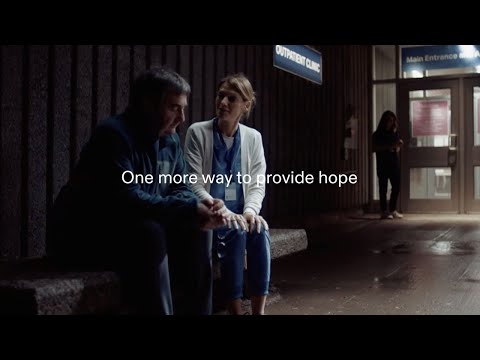
2. The Credibility of Physician-Led Narratives: To balance accessible language with medical authority, brands are putting trusted voices front and center. Roche's 2026 campaigns master this by featuring physicians speaking directly to the camera in concise, social-media-friendly formats. These aren't actors in lab coats, but practicing clinicians explaining conditions and treatments with empathy and clarity, bridging the gap between the clinic and the living room.
YouTube:

3. Architectural Transparency & Community Building: Simplification extends to business practices. Sanofi's 2026 "Community Trust" campaign explicitly addressed topics like pricing transparency and patient support programs in Europe. By openly discussing often-opaque systems, they position the brand as an ethical partner in the healthcare journey, building trust at an institutional level.
YouTube:
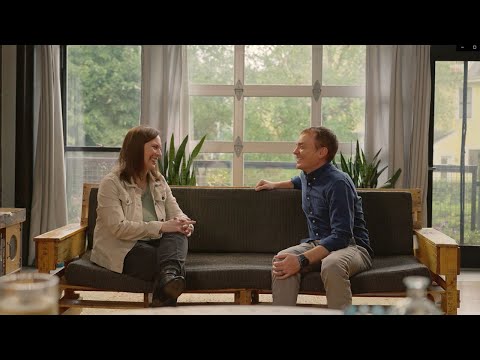
4. Family-Centered Contextualization: Some conditions affect entire ecosystems. Johnson & Johnson's narratives excel at showing how a treatment enables not just a patient, but a parent, a partner, or a grandparent to re-engage with their family role. This emotional contextualization—showing a treated patient playing with grandchildren or returning to a hobby—simplifies the value proposition to its most universal human level.
YouTube:

5. AI-Optimized, Privacy-Conscious Delivery: The technical backend of these ads is as strategic as the creative. Content is structured with schema markup so AI answer engines can accurately surface it. Crucially, all digital engagement is built on "privacy-by-design" frameworks, using HIPAA/GDPR-compliant platforms that protect patient data, turning a legal requirement into a trust signal.
The Strategic Impact of Pharmaceutical Simplification
| Jargon-Free Storytelling | Pfizer's animated explainer videos. | Reduced anxiety, improved comprehension of options. | Positions brand as patient-centric educator. |
| Physician-Led Credibility | Roche's short-form doctor-led videos. | Builds trust in information, bridges gap to HCPs. | Enhances brand authority and scientific reputation. |
| Architectural Transparency | Sanofi's pricing & support program ads. | Fosters trust in the company's motives and ethics. | Mitigates skepticism, builds institutional goodwill. |
| Family-Centered Context | Johnson & Johnson's "everyday life" narratives. | Connects treatment to tangible life goals and identity. | Creates deep emotional loyalty beyond the pill. |
| AI & Privacy-First Tech | Novartis's AEO-optimized content. | Ensures accurate info is found during digital research. | Future-proofs visibility and demonstrates responsibility. |
Analysis: Navigating the Delicate Balance
This shift, while powerful, is a high-wire act with significant risks. The foremost challenge is avoiding oversimplification. Stripping away necessary nuance about a treatment's appropriate use or potential side effects in the name of clarity can be dangerous and invite regulatory censure. The message must remain scientifically precise while being linguistically accessible.
Furthermore, the global regulatory patchwork remains a hurdle. Direct-to-consumer advertising for prescription drugs is only legal in the United States and New Zealand. This forces global brands to create parallel strategies—simplified DTC campaigns for the U.S. and more nuanced, HCP-focused or disease-awareness campaigns elsewhere, all under the same brand umbrella.
There is also a risk in the over-reliance on AI-driven visibility. If algorithms begin to preferentially surface the most-optimized content rather than the most nuanced, it could create a feedback loop that simplifies information to the point of distortion, a phenomenon known as "AI bias."
Conclusion: Simplification as the New Standard of Care
The simplification of pharmaceutical advertising in 2026 is more than a trend; it is a necessary maturation of the industry's dialogue with the public. It acknowledges that true empowerment comes not from information overload, but from information understanding. By replacing jargon with clarity, corporate facades with physician voices, and opaque systems with transparent intentions, pharma brands are doing more than selling treatments—they are building the foundational trust required for a functional modern healthcare relationship.
This movement proves that in an age of complexity, the most sophisticated strategy is often to make things simple. It sets a new standard where the measure of a successful ad is not just recall or script lifts, but the degree to which it leaves a patient feeling informed, respected, and empowered to participate in their own care. The challenge ahead is to hold this line, ensuring that the pursuit of clarity always walks hand-in-hand with unwavering scientific rigor and ethical responsibility.
Discover the full cast of the X Town Square ad, featuring diverse talents and engaging performances that bring the campaign to life. Explore now!
Discover the catchy song featured in the HP Work from Anywhere commercial. Uncover the artist and lyrics that make this ad memorable and engaging.
Discover effective strategies for conducting market research to enhance your campaigns. Learn how to gather insights that drive successful marketing decisions.

Explore the artistry behind Dior's 2026 fragrance ads. Dive into a detailed analysis of cinematic techniques and storytelling that captivate audiences.

Discover the best fitness ads of 2026 as we compare Nike and Peloton's innovative marketing strategies. Uncover what sets them apart in the fitness industry.

Discover L'Oréal's innovative skincare ads for 2026, featuring cutting-edge visuals and technology that redefine beauty marketing. Explore the future now!

Discover the latest trends in humor-driven insurance marketing for 2026. Explore success stories that showcase creativity and engagement in the industry.

Discover the top 5 most creative bank spots of the year, showcasing innovative designs and unique customer experiences that redefine banking on trust.

Discover the emotional storytelling behind Mastercard's "Priceless" Campaign 2026. Explore how moments of connection create lasting memories and value.

Discover how crypto advertising is transforming in 2026. Explore innovative rebranding strategies and the future of digital marketing in the crypto space.

Relive the magic of Saturday mornings with our nostalgic journey through classic cereal ads. Discover the charm and creativity that defined a generation.