
For a generation weaned on the glow of cathode-ray tubes, the phrase "Saturday morning" evokes a singular, potent sensory memory: the crackle of static giving way to animated theme songs, the chill of a dim living room, and the sweet, saccharine scent of milk-soaked cereal. In the 1980s and 1990s, this wasn't merely a meal; it was a cultural ritual, a weekly holiday for children, and the undisputed golden age of breakfast cereal advertising. These commercials were more than just promotional interruptions; they were masterpieces of targeted marketing that wove themselves into the very fabric of childhood, creating an indelible link between animated fantasy, aspirational identity, and sugar-coated consumption. This deep dive explores the alchemy that made these ads iconic, examining the strategies that captivated millions and the lasting legacy they imprinted on pop culture.
The Perfect Storm: Creating a Captive Cultural Audience
The success of these campaigns was not accidental. It was the result of a unique, symbiotic convergence of media, marketing, and social habit.
The Unbreakable Synergy: Saturday morning network television created a captive, hyper-focused demographic. For three to four hours, millions of children—the ultimate influencers of household grocery purchases—were glued to the screen. Cereal companies didn't just buy ad slots; they bought integrated experiences. The ads were stylistically and tonally identical to the cartoons they interrupted, creating a seamless, immersive world where the line between entertainment and advertisement was deliciously blurred.
Selling a Lifestyle, Not a Product: The genius of these ads was their focus on aspirational outcomes. They rarely, if ever, discussed nutrition, ingredients, or price. Instead, they sold a feeling. A bowl of cereal was the key to being a confident athlete like Tony the Tiger, a cunning hero who outsmarted a rabbit, or an explorer on a crunchy adventure with Cap'n Crunch. The cereal was the magical totem that unlocked fun, friendship, and fantasy.
The Power of Collective Memory: In an era before fragmented streaming, this was a shared national experience. Whether in New York or Nebraska, kids were watching the same cartoons and singing the same jingles. This created a powerful, universal pop culture language. To be a kid in America was to know that Trix were for kids and that Lucky Charms were magically delicious. This collective memory forged a generational bond that persists with remarkable strength today.
Deconstructing the Icons: The Mascot Pantheon
The era was defined by its charismatic, animated brand ambassadors—mascots who became more famous than many celebrities.
1. Tony the Tiger (Frosted Flakes): The Embodiment of Confidence
Tony was more than a mascot; he was a coach, a mentor, and an icon of peak performance. With his booming "They're Grrreat!" he didn't just describe the taste; he bestowed a powerful, positive identity onto the consumer. Ads showed kids hitting home runs, scoring goals, or simply tackling their day with gusto after a bowl of Frosted Flakes. Tony sold the promise that this cereal could make you better, stronger, and more confident—a potent message for any child.
YouTube:

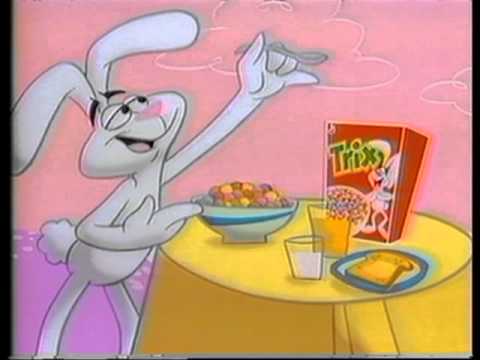
2. The Trix Rabbit: The Narrative of Coveted Desire
The Trix Rabbit's endless, futile quest was a stroke of marketing brilliance. By creating a perpetual narrative of desire and denial, the ads reinforced an "us vs. him" dynamic. The cereal was a prized possession belonging exclusively to kids. The slogan "Silly Rabbit, Trix are for Kids!" wasn't just a catchphrase; it was a mantra of empowerment and exclusivity that children delighted in repeating, solidifying their ownership of the brand.
YouTube:
3. Lucky the Leprechaun (Lucky Charms): The Gateway to Fantasy
Lucky Charms ads were mini-fantasy epics. Set in rainbow-drenched, magical glens, Lucky wasn't just selling marshmallow bits; he was selling access to an enchanted world. The "magically delicious" promise was literal in these commercials. The cereal became a portal to imagination, directly appealing to a child's sense of wonder and play.
YouTube:

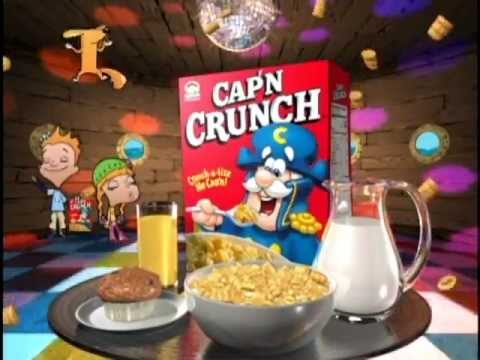
4. Cap’n Crunch: The Captain of Adventure
Cap'n Horatio Magellan Crunch commanded the S.S. Guppy with authority and whimsy. His ads were high-seas adventures, framing the act of eating cereal as a thrilling voyage. The playful, nautical jargon ("Crunchatize me, Cap'n!") and the focus on the cereal's unique texture ("It's got corn for crunch, oats for punch!") positioned breakfast as the most exciting part of the day.
YouTube:
5. Sonny the Cuckoo Bird (Cocoa Puffs): The Personification of Joy
Sonny’s manic, chocolate-fueled enthusiasm was contagious. His famous declaration, "I'm cuckoo for Cocoa Puffs!" was more than a slogan; it was a state of being. The ads equated the cereal with pure, unadulterated joy and energetic fun, mirroring the sugar-fueled exuberance it promised to deliver.
YouTube: 
The Saturday Morning Playbook: A Recipe for Success
| The Mascot | Create a charismatic, animated brand avatar. | Parasocial relationship; the mascot becomes a "friend." | Tony the Tiger, The Trix Rabbit. |
| The Slogan/Jingle | Craft a simple, repetitive, and rhythmic phrase. | Earworm effect; embeds brand in memory through sound. | "They're Grrreat!", "Silly Rabbit...". |
| The Narrative | Weave a mini-story where cereal is the hero or prize. | Engages imagination and creates ongoing anticipation. | Rabbit's heist plots; Lucky's magical escapes. |
| The Fantasy | Transport the child to an exaggerated, exciting world. | Escapism; links cereal to desirable emotions (fun, adventure). | Lucky's glen; Cap'n's ship. |
| The Call to Action | Encourage kids to repeat slogans or sing along. | Active participation reinforces brand loyalty and ownership. | "Say it with me!" |
The Legacy and The Critique
The cultural impact of these ads is immeasurable. Their catchphrases entered the lexicon, their mascots became iconic symbols recognized across generations, and they established a blueprint for lifestyle marketing to children. They proved that advertising could be a form of beloved entertainment in itself.
However, this legacy is not without its dark side. These campaigns have faced decades of criticism for promoting high-sugar diets to an impressionable audience, contributing to public health debates about childhood obesity and nutrition. The ethical questions surrounding the targeted marketing of sugary foods to children led to increased regulation, voluntary pledges by companies, and the eventual erosion of the traditional Saturday morning cartoon block, which was dismantled by the mid-2000s due to both changing viewership and regulatory pressure.
Conclusion: More Than Just Sugar and Cartoons
The classic cereal ads of the 80s and 90s represent a pinnacle of targeted, imaginative marketing. They understood their audience with uncanny precision and spoke to them in a language of pure, uncynical joy. They were not selling cereal; they were selling membership in a club, the key to an adventure, and a spoonful of magic.
Today, in an age of ad-skipping, fragmented media, and influencer sponsorships, these commercials stand as relics of a uniquely powerful mass-cultural moment. They remind us that the most effective advertising doesn't feel like advertising at all—it feels like a cherished part of growing up. For those who lived it, the echo of Tony's "Grrreat!" or the Rabbit's sigh of defeat isn't just a memory of a product; it's a direct line back to the simple, sugar-fueled magic of Saturday morning.
Discover the full cast of the X Town Square ad, featuring diverse talents and engaging performances that bring the campaign to life. Explore now!
Discover the catchy song featured in the HP Work from Anywhere commercial. Uncover the artist and lyrics that make this ad memorable and engaging.
Discover effective strategies for conducting market research to enhance your campaigns. Learn how to gather insights that drive successful marketing decisions.

Explore the nostalgia of vintage 80s tech ads and discover how early computing shaped our digital world. A trip down memory lane awaits!

Discover how Nike and Adidas leverage influencer marketing in 2026 to shape streetwear branding and connect with the youth culture.

Discover the elegance of Rolex through their latest television spots, showcasing the art of prestige and timeless craftsmanship in luxury watchmaking.

Discover the art of perfume commercials in 2026, where cinematic storytelling captivates audiences and elevates fragrance marketing to new heights.

Discover the high-octane marketing strategies of Red Bull through a visual analysis that captures their adrenaline-fueled brand essence and impact.

Discover how McDonald's leverages ASMR in their latest ads to enhance customer experience and drive engagement in the fast food industry.
Discover the best beer ads of 2026! Explore top commercials that will elevate your sports season experience and keep you entertained all year long.
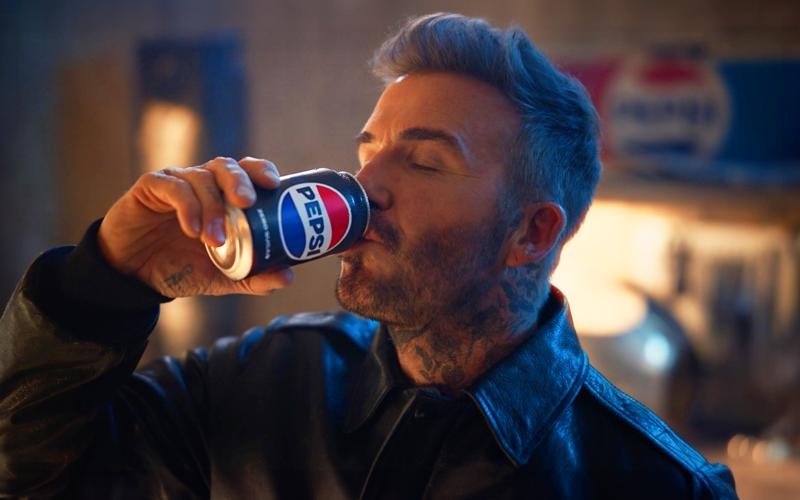
Explore the innovative strategies behind Pepsi's Global Campaign 2026. Discover creative insights and marketing tactics that drive brand engagement.