

In a beauty landscape saturated with claims of “miracle” ingredients and filtered perfection, L'Oréal Paris made a bold declaration in 2026: the future of skincare is not just in the formulation, but in the fundamental language used to communicate it. The world’s largest beauty company executed a paradigm shift, moving its skincare advertising from traditional glamour shots into a high-tech, digitally-native universe. By fusing artificial intelligence, light-based hardware, augmented reality, and globalized digital storytelling, L'Oréal didn't just launch new products—it launched a new aesthetic and philosophical framework for beauty, positioning science and technology as the ultimate catalysts of consumer trust and desire.
The Strategic Imperative: Why L'Oréal Bet on Tech
L'Oréal’s pivot was a masterclass in preemptive evolution, addressing four critical shifts in the consumer and media landscape:
The Demand for Scientific Legitimacy: Modern consumers are increasingly skeptical and informed. L'Oréal countered “clean beauty” vagueness and influencer hype with concrete, demonstrable technology. Showcasing innovations like LED light therapy at CES—the world’s premier tech stage—lent an unimpeachable credibility typically reserved for electronics giants, framing skincare as a legitimate branch of consumer health tech.
The Rise of the Digital-First, Omnichannel Journey: A consumer might discover a product via a TikTok AR filter, research it through an AI-powered visualizer on an e-commerce site, and purchase it through an Instagram shoppable post. L'Oréal’s campaigns are built as modular digital ecosystems, not linear TV spots. Every asset is designed to be sliced, reconfigured, and optimized for each platform’s unique language and user behavior.
The Personalization Paradox: Consumers crave products tailored to them but are wary of sharing personal data. L'Oréal’s tech-driven ads solved this by visualizing personalization abstractly. AI-generated, swirling nebulae of ingredients or AR filters that simulate "glass skin" results allow users to project themselves into a customized future without uploading a single photo, making bespoke beauty a private, imaginative experience.
Navigating the AI Authenticity Crisis: As brands flooded feeds with uncanny AI-generated models, L'Oréal adopted a pioneering "Responsible AI Creativity" ethos. Through initiatives like CreAItech, it used generative AI to craft stunning, otherworldly backgrounds, textures, and molecular visualizations, but steadfastly avoided creating synthetic human faces. This crucial distinction preserved the human connection at the heart of beauty while harnessing AI’s limitless potential for environment creation.
Deconstructing the Campaigns: A Tripartite Tech Strategy
1. CreAItech: The Aesthetics of Algorithmic Wonder
L'Oréal’s CreAItech initiative moved beyond using AI as a mere tool to making it the central protagonist of the campaign’s aesthetic. It generated thousands of unique, hyper-surreal visual landscapes: serums that looked like captured galaxies, creams with textures of liquid marble and light, and bioactive ingredients visualized as vibrant, pulsing ecosystems.
YouTube Reference: While a specific CreAItech film URL wasn't provided, this visual philosophy is evident in the sleek, tech-forward presentation of campaigns like the L'Oréal Excellence Crème commercial, which uses clean, lab-like aesthetics and digital precision to convey advanced care.
YouTube:
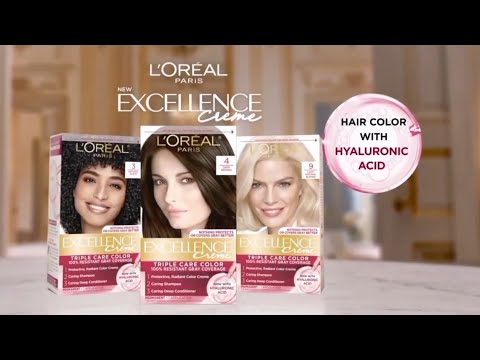
The message was clear: L'Oréal’s technology is so advanced, it exists in a realm of beauty we’ve never seen before. This wasn't about replacing artists but augmenting them, using AI to visualize the impossible and translate complex science into universal visual poetry.
2. The CES 2026 LED Mask Launch: Beauty as Hardware
L'Oréal’s presence at the Consumer Electronics Show 2026 was a strategic coup. Launching an LED Face Mask at a tech conference fundamentally re-categorized the product. Advertising for the mask blended cinematic beauty shots with the sleek, instructional tone of tech unboxing videos. The visuals juxtaposed the wearable device with resulting skin radiance, directly linking the hardware intervention to the beauty outcome.
This maneuver did more than sell a mask; it repositioned the entire L'Oréal brand. It was no longer just a cosmetics company on a pharmacy shelf but a consumer-tech innovator competing in the wellness hardware space alongside brands like Fitbit and Therabody, appealing to a tech-savvy, results-driven demographic.
3. The "Glass Skin" Campaign: Immersive Storytelling via AR
Perhaps the most consumer-facing tech integration was the "Glass Skin" campaign. This was a fully digital-first initiative built around Augmented Reality filters on TikTok and Instagram. Users could activate a filter that simulated the poreless, luminous "glass skin" effect in real-time on their own faces.
YouTube:
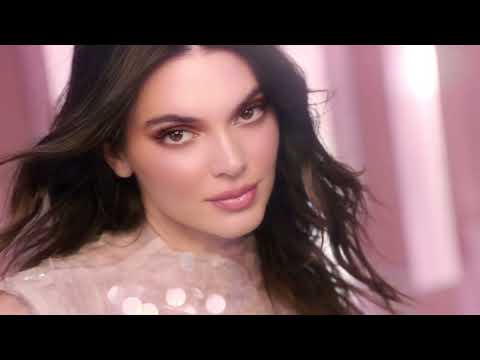
This strategy was genius in its utility and shareability. It turned advertising from a passive viewing experience into an active, playful trial. It provided immediate, personalized gratification—a "try-on" for skincare results—which is notoriously difficult to achieve. The campaign leveraged the creator economy, with influencers using the filter to demo their routines, blending authentic testimonials with L'Oréal’s proprietary tech visualization.
The L'Oréal 2026 Tech-Integration Playbook
| AI-Driven Creativity (CreAItech) | Surreal, generative visuals of formulas and textures. | Demystifies complex science; makes innovation visually spectacular. | Sets a new bar for "responsible AI" use in beauty, avoiding the deepfake dilemma. |
| Hardware as Hero (CES Launch) | Tech-expo aesthetics; product-as-device storytelling. | Positions skincare as an active, tech-powered treatment with measurable results. | Bridges beauty and consumer electronics, opening a new competitive frontier. |
| Immersive AR Try-On (Glass Skin) | Social media filters that visualize real-time results. | Provides instant, personalized gratification and demos the "promise." | Transforms static skincare advertising into interactive, user-generated content. |
| Omnichannel Modularity | Campaign assets designed to be platform-agnostic and recombinable. | Meets the consumer seamlessly at every digital touchpoint. | Rejects the "one-size-fits-all" TV spot model for a fluid, digital-native approach. |
Analysis: The Calculated Risks and Sustainable Impact
Navigating the High-Wire:
L'Oréal’s strategy was not without peril. The primary risk was "tech fatigue"—an over-reliance on cold, synthetic aesthetics that could alienate consumers seeking warmth and human connection. The brand mitigated this by ensuring real human models and emotional storytelling remained at the core, using tech as the setting, not the star. Secondly, the sustainability messaging woven into campaigns like Brandstorm 2026 required tangible, behind-the-scenes action to avoid accusations of greenwashing. The high-tech narrative raised expectations for corporate transparency.
The Enduring Legacy:
L'Oréal’s 2026 campaigns did more than drive sales; they redefined category codes. They successfully argued that in the 21st century, the most authentic beauty claim is a technological one. They shifted consumer perception from seeing skincare as a superficial cosmetic to viewing it as a performance-driven, innovative wellness practice. Furthermore, by pioneering "Responsible AI Creativity," L'Oréal provided an ethical blueprint for an industry grappling with generative AI’s implications, proving that brands can harness the technology’s power without compromising human authenticity.
Conclusion: The New Face of Beauty is a Filter, a LED, and an Algorithm
L'Oréal’s 2026 skincare advertising marked a decisive moment where beauty marketing fully merged with the digital zeitgeist. It demonstrated that to remain the industry leader, a brand must lead not just in chemistry, but in computer science, digital experience design, and ethical technology adoption. By making AI its canvas, AR its mirror, and consumer hardware its newest product category, L'Oréal masterfully communicated that the future of beauty is personalized, powerful, and profoundly technological. In doing so, it ensured its most important product remained timeless: the trust of a consumer who now believes that the most beautiful promise a brand can make is one built on provable, pioneering science.
Discover the catchy song featured in the new L'Oréal True Match 2026 commercial. Uncover the artist and lyrics that are captivating audiences everywhere.

Discover the latest trends in humor-driven insurance marketing for 2026. Explore success stories that showcase creativity and engagement in the industry.

Discover the top 5 most creative bank spots of the year, showcasing innovative designs and unique customer experiences that redefine banking on trust.

Discover the emotional storytelling behind Mastercard's "Priceless" Campaign 2026. Explore how moments of connection create lasting memories and value.

Discover how crypto advertising is transforming in 2026. Explore innovative rebranding strategies and the future of digital marketing in the crypto space.
Relive the magic of Saturday mornings with our nostalgic journey through classic cereal ads. Discover the charm and creativity that defined a generation.

Explore the nostalgia of vintage 80s tech ads and discover how early computing shaped our digital world. A trip down memory lane awaits!

Discover how Nike and Adidas leverage influencer marketing in 2026 to shape streetwear branding and connect with the youth culture.

Discover the elegance of Rolex through their latest television spots, showcasing the art of prestige and timeless craftsmanship in luxury watchmaking.