
Advertising doesn't just sell products—it often shapes culture. Some commercials transcend their original purpose, embedding themselves into everyday language through unforgettable catchphrases. These phrases become part of pop culture, quoted in conversations, referenced in movies, and shared across generations. They represent those rare moments when marketing intersects with linguistics, creating a cultural shorthand that often outlives the campaigns themselves.
This article explores the phenomenon of commercials that became pop culture phrases, examining why they resonate so powerfully, showcasing iconic examples from different eras, and analyzing how they continue to influence advertising strategy today. Through psychological insights and cultural context, we'll understand why some phrases stick while others fade away.
Why Advertising Slogans Work: The Science of Stickiness
The journey from advertising slogan to cultural lexicon isn't accidental. It follows specific psychological and marketing principles that make certain phrases "sticky":
Memorability: Short, rhythmic, and often alliterative lines are cognitively easier to encode and recall. The brain prefers simple patterns, making phrases like "Just Do It" or "I'm Lovin' It" effortlessly memorable.
Emotional Connection: Effective catchphrases tap into universal emotions—humor ("Whassup?"), aspiration ("A Diamond Is Forever"), satisfaction ("I'm Lovin' It"), or communal identity. This emotional charge makes them worth sharing.
Viral Potential: In the pre-social media era, catchphrases spread through water-cooler conversations and television references. Today, they're amplified through memes, hashtags, and user-generated content, achieving exponential reach.
Cultural Integration: The most successful phrases fill a gap in the language or perfectly capture a cultural moment. They become useful expressions that people adopt because they communicate an idea more effectively than existing language.
Brand Identity Fusion: A strong catchphrase doesn't just promote a product; it defines the brand's personality. It becomes inseparable from the brand's identity, carrying equity that can last for decades.
Iconic Commercials That Became Cultural Catchphrases
1. Wendy’s – “Where’s the Beef?” (1984)
This campaign, featuring sharp-tongued Clara Peller, was a direct shot at competitors' burger sizes. The phrase tapped into universal consumer skepticism about value.
Cultural Impact: It exploded beyond fast food. During the 1984 Democratic primaries, Walter Mondale famously used it to question rival Gary Hart's political substance. It became a universal metaphor for demanding the core, valuable part of anything—from business plans to relationships.
Why It Stuck: It was humorous, confrontational, and perfectly encapsulated a relatable feeling of being short-changed.
YouTube Link:
 Watch YouTube video

2. Nike – “Just Do It” (1988)
Created by Dan Wieden, the slogan was reportedly inspired by the last words of a convicted murderer. Nike transformed it into a universal call to action.
Cultural Impact: It transcended sports marketing to become a motivational mantra for any life challenge. It's used by coaches, therapists, and influencers. The phrase embodies the American spirit of individualism and determination.
Why It Stuck: Its genius lies in its ambiguity and empowerment. It doesn't specify what to do, making it applicable to countless situations, from running a marathon to starting a business.
YouTube Link:
Watch YouTube video
3. Budweiser – “Whassup?” (1999)
A group of friends greet each other with an exaggerated "Whassuuuup?" over the phone. The ad was a masterclass in relatable, absurd humor.
Cultural Impact: It became the definitive greeting of 1999-2001. It was parodied on Saturday Night Live, The Simpsons, and Scary Movie. People answered phones with it. It captured the zeitgeist of casual, slacker camaraderie.
Why It Stuck: It was less about beer and more about friendship and shared ritual. The humor was infectious and perfectly mimicked real, silly interactions between friends.
YouTube Link:
Watch YouTube video

4. De Beers – “A Diamond Is Forever” (1947)
Perhaps the most influential slogan ever written, it single-handedly created the modern diamond engagement ring tradition.
Cultural Impact: It didn't just sell diamonds; it rewrote a social script. It linked diamonds irrevocably with eternal love and commitment, making them a near-mandatory symbol for marriage in Western cultures.
Why It Stuck: It connected a product (a hard carbon crystal) to the most powerful human emotions: love, eternity, and security. It presented not a feature, but an unassailable truth.
YouTube Link:
Watch YouTube video
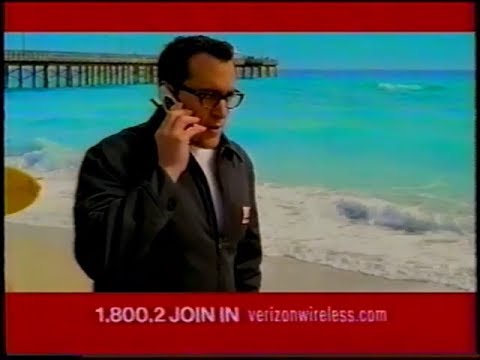
5. Verizon – “Can You Hear Me Now?” (2002)
Actor Paul Marcarelli, as the "Test Man," traveled the nation testing Verizon's network reliability, uttering the phrase incessantly.
Cultural Impact: It became the universal punchline for any situation with poor communication—dropped calls, bad Zoom connections, or even someone not listening. It entered the language as a symbol of reliability (or the lack thereof).
Why It Stuck: It was based on a genuine, widespread consumer pain point. The repetitive, simple question was instantly recognizable and applicable to countless frustrating modern situations.
YouTube Link:
Watch YouTube video
6. McDonald’s – “I’m Lovin’ It” (2003)
Launched with a massive campaign featuring Justin Timberlake, this was a global branding overhaul for McDonald's.
Cultural Impact: More than a slogan, it became a grammatical construct. People adopted the phrase's present-continuous, dropped-g structure ("I'm lovin' this song!") to express real-time enjoyment. It normalized a specific, casual form of expression.
Why It Stuck: Its melody was infectious, its sentiment was positive and simple, and it focused on the feeling (love) rather than just the food.
YouTube Link:
Watch YouTube video
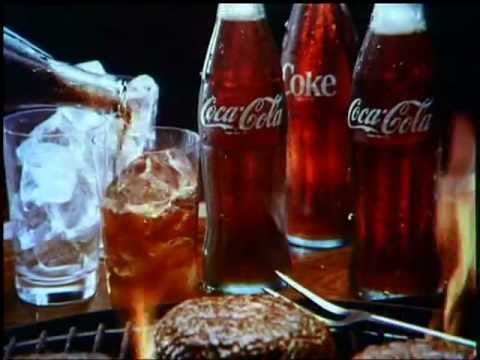
7. Coca-Cola – “It’s the Real Thing” (1971)
In a moment of growing competition, especially with Pepsi, this slogan affirmed Coca-Cola's authenticity and original status.
Cultural Impact: The phrase filtered into culture as a way to affirm the authenticity of anything, from feelings to artisanal products. It reinforced the idea of Coca-Cola not as a soda, but as a genuine, historical icon.
Why It Stuck: It played on the universal desire for authenticity and originality in an increasingly commercial world. It was a statement of confidence and cultural rootedness.
YouTube Link:
Watch YouTube video
The Modern Landscape: Can Cultural Slogans Still Be Created?
In today's fragmented media landscape, creating a unifying cultural catchphrase is more challenging but not impossible. The rules have evolved:
From Monologue to Dialogue: Modern phrases often emerge from audience interaction. Think of Apple's "Shot on iPhone" campaign theme—it's one that users co-create.
Meme-ability is Key: For a phrase to spread today, it must be easily adaptable into memes, GIFs, and short-form video templates.
Speed vs. Longevity: Phrases can trend faster on TikTok (e.g., Amazon's "Alexa, play Despacito") but may have shorter lifespans than classic 80s/90s slogans.
Demand for Authenticity: Today's audiences are skeptical. A forced catchphrase will be mocked. It must feel organic to the brand and the culture, like Dove's "Real Beauty" campaign, which sparked a conversation rather than just providing a quotable line.
The Risks and Enduring Power
The path isn't without peril. Overuse can lead to annoyance ("Can you hear me now?" eventually became grating). Cultural shifts can render phrases outdated or insensitive. Competitors may also mimic successful styles, diluting impact.
Yet, the power remains. A true cultural slogan does the ultimate marketing work: it turns customers into brand ambassadors who freely spread your message through their own speech. It represents the highest achievement in advertising—not just shaping consumer choice, but shaping culture itself. In 2026, as brands battle for attention in an overcrowded digital space, the quest to create the next phrase that leaps from the screen into our daily conversations continues to be advertising's most compelling and difficult challenge.
Discover effective strategies for conducting market research to enhance your campaigns. Learn how to gather insights that drive successful marketing decisions.
Discover how visuals enhance advertising effectiveness, capturing attention and driving engagement. Explore the science behind impactful visual strategies.
Discover the art of crafting a compelling brand story that connects with your audience. Learn essential tips to elevate your brand's narrative and impact.

Explore ads that foresaw technological advancements, showcasing visionary marketing that predicted the future of tech. Discover the power of advertising today.
Discover the unique intersection of film and advertising as we explore directors who starred in their own commercials. Uncover their creative genius today!
Discover the iconic singers who have graced memorable ads. Explore their impact on marketing and how music enhances brand storytelling.
Discover how GoPro transformed its customers into passionate creators, fostering a vibrant community that shares stunning adventures and inspiring content.
Discover how Ben & Jerry’s champions social justice through impactful campaigns. Join the movement for equality and learn about their initiatives today.
Discover how LEGO ads spark creativity and inspire imaginative play, transforming simple bricks into limitless possibilities for builders of all ages.
Discover the most memorable commercials that cleverly broke the fourth wall, engaging viewers in unique ways. Explore creativity in advertising today!

Discover how quiet campaigns influence public perception and drive change without the noise. Explore their effectiveness and strategies