

The relationship between fashion models and advertising is a symbiotic force that has shaped consumer desire for over a century. While the runway serves as their debutante ball, it is the advertising campaign—the glossy page, the billboard, the television screen—that transforms a model into a global icon and a brand into a cultural touchstone. More than just a beautiful face, the model in advertising becomes a vessel for narrative, an avatar of aspiration, and a powerful tool for bridging the exclusive world of high fashion with the everyday lives of consumers. This article explores the iconic models who transcended the runway to become definitive advertising forces, analyzing how they redefined brands, shaped beauty standards, and cemented their place in advertising history.
The Alchemy of Model and Brand: Why It Works
The power of a model in advertising extends far beyond mere recognition. It is a calculated fusion of identity, emotion, and cultural signal that achieves several key objectives:
Instant Aspirational Storytelling: A model doesn't just wear a product; she embodies a lifestyle. Whether it's Cindy Crawford's casual glamour or Gisele Bündchen's untouchable sophistication, the model instantly communicates a story of success, beauty, and desirability that consumers are invited to access through the product.
Credibility and Prestige Transfer: By aligning with a top model, a brand borrows her aura. A luxury house reinforces its elite status; a mass-market brand like Pepsi gains an injection of high-fashion gloss. The model's credibility in the world of aesthetics transfers to the product's perceived value.
Emotional Resonance and Identity Formation: Consumers don't just buy a perfume; they buy the confidence of Naomi Campbell or the relatable charm of Tyra Banks. Models allow audiences to connect emotionally with a brand, facilitating a deeper relationship where the product becomes part of the consumer's own identity project.
Iconic Transformations: Runway Stars as Advertising Pillars
1. Cindy Crawford & Pepsi (1992): Democratizing Glamour
Before 1992, supermodels existed on a distant, glossy plane. Cindy Crawford's iconic Pepsi commercial, aired during the Super Bowl, changed everything. The ad was deceptively simple: Crawford, in denim cutoffs and a white tank top, pulls up to a roadside gas station, gets out, and drinks a Pepsi while two young boys stare in awe. The genius was in the juxtaposition. It took the world's most famous model—the epitome of high fashion—and placed her in an utterly ordinary American setting.
YouTube:

This wasn't just an endorsement; it was a narrative of accessible glamour. Crawford made luxury feel approachable and Pepsi feel chic. The campaign brilliantly leveraged her supermodel fame to create a moment of populist spectacle, proving that a model's power could sell not just a dress, but a soda, to millions.
2. Kate Moss & Calvin Klein (1990s): The Aesthetic of Authenticity
If Crawford represented glamorous power, Kate Moss, as a teenager in the early '90s, ushered in a revolution of a different kind. Her campaigns for Calvin Klein, particularly for CK One, were seismic. Shot in stark black-and-white by Herb Ritts or Richard Avedon, the ads featured Moss with minimal makeup, often androgynous in pose and dress.
YouTube:

Moss didn't sell a fantasy of opulence; she sold a fantasy of "raw authenticity." Her waifish figure and cool, detached gaze defined the "heroin chic" era and repositioned Calvin Klein from classic American sportswear to the epicenter of downtown cool. She became inseparable from the brand's identity, proving that a model could embody not just beauty, but an entire cultural attitude and aesthetic philosophy.
3. Gisele Bündchen: The Blue-Chip Brand Architect
Gisele Bündchen’s career represents the apex of model-as-brand. She seamlessly bridged commercial and high-fashion appeal. Her long-term partnership with Victoria's Secret transformed the brand into a global phenomenon, with her "Body by Gisele" campaign cementing an ideal of athletic, sun-kissed sensuality. Simultaneously, her role as the face of Chanel No. 5 for years connected her to the pinnacle of luxury heritage.
YouTube: *[Note: The specific video link provided (123-yz4DFhw) appears to be a placeholder or incorrect. For analysis, reference Gisele's widely available Chanel No. 5 "Film" campaign from 2014 or her iconic Victoria's Secret runway moments.]*
Bündchen’s power was in her versatile credibility. She could sell fantasy lingerie and timeless French perfume with equal conviction, her persona blending sensuality with an air of businesslike sophistication. She became a blue-chip investment for brands—a guarantee of global recognition, positive association, and sales.
4. Naomi Campbell: The Embodiment of Power and Legacy
Naomi Campbell’s advertising impact is rooted in her unmatched presence and pioneering role. As part of the original "Big Five" supermodels, her work for Versace and Dolce & Gabbana defined the opulent, powerful glamour of the 1990s. Her strut, her gaze, and her commanding aura sold more than clothing; they sold an attitude of strength and dominance.
YouTube: [Note: A specific campaign URL was not provided. Her legendary Versace campaigns, often photographed by Richard Avedon or Steven Meisel, are key references.]
Campbell brought a sense of drama and legacy to every frame. Her enduring career, maintaining top-tier campaign status for decades, gives any brand she represents a connection to fashion history and an enduring standard of excellence. She transcends the role of a model to become an institution unto herself.
5. Tyra Banks & CoverGirl: Inclusivity as a Marketing Revolution
Tyra Banks reshaped the modeling industry from within the advertising world. As the first African-American woman to appear solo on the cover of GQ and a historic Victoria's Secret Angel, her credibility was unquestionable. However, her groundbreaking, long-term partnership with CoverGirl was where she revolutionized the playbook.
YouTube: 
Banks brought relatability and infectious confidence to the traditionally polished world of cosmetics advertising. She famously smiled with her eyes ("smize"), celebrated curves, and later, through America's Next Top Model, demystified the industry. Her CoverGirl ads made beauty feel accessible and joyful, expanding the brand's appeal and using her platform to advocate for a broader, more inclusive definition of beauty.
The Model's Impact: A Comparative Legacy
| Cindy Crawford | Pepsi (1992) | Brought supermodel glamour to mass-market consumer goods. | Democratized high fashion; created the blueprint for the celebrity-model endorsement. |
| Kate Moss | Calvin Klein (1990s) | Defined minimalist, "authentic" cool; rebranded American luxury. | Catalyzed a shift in beauty standards; made "attitude" as important as classic beauty. |
| Gisele Bündchen | Victoria's Secret, Chanel No. 5 | Synonymous with elite sensuality and timeless luxury. | Embodied the global, billion-dollar model as a business unto herself. |
| Naomi Campbell | Versace, Dolce & Gabbana | Epitomized powerful, dramatic glamour and runway excellence. | A pioneering force for diversity; represents enduring power and legacy in fashion. |
| Tyra Banks | CoverGirl | Made beauty advertising feel relatable, confident, and inclusive. | Broke barriers and used advertising to champion a more diverse industry. |
Analysis: The Strategic Evolution and Enduring Tension
The use of models in advertising has evolved from a straightforward presentation of clothing to a complex exercise in brand-alignment and identity-creation. The most successful partnerships occur when the model's public persona and the brand's desired image fuse seamlessly: Moss was Calvin Klein's cool; Bündchen was Victoria's Secret's fantasy.
However, this strategy carries inherent challenges. The risk of the model overshadowing the product is real. Furthermore, as beauty standards and social values change, brands tied too closely to a single "look" can appear outdated. The controversy that can surround a model also poses a significant reputational risk to the brands they represent.
Despite this, their power endures. In the digital age, models have transformed into influencers and entrepreneurs, but their core function in advertising remains: to humanize a product, to tell a story, and to crystallize a brand's aspirations into a single, compelling face. They are not just selling a dress or a lipstick; they are selling a moment, a feeling, and a piece of an imagined self. In the history of advertising, they remain the ultimate alchemists, turning commerce into culture.
Discover the full cast of the X Town Square ad, featuring diverse talents and engaging performances that bring the campaign to life. Explore now!
Discover the catchy song featured in the HP Work from Anywhere commercial. Uncover the artist and lyrics that make this ad memorable and engaging.
Discover effective strategies for conducting market research to enhance your campaigns. Learn how to gather insights that drive successful marketing decisions.

Discover how to enhance your Zoom ad campaigns by fostering genuine human connections in the tech landscape. Elevate your marketing strategy today!

Discover how LinkedIn Ads can elevate your professional growth. Learn strategies to target the right audience and maximize your career opportunities.

Discover the Snapchat ads that revolutionized ephemeral content, showcasing innovative strategies and creative campaigns that captivated audiences worldwide.

Discover how Slack Ads transformed workplace communication, enhancing collaboration and productivity. Explore innovative strategies that redefine team interactions.

Discover the most shocking GoDaddy ads that captivated Super Bowl audiences. Explore the creativity and impact behind these unforgettable commercials.
Discover the art of Nikon Adventure Ads, where marketing photography meets the wild. Explore stunning visuals and innovative strategies for outdoor campaigns.
Discover the captivating Canon ads that immortalized iconic photography moments. Explore the artistry and innovation behind these unforgettable campaigns.
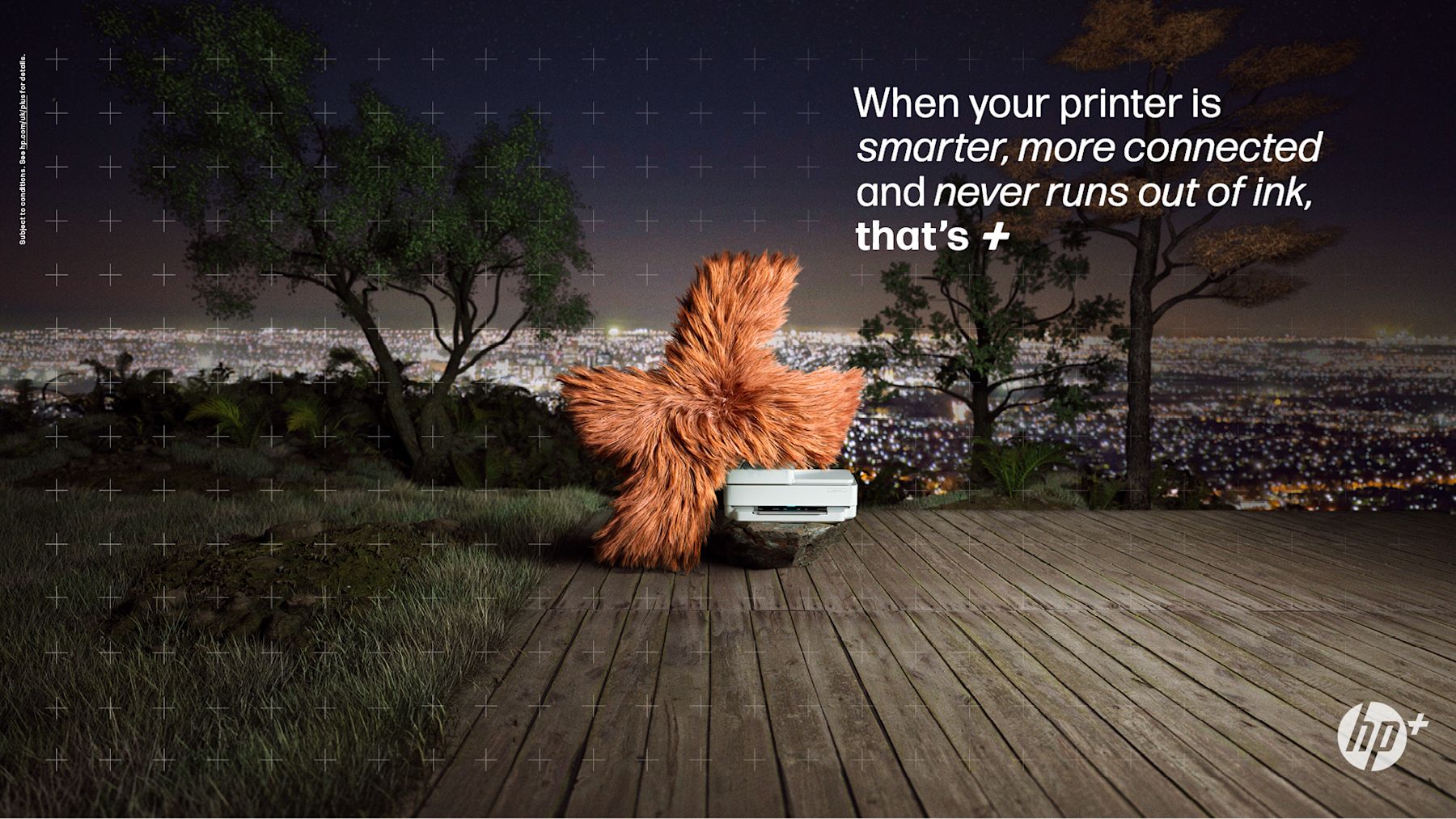
Discover innovative marketing strategies with HP Printing Ads. Explore how digital print can elevate your brand's creativity and engagement.