

In the elusive world of fragrance, where the core product is invisible and experienced subjectively, advertising must perform a kind of alchemy. It must translate scent into sentiment, bottle into story, and essence into emotion. For decades, Dior has been the undisputed maestro of this art form, but in 2026, under the subtle yet profound influence of creative director Jonathan Anderson, the house elevated its fragrance campaigns from mere commercials to pure cinema. This was not about bigger budgets or more special effects; it was a philosophical shift toward restraint, narrative depth, and auteur-driven vision, transforming each ad into a cultural artifact that speaks as much about identity and desire as it does about the perfume itself.
The Cinematic Ethos: Crafting Atmosphere from the Intangible
Dior’s approach is born from a fundamental challenge: how do you market something you cannot see? The answer lies in creating a complete, immersive world that the fragrance implicitly inhabits. This cinematic language is built on distinct pillars:
Narrative Over Demonstration: A Dior fragrance ad in 2026 is, first and foremost, a short story. It forsakes the traditional structure of "problem-scent-solution" for a poetic vignette that evokes a mood—be it romantic yearning, untamed freedom, or sleek sophistication. The perfume is the invisible protagonist, its presence felt in every glance, every landscape, every note of the score.
The "Quiet Attentiveness" of Anderson's Dior: A decisive shift from previous eras is the move away from bombastic spectacle toward restrained elegance. Inspired by Anderson's sensibilities, the 2026 campaigns favor subtle pacing, lingering close-ups, and compositions that breathe. This quietness is not passive; it is intensely attentive, inviting the viewer to lean in and project their own emotions onto the narrative, making the experience personal and intimate.
Casting as Conceptual Archetype: Dior’s choice of ambassadors is a narrative device in itself. Each celebrity is not merely a famous face but an embodiment of an emotional archetype. Natalie Portman is the intelligent, ethereal romance of Miss Dior; Johnny Depp is the untamed, enigmatic spirit of Sauvage; Rihanna is the self-possessed, glamorous fantasy of J’Adore. Their off-screen personas bleed into the roles, adding layers of cultural meaning.
Auteur Collaboration: By partnering with acclaimed cinematographers like Benoît Delhomme and directors like Matteo Garrone, Dior imports a full French cinematic sensibility. The focus is on light, texture, and composition—treating the 60-second spot with the same artistic rigor as a feature film. This legitimizes the ad as art, not just commerce.
Deconstructing the Masterpieces: A Campaign Portfolio
1. Miss Dior – Natalie Portman: The Poetry of Romance
The 2026 Miss Dior campaign is a study in soft power. Featuring Natalie Portman in diaphanous gowns within lush, sun-dappled gardens and elegant interiors, the film is a visual sonnet. The cinematography uses soft focus and natural light to create an atmosphere of tender intimacy and dreamlike elegance.
YouTube:
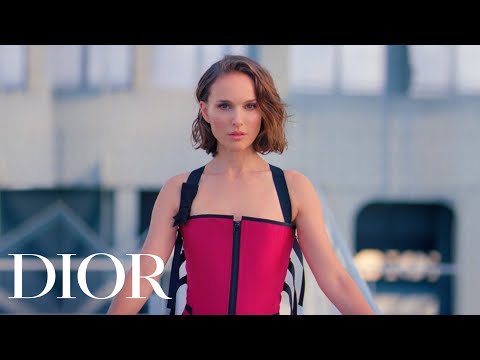
Portman’s portrayal moves beyond mere beauty; she conveys a sense of quiet strength and contemplative romance. The campaign doesn’t sell a floral fragrance; it sells the feeling of a cherished, private moment of self-assured femininity, continuing a decades-long narrative that equates Miss Dior with empowered grace.
2. J’Adore – Rihanna: The Surrealist Fantasy
In stark contrast, the J’Adore campaign starring Rihanna is a plunge into high-gloss surrealism. It is a dreamscape of liquid gold, reflective surfaces, and avant-garde fashion. Rihanna, an icon of autonomous glamour, moves through these spaces not as an actor in a scene, but as a goddess in her domain.
YouTube:

The campaign’s genius is its abstraction. It makes no literal sense, and it doesn’t need to. It translates the opulence, confidence, and radiant warmth of the J’Adore scent into a pure visual and emotional experience, positioning the fragrance as an accessory to a fantastical, self-created world.
3. Sauvage – Johnny Depp: The Myth of Untamed Space
The Sauvage narrative remains one of the most distinct in modern perfumery. The 2026 iteration again features Johnny Depp, a figure whose personal mythology aligns perfectly with the fragrance's ethos. Set against vast, rugged desert landscapes under immense skies, the campaign is an ode to raw, elemental freedom.
YouTube:
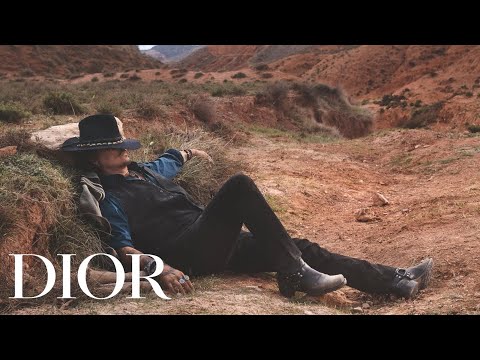
The cinematography is expansive and dramatic, emphasizing isolation and introspection. Despite off-screen controversies, Depp’s on-screen persona—the timeless, slightly worn outsider—cements Sauvage’s identity as a fragrance for the man who answers to no horizon but his own.
4. Dior Homme: The Intimacy of Monochrome
Embracing the overarching trend toward minimalism, the Dior Homme campaign is an exercise in restrained sophistication. Shot in stark, elegant black and white, it focuses on subtle gestures, intimate glances, and the precise architecture of a suit or a jawline.
YouTube:
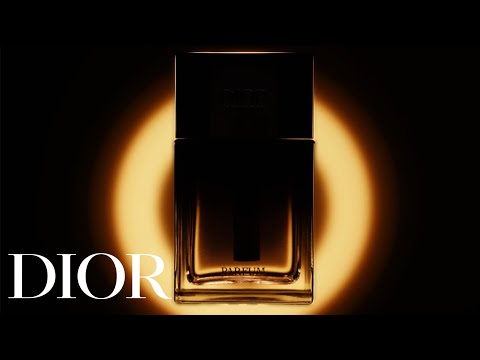
This is Anderson’s influence at its most clear: a rejection of noise in favor of essence. The ad sells an idea of modern masculinity that is confident, subtle, and defined by an understated power that needs no explanation.
5. Les Fantômes du Cinéma – Directed by Matteo Garrone: This campaign for Dior Cruise transcends perfume advertising entirely. Directed by the celebrated Italian auteur Matteo Garrone (Gomorrah, Tale of Tales), it is a piece of pure art-house surrealism.
YouTube:
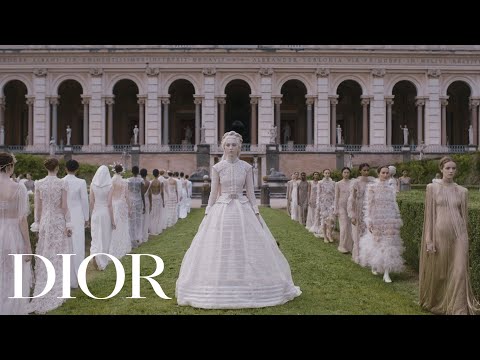
Featuring enigmatic narratives and haunting visuals, it positions Dior not just as a fashion house, but as a patron of contemporary cinema and high art. This is brand-building at its most ambitious, leveraging cultural capital to elevate the entire Dior universe.
In the elusive world of fragrance, where the core product is invisible and experienced subjectively, advertising must perform a kind of alchemy. It must translate scent into sentiment, bottle into story, and essence into emotion. For decades, Dior has been the undisputed maestro of this art form, but in 2026, under the subtle yet profound influence of creative director Jonathan Anderson, the house elevated its fragrance campaigns from mere commercials to pure cinema. This was not about bigger budgets or more special effects; it was a philosophical shift toward restraint, narrative depth, and auteur-driven vision, transforming each ad into a cultural artifact that speaks as much about identity and desire as it does about the perfume itself.
The Cinematic Ethos: Crafting Atmosphere from the Intangible
Dior’s approach is born from a fundamental challenge: how do you market something you cannot see? The answer lies in creating a complete, immersive world that the fragrance implicitly inhabits. This cinematic language is built on distinct pillars:
Narrative Over Demonstration: A Dior fragrance ad in 2026 is, first and foremost, a short story. It forsakes the traditional structure of "problem-scent-solution" for a poetic vignette that evokes a mood—be it romantic yearning, untamed freedom, or sleek sophistication. The perfume is the invisible protagonist, its presence felt in every glance, every landscape, every note of the score.
The "Quiet Attentiveness" of Anderson's Dior: A decisive shift from previous eras is the move away from bombastic spectacle toward restrained elegance. Inspired by Anderson's sensibilities, the 2026 campaigns favor subtle pacing, lingering close-ups, and compositions that breathe. This quietness is not passive; it is intensely attentive, inviting the viewer to lean in and project their own emotions onto the narrative, making the experience personal and intimate.
Casting as Conceptual Archetype: Dior’s choice of ambassadors is a narrative device in itself. Each celebrity is not merely a famous face but an embodiment of an emotional archetype. Natalie Portman is the intelligent, ethereal romance of Miss Dior; Johnny Depp is the untamed, enigmatic spirit of Sauvage; Rihanna is the self-possessed, glamorous fantasy of J’Adore. Their off-screen personas bleed into the roles, adding layers of cultural meaning.
Auteur Collaboration: By partnering with acclaimed cinematographers like Benoît Delhomme and directors like Matteo Garrone, Dior imports a full French cinematic sensibility. The focus is on light, texture, and composition—treating the 60-second spot with the same artistic rigor as a feature film. This legitimizes the ad as art, not just commerce.
Deconstructing the Masterpieces: A Campaign Portfolio
1. Miss Dior – Natalie Portman: The Poetry of Romance
The 2026 Miss Dior campaign is a study in soft power. Featuring Natalie Portman in diaphanous gowns within lush, sun-dappled gardens and elegant interiors, the film is a visual sonnet. The cinematography uses soft focus and natural light to create an atmosphere of tender intimacy and dreamlike elegance.
YouTube:
Portman’s portrayal moves beyond mere beauty; she conveys a sense of quiet strength and contemplative romance. The campaign doesn’t sell a floral fragrance; it sells the feeling of a cherished, private moment of self-assured femininity, continuing a decades-long narrative that equates Miss Dior with empowered grace.
2. J’Adore – Rihanna: The Surrealist Fantasy
In stark contrast, the J’Adore campaign starring Rihanna is a plunge into high-gloss surrealism. It is a dreamscape of liquid gold, reflective surfaces, and avant-garde fashion. Rihanna, an icon of autonomous glamour, moves through these spaces not as an actor in a scene, but as a goddess in her domain.
YouTube:
The campaign’s genius is its abstraction. It makes no literal sense, and it doesn’t need to. It translates the opulence, confidence, and radiant warmth of the J’Adore scent into a pure visual and emotional experience, positioning the fragrance as an accessory to a fantastical, self-created world.
3. Sauvage – Johnny Depp: The Myth of Untamed Space
The Sauvage narrative remains one of the most distinct in modern perfumery. The 2026 iteration again features Johnny Depp, a figure whose personal mythology aligns perfectly with the fragrance's ethos. Set against vast, rugged desert landscapes under immense skies, the campaign is an ode to raw, elemental freedom.
YouTube:
The cinematography is expansive and dramatic, emphasizing isolation and introspection. Despite off-screen controversies, Depp’s on-screen persona—the timeless, slightly worn outsider—cements Sauvage’s identity as a fragrance for the man who answers to no horizon but his own.
4. Dior Homme: The Intimacy of Monochrome
Embracing the overarching trend toward minimalism, the Dior Homme campaign is an exercise in restrained sophistication. Shot in stark, elegant black and white, it focuses on subtle gestures, intimate glances, and the precise architecture of a suit or a jawline.
YouTube:
This is Anderson’s influence at its most clear: a rejection of noise in favor of essence. The ad sells an idea of modern masculinity that is confident, subtle, and defined by an understated power that needs no explanation.
5. Les Fantômes du Cinéma – Directed by Matteo Garrone: This campaign for Dior Cruise transcends perfume advertising entirely. Directed by the celebrated Italian auteur Matteo Garrone (Gomorrah, Tale of Tales), it is a piece of pure art-house surrealism.
YouTube:
Featuring enigmatic narratives and haunting visuals, it positions Dior not just as a fashion house, but as a patron of contemporary cinema and high art. This is brand-building at its most ambitious, leveraging cultural capital to elevate the entire Dior universe.
The Dior Fragrance Universe: A Cinematic Blueprint
| Miss Dior | Romantic Poetic Vignette | Natalie Portman (Intelligent Grace) | Empowered Romance, Tender Intimacy | Soft light, natural settings, ethereal movement. |
| J’Adore | Surrealist Glamour Fantasy | Rihanna (Autonomous Icon) | Opulent Fantasy, Self-Possessed Radiance | High-gloss, liquid gold, avant-garde fashion. |
| Sauvage | Epic Landscape Mythos | Johnny Depp (Eternal Outsider) | Primal Freedom, Rugged Introspection | Expansive deserts, dramatic skies, raw texture. |
| Dior Homme | Minimalist Intimacy Study | (Model-led) | Understated Power, Sophisticated Reserve | Monochrome, close-ups, architectural composition. |
| Les Fantômes... | Art-House Surrealism | (Actor Ensemble) | Cultural Depth, Mysterious Narrative | Haunting, symbolic, director-driven aesthetic. |
Strategic Analysis: The Rewards and Risks of High Art
The Impact: Why It Works
Dior’s strategy masterfully serves multiple goals. It elevates brand perception, aligning perfume with the prestige of cinema and fine art. It creates deep emotional resonance by tapping into universal archetypes (the lover, the rebel, the icon). Furthermore, its digital-first, platform-optimized distribution—releasing a full short film on YouTube then slicing it into evocative snippets for TikTok and Instagram—ensures this high art achieves global, viral reach.
Navigating the Perfume Paradox:
However, this high-wire act carries inherent risks. The primary danger is abstraction alienating the audience. A narrative too obscure or minimalist can fail to create any tangible connection to the scent, leaving viewers puzzled. There is also a precarious dependence on celebrity. If the star’s public persona falters (a risk palpable in the Sauvage campaigns), it can directly stain the fragrance’s image. Finally, the pursuit of restraint must carefully balance with maintaining the dreamlike immersion and escapism that is the lifeblood of luxury fragrance desire.
Conclusion: The Scent of a Story
Dior’s 2026 fragrance campaigns represent the pinnacle of a specific advertising philosophy: that in the realm of luxury, the story is the product. By harnessing the tools of cinema—directorial vision, nuanced performance, atmospheric cinematography—Dior does not simply advertise a perfume; it curates an entire sensory and emotional universe for it to inhabit. In doing so, the house reaffirms that true luxury is an experience, a narrative, and a piece of cultural dialogue. In a world saturated with literal messaging, Dior’s great success is its commitment to the poetic, proving that the most compelling way to sell an invisible essence is to make the audience feel it, deeply and cinematically, before they ever catch a whiff.
Discover the captivating voice behind the latest Dior fragrance campaign ad. Uncover the artist and the story that brings the scent to life.
Discover the iconic actors who have graced Dior campaigns, showcasing their talent and style in the world of high fashion. Explore their captivating journeys.

Discover the best fitness ads of 2026 as we compare Nike and Peloton's innovative marketing strategies. Uncover what sets them apart in the fitness industry.

Discover L'Oréal's innovative skincare ads for 2026, featuring cutting-edge visuals and technology that redefine beauty marketing. Explore the future now!

Discover the latest trends in humor-driven insurance marketing for 2026. Explore success stories that showcase creativity and engagement in the industry.

Discover the top 5 most creative bank spots of the year, showcasing innovative designs and unique customer experiences that redefine banking on trust.

Discover the emotional storytelling behind Mastercard's "Priceless" Campaign 2026. Explore how moments of connection create lasting memories and value.

Discover how crypto advertising is transforming in 2026. Explore innovative rebranding strategies and the future of digital marketing in the crypto space.
Relive the magic of Saturday mornings with our nostalgic journey through classic cereal ads. Discover the charm and creativity that defined a generation.

Explore the nostalgia of vintage 80s tech ads and discover how early computing shaped our digital world. A trip down memory lane awaits!