

For generations, insurance advertising operated on a foundation of fear, reassurance, and gravitas. Slogans promised security amid life's storms, often accompanied by images of protecting families or rebuilding homes. By 2026, however, the soundtrack to this industry had changed from solemn strings to the unmistakable sound of laughter. In a bold and remarkably effective strategic pivot, leading insurers have embraced humor not as a occasional gag, but as their core marketing language. This shift represents a profound understanding of modern consumer psychology: in an era of overwhelming choice and pervasive skepticism, the quickest way to a customer's trust is through a genuine smile.
The Strategic Calculus: Why Laughter is the New Lifeline
The embrace of humor is a calculated response to deep-seated industry challenges and evolving consumer expectations.
Demystifying the Intimidating: Insurance is inherently complex—a web of deductibles, exclusions, and legalese. Humor acts as a psychological disarming agent. By making light of the very confusion consumers feel (like turning into one's parents), brands like Progressive acknowledge the pain point and instantly lower the barrier to engagement. A joke simplifies more effectively than a jargon-filled explanation.
Building Trust Through Humanity: Traditionally, insurance companies were perceived as faceless corporate entities. Humor injects crucial humanity into the brand. A company that can laugh at itself, or at universal human foibles, feels more relatable, approachable, and transparent. This emotional connection is the first step in building trust with a customer who is inherently wary of fine print.
Winning the Attention War: In a saturated digital media landscape, a serious ad about liability coverage is scroll-through territory. A clever, funny skit, however, has stopping power and shareability. Humor makes brands memorable in a category where products are largely commoditized. When consumers think "insurance," they're now as likely to recall a beloved character like Dr. Rick as they are a coverage statistic.
Engaging the Next-Generation Buyer: Millennials and Gen Z, now major insurance consumers, are highly resistant to traditional fear-based or authoritarian marketing. They respond to authenticity, wit, and brands that don't take themselves too seriously. Humorous campaigns on TikTok and Instagram are the native language for reaching these demographics, positioning insurance as a modern, understandable necessity rather than a paternalistic obligation.
The Playbook: Five Flavors of Insurance Comedy in 2026
1. The Relatable Skit: Progressive's "Dr. Rick" Franchise
Progressive has perfected the art of the relatable, serialized comedy. The "Dr. Rick" campaign, where a therapist helps new homeowners avoid "turning into their parents," is a masterclass in observational humor. The 2026 "Dr. Rick Valets" skit takes this further, mining comedy from the mundane anxiety of letting a valet park your car.
YouTube:
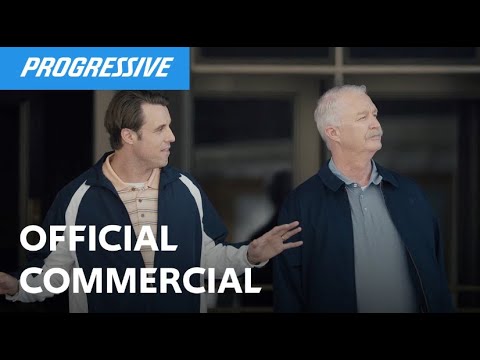
The genius lies in its specificity. It doesn't joke about insurance directly; it jokes about the life stages and behaviors that lead to needing insurance. This builds brand affinity long before a purchase is considered, making Progressive the "understanding friend" in the consumer's mind.
2. The Cultural Parody: Liberty Mutual's "Truth Tellers"
Liberty Mutual cleverly uses parody to highlight its brand pillar of transparency. Their "Truth Tellers" campaign, parodying the hyperbolic and often deceptive world of dating apps, directly translates to the insurance landscape.
YouTube:

By humorously contrasting the "swipe-right" culture with their own commitment to honesty, they make a serious point about integrity feel fresh and culturally savvy. It signals to younger audiences: "We get your world, and we're doing the opposite of the stuff you find sketchy."
3. The Aspirational Comedy: Staysure's "Dream Big"
Humor isn't just for the young. Staysure’s campaign for the over-50s travel insurance market uses aspirational comedy. It shows older adults embarking on adventurous, slightly outrageous travels—think learning to surf or navigating a foreign market with chaotic charm.
YouTube:

The humor is warm and empowering, challenging stereotypes about aging while naturally positioning insurance as the enabler of this vibrant, confident lifestyle. It sells freedom and fun, with coverage as the supportive backbone.
4. The Influencer & Meme Integration: Allianz on TikTok
Moving beyond broadcast, brands like Allianz are co-opting the native language of social platforms. They partner with TikTok creators to explain policy features using inside jokes, trending sounds, and meme formats. This strategy abandons the corporate voice entirely, speaking to Gen Z in their own dialect. The humor is authentic to the platform, making dry topics like deductible explanations surprisingly engaging and shareable within communities.
5. The Situational Niche Comedy: Simply Business
For B2B or niche markets, humor tackles specific pain points. Simply Business uses situational comedies centered on small business owners—like a baker dealing with an absurd, customized cake request.
YouTube: 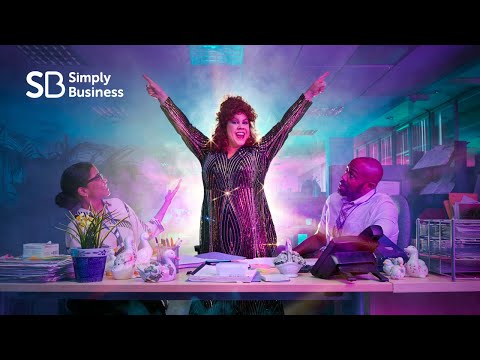
The humor resonates deeply with the target audience because it’s born from their real-world frustrations. It demonstrates an intimate understanding of their daily lives, making the subsequent message about the right coverage feel like empathetic, expert advice from a partner who truly "gets it."
The Humor Strategy Matrix: From Relatability to Reach
| Relatable Skit | Build long-term affinity & brand persona. | Homeowners, drivers, broad demographics. | Progressive (Dr. Rick) | Creates beloved characters; turns the brand into a personality. |
| Cultural Parody | Highlight brand values via satire. | Digitally-native, media-literate consumers. | Liberty Mutual | Positions brand as culturally intelligent and trustworthy. |
| Aspirational Comedy | Empower and reframe a demographic. | Older adults, niche lifestyle groups. | Staysure | Challenges stereotypes; sells a lifestyle, not just a product. |
| Influencer/Meme Humor | Achieve authentic platform-native engagement. | Gen Z, Millennials on specific apps (TikTok, Instagram). | Allianz | Drives virality and community credibility; bypasses ad skepticism. |
| Situational Niche Comedy | Demonstrate deep category understanding. | Small business owners, professionals. | Simply Business | Builds expert credibility and trust within a specific vertical. |
Analysis: Navigating the Fine Line—Risks and Mastery
The humorous approach is a high-wire act. The primary risk is trivialization. Insurance protects against real, often devastating, life events. A joke that lands poorly can make a brand seem flippant about serious matters. Success requires a precise tonal balance—making the process of buying insurance or the quirks of life funny, never the potential tragedies coverage protects against.
Furthermore, cultural and generational misinterpretation is a pitfall. A skit that kills in the U.S. may confuse or offend in another market. The most successful campaigns, like Dr. Rick, are rooted in almost universal human behaviors, giving them wider resonance. There's also the risk of comedic saturation; as more insurers jump on the trend, standing out requires ever-sharper creative.
Conclusion: From Fear to Funny—A Permanent Shift
The rise of humor in insurance advertising marks a permanent evolution in how the industry communicates. It signals a move from a paternalistic model ("We will protect you") to a partnership model ("We get you, and we've got you"). In 2026, the most successful insurers understand that before they can protect a customer's assets, they must first win their attention and affection.
By leveraging laughter, they achieve something previous campaigns struggled with: they make insurance approachable, memorable, and even enjoyable to think about. They prove that in building trust, a well-crafted joke can be as powerful as a centuries-old reputation. The lesson for all complex, trust-based industries is clear: don't just explain your value—connect with humanity. And sometimes, the most profound connection begins with a shared laugh. The funniest policy, it turns out, is also the smartest one.
Discover the full cast of the X Town Square ad, featuring diverse talents and engaging performances that bring the campaign to life. Explore now!
Discover the catchy song featured in the HP Work from Anywhere commercial. Uncover the artist and lyrics that make this ad memorable and engaging.
Discover effective strategies for conducting market research to enhance your campaigns. Learn how to gather insights that drive successful marketing decisions.

Discover the top 5 most creative bank spots of the year, showcasing innovative designs and unique customer experiences that redefine banking on trust.

Discover the emotional storytelling behind Mastercard's "Priceless" Campaign 2026. Explore how moments of connection create lasting memories and value.

Discover how crypto advertising is transforming in 2026. Explore innovative rebranding strategies and the future of digital marketing in the crypto space.
Relive the magic of Saturday mornings with our nostalgic journey through classic cereal ads. Discover the charm and creativity that defined a generation.

Explore the nostalgia of vintage 80s tech ads and discover how early computing shaped our digital world. A trip down memory lane awaits!

Discover how Nike and Adidas leverage influencer marketing in 2026 to shape streetwear branding and connect with the youth culture.

Discover the elegance of Rolex through their latest television spots, showcasing the art of prestige and timeless craftsmanship in luxury watchmaking.

Discover the art of perfume commercials in 2026, where cinematic storytelling captivates audiences and elevates fragrance marketing to new heights.