

In the modern marketing landscape, channels don't exist in isolation. Yet many brands still operate in silos—social media teams post without input from email, paid advertising runs independently, and the customer experience suffers from disjointed messaging. The brands that win are those that recognize the powerful synergy between channels, particularly between email marketing and paid advertising.
When email marketing and advertising campaigns work together, they create a multiplier effect. Email provides a direct, owned connection to your most engaged audiences. Advertising provides scale and reach. Together, they form a complete growth engine that outperforms either channel operating alone. This comprehensive guide will walk you through the benefits, strategies, and tactics of integrating email marketing with your advertising campaigns—complete withYouTube tutorialsto help you implement each approach.
Why Integration Matters: The Case for Channel Synergy
Before diving into specific tactics, it's essential to understand why email and advertising integration creates such powerful results.
The Data Behind Integration
| Customer lifetime value | Integrated campaigns increase CLV by30%compared to single-channel efforts | |
| Conversion rates | Email + retargeting ads increase conversions by22% | WordStream |
| ROI | Email marketing delivers$36 for every $1 spent; adding ads multiplies this | Litmus |
| Audience reach | Email reaches existing subscribers; ads reach lookalikes and new prospects | Multiple |
| Frequency management | Coordinated channels prevent over-saturating audiences | HubSpot |
The Fundamental Truth
Email is your most owned, most intimate channel.These are people who have given you explicit permission to contact them. They know you, trust you (to some degree), and have shown interest in what you offer.
Advertising is your most scalable, most targeted acquisition channel.It allows you to reach new people who look like your best customers, re-engage people who've visited your site, and amplify your most important messages.
When you connect these two forces, magic happens. Your email list becomes a seed audience for ad platforms to model. Your ad campaigns become a engine for growing your email list. And your messaging becomes consistent, reinforced, and more effective across every touchpoint.
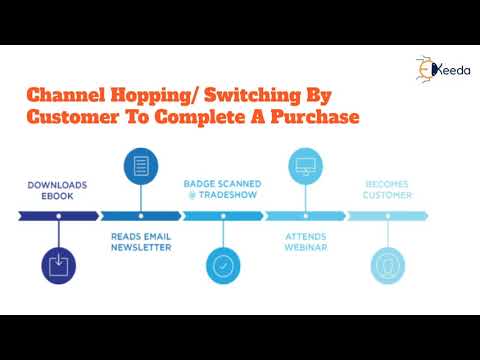
Watch the Example: Why Channel Integration Matters
Learn why siloed marketing fails and how integrated campaigns win.
-
Watch here:
 Watch YouTube video
Benefit 1: Build Powerful Lookalike Audiences for Advertising
One of the most powerful ways to combine email and advertising is by using your email list to createlookalike audienceson platforms like Facebook, Instagram, and Google.
What Are Lookalike Audiences?
Lookalike audiences are targeting segments that ad platforms create by analyzing your existing customers or subscribers and finding new people who share similar characteristics, behaviors, and interests. They're one of the most effective targeting methods available because they're based on real data about people who already engage with your brand.
How Email Makes Lookalikes Better
The quality of your lookalike audience depends entirely on the quality of your source audience. When you upload your email list to create a lookalike, you're telling the platform: "Find me more people like these specific individuals."
| All email subscribers (including unengaged) | Lower quality, broader targeting |
| High-intent segments (purchasers, engaged) | Higher quality, more accurate targeting |
| VIP customers (high LTV, repeat buyers) | Best quality, most valuable new prospects |
Implementation Strategy
Segment your email listby engagement and value
Create separate lookalike audiencesfrom your best segments
Test different audience sizes(1%, 2%, 5% similarity) to find the sweet spot
Run dedicated ad campaignsto these lookalike audiences
Track performanceand refine over time
Watch the Tutorial: Creating Lookalike Audiences from Email Lists
Learn step-by-step how to build powerful lookalike audiences on Facebook and Google.
-
Watch here:
Watch YouTube video
Benefit 2: Retarget Website Visitors Across Email and Ads
Not every visitor converts on their first visit. In fact, most don't. Retargeting—showing ads to people who've already visited your site—is a proven way to bring them back. But when you combine ad retargeting with email retargeting, the results multiply.
The Retargeting Funnel
| Visitor lands on site | Capture email via pop-up or form | Tag visitor for retargeting |
| Visitor leaves without converting | Send abandoned browse/cart email | Show display or social ads |
| Visitor engages with email | Send follow-up with offer | Adjust ad frequency down |
| Visitor clicks ad | Trigger email sequence based on behavior | Optimize toward conversion |
Behavioral Triggers in Action
Consider this integrated sequence for an e-commerce brand:
User visits product pagebut doesn't purchase
Within 1 hour:They see a Facebook retargeting ad featuring that exact product
Within 24 hours:They receive an email with "You left something behind" and a 10% discount
If they click the email but don't buy:They see retargeting ads with the discount code
After purchase:They're excluded from both email and ad sequences
This coordinated approach dramatically increases the likelihood of conversion while managing frequency to avoid annoying potential customers.
Implementation Strategy
-
Set upsite tracking(pixels, cookies) to capture visitor behavior
-
Createaudience segmentsbased on specific actions (product views, cart adds, etc.)
-
Buildemail flowstriggered by the same behaviors
-
Coordinatefrequency capsacross channels
-
Useconsistent messagingacross email and ads
Watch the Tutorial: Setting Up Cross-Channel Retargeting
Learn how to create coordinated retargeting campaigns across email and paid ads.
-
Watch here:
Watch YouTube video
Benefit 3: Use Email Data to Refine Ad Targeting
Your email platform contains a wealth of data about what your audience cares about, what they click, and what they buy. This information is gold for your advertising efforts.
What Email Data Reveals
| Clicked links | Interest in specific topics or products → target with relevant ads |
| Purchase history | Past buying behavior → cross-sell and upsell via ads |
| Engagement frequency | How often they open → prioritize highly engaged in retargeting |
| Inactivity | People who haven't engaged → suppress from ads (save budget) |
| Segment membership | VIPs, bargain hunters, specific interests → custom ad audiences |
Creating Custom Audiences from Email Behavior
Most ad platforms allow you to upload lists or connect directly to your email service provider to create custom audiences based on specific behaviors.
Examples of Powerful Custom Audiences:
-
Product viewers:People who clicked on emails about specific products in the last 30 days
-
High-intent subscribers:People who click >50% of emails you send
-
Lapsed customers:Purchased 6-12 months ago but haven't since
-
Category enthusiasts:Clicked content about a specific category 3+ times
-
Cart abandoners:Started checkout via email but didn't complete
Each of these audiences represents a different intent level and requires different ad creative and offers.
Watch the Tutorial: Syncing Email Data with Ad Platforms
Learn how to connect your email platform to Facebook, Google, and other ad networks.
-
Watch here:
Watch YouTube video
Benefit 4: Grow Your Email List Through Paid Advertising
Your email list is one of your most valuable assets—but it doesn't grow on its own. Paid advertising is the most effective way to accelerate list growth with targeted, high-quality subscribers.
Lead Generation Ad Formats
Different platforms offer different ways to capture emails directly from ads:
| Facebook/Instagram | Lead Forms (auto-filled) | Quick opt-ins, mobile users |
| Lead Gen Forms | B2B, professional audiences | |
| Lead Form Extensions | Search intent, high relevance | |
| TikTok | Lead Generation Cards | Younger demographics |
| YouTube | Lead Form Extensions | Video viewers, educational content |
The Lead Magnet Strategy
To grow a quality email list (not just any list), you need to offer something valuable in exchange for the email address. This is where your advertising and email teams must align closely.
Effective Lead Magnets by Type:
| B2B SaaS | Whitepapers, case studies, ROI calculators, free trials |
| E-commerce | Discount codes, style guides, lookbooks, early access |
| Publishers | Newsletters, exclusive content, gated articles |
| Service businesses | Consultations, assessments, guides, templates |
| Educators | Free courses, webinars, resource libraries |
The Integration Flow
Ad creativepromotes the lead magnet with compelling copy and visuals
User clicksand lands on a dedicated landing page (or opens a lead form)
User submits emailand receives the lead magnet
Automated email sequencewelcomes them, delivers value, and nurtures toward purchase
New subscriber datais used to create lookalike audiences for future ads
Retargeting adsreach subscribers who haven't converted yet
This creates a virtuous cycle where advertising feeds your email list, and your email list makes your advertising more effective.
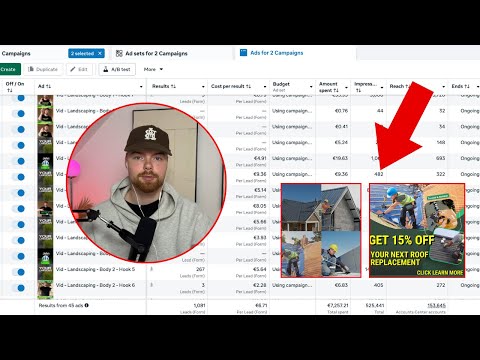
Watch the Tutorial: Facebook Lead Ads Strategy
Learn how to create high-converting lead generation campaigns.
-
Watch here:
Watch YouTube video
Benefit 5: Coordinate Messaging for Maximum Impact
When a customer sees the same message across multiple channels, it creates a phenomenon calledthe multiplier effect—the whole becomes greater than the sum of its parts.
The Psychology of Repetition
Research in cognitive psychology shows that repeated exposure to a message increases:
-
Familiarity(the mere-exposure effect)
-
Trust(familiarity breeds comfort)
-
Recall(repetition strengthens memory)
-
Action(multiple touchpoints increase conversion likelihood)
When your email and advertising messages align, you're not annoying people with repetition—you're reinforcing your value proposition in a way that feels cohesive and professional.
Coordinated Campaign Examples
Product Launch Sequence:
| 1 week before | Teaser to subscribers | - |
| 3 days before | Sneak peek + exclusive early access | Retargeting to website visitors |
| Launch day | Full announcement + offer | Broad awareness campaign |
| 3 days after | Social proof + reviews | Retargeting to email openers |
| 1 week after | FAQ + use cases | Lookalike audience campaign |
Seasonal Promotion:
| VIP customers | "Early access: 24 hours before everyone else" | Exclusive preview creative |
| Recent purchasers | "Complete your look with these complementary items" | Cross-sell product ads |
| Cart abandoners | "Your cart is reserved—plus free shipping today" | Dynamic product retargeting |
| Lapsed customers | "We miss you! Here's 20% off your return" | Brand reminder creative |
| Prospects | Sign up for updates and get 10% off | Lead form with offer |
Implementation Checklist
-
Create acampaign calendarthat includes both email and ad touchpoints
-
Developcreative assetsthat work across both channels
-
Writecopy that alignsin tone and message
-
Set uptrackingto see cross-channel influence
-
Coordinatesend timesfor maximum impact
Watch the Tutorial: Multi-Channel Campaign Planning
Learn how to plan integrated campaigns that coordinate email and advertising.
Benefit 6: Suppress Current Subscribers from Ads
One of the most overlooked benefits of integration is the ability tostop showing ads to people who are already customers or highly engaged subscribers.
Why Suppression Matters
Every time you show an ad to someone who would have converted anyway (or already has), you're wasting ad spend. Suppression ensures your budget goes toward net-new acquisitions, not paying for conversions that would have happened organically.
What to Suppress
| Current customers | All acquisition campaigns | Don't pay to acquire existing customers |
| Recent purchasers (30-60 days) | Retargeting campaigns | They just bought; give them a break |
| Highly engaged subscribers | Awareness campaigns | They already know you; move to retention |
| Unsubscribes | All campaigns | Respect their choice; avoid spam complaints |
| Complainers | All campaigns | Prevent negative feedback |
Implementation
Create suppression listsin your ad platforms
Sync regularly(automatically if possible) between your email platform and ad accounts
Build separate campaignsfor retention/cross-sell that target customers
Track savingsto quantify the value of suppression
Watch the Tutorial: Setting Up Customer Suppression in Ads
Learn how to exclude current customers from your acquisition campaigns.
Benefit 7: Accelerate the Buyer's Journey
The combination of email and advertising can significantly shorten the time it takes for a prospect to become a customer.
The Integrated Journey
| Awareness | User sees ad, maybe clicks | User sees ad, clicks, subscribes to email |
| Consideration | User visits site, leaves, maybe returns | User receives nurturing emails + retargeting ads |
| Decision | User returns days/weeks later | User clicks email or ad with compelling offer |
| Purchase | Conversion happens (eventually) | Conversion happens faster |
| Loyalty | Maybe email, maybe not | Post-purchase email + retention ads |
The Acceleration Multiplier
Studies show that integrated campaigns can reduce time-to-purchase by30-50%compared to single-channel efforts. This happens because:
-
More touchpointsin a shorter period keep your brand top-of-mind
-
Consistent messagingbuilds trust faster
-
Multiple channelscatch people in different contexts and mindsets
-
Coordinated offerscreate urgency and clarity
Measuring Acceleration
Track these metrics to measure journey acceleration:
-
Time from first touch to conversion(integrated vs. single-channel)
-
Number of touchpoints before conversion
-
Conversion rate by channel combination
-
Assisted conversions(when one channel helps another)
Watch the Tutorial: Mapping the Multi-Channel Customer Journey
Learn how to visualize and optimize the path to purchase across channels.
Benefit 8: Improve Attribution and Measurement
When email and advertising are integrated, you gain a much clearer picture of what's actually driving results.
The Attribution Challenge
In siloed marketing, each channel claims credit for conversions it touched last. But the customer journey is rarely linear. Someone might:
See a Facebook ad
Search Google and click an organic result
Sign up for email
Click an email three days later
See a retargeting ad
Finally purchase
Who gets credit? With integrated tracking, you can see the full picture.
Cross-Channel Attribution Models
| Last-click | Last channel gets all credit | Simple reporting, but misleading |
| First-click | First channel gets all credit | Understanding awareness drivers |
| Linear | Equal credit to all touchpoints | Balanced view of the journey |
| Time-decay | More credit to recent touchpoints | Short sales cycles |
| Position-based | 40% to first, 40% to last, 20% to middle | Long, complex journeys |
| Data-driven | Algorithm assigns credit based on patterns | Most accurate (requires data) |
Setting Up Cross-Channel Tracking
UTM parameterson all campaign links (source, medium, campaign, content, term)
CRM integrationthat captures touchpoint data
Analytics platform(like Google Analytics 4) that can handle cross-channel data
Attribution modelingin your analytics or ad platforms
Regular reportingthat shows channel interactions, not just last-click
Watch the Tutorial: Setting Up Cross-Channel Attribution
Learn how to track the full customer journey across email and ads.
Benefit 9: Test Creatives and Offers at Lower Cost
Email provides a cost-effective testing ground for advertising creative and offers. Before spending significant ad budget on a new approach, test it with your email list first.
The Testing Funnel
| Concept test | Email (small segment) | Very low | Early indicator |
| Creative test | Email (full list) | Low | Strong signal |
| Offer test | Email + small ad budget | Medium | Validated |
| Scale test | Full ad campaign | High | Proven winner |
What to Test in Email First
-
Subject lines(for ad headlines)
-
Call-to-action wording(for button text)
-
Offer effectiveness(discount % vs. dollar amount vs. free shipping)
-
Creative approaches(humor vs. emotion vs. utility)
-
Product positioning(feature-focused vs. benefit-focused)
The Feedback Loop
Test in email, measure results
Apply learnings to ad creative
Run ads, measure performance
Use ad data to inform future email tests
Repeat
This creates a continuous improvement cycle that makes both channels better over time.
Watch the Tutorial: A/B Testing Email Creative for Ads
Learn how to use email as a testing ground for advertising concepts.
-
Watch here:
Watch YouTube video

Benefit 10: Re-Engage Dormant Subscribers with Ads
Not every email subscriber stays engaged. Over time, lists naturally decay as people lose interest, change jobs, or simply get busy. But these dormant subscribers aren't lost forever—especially if you combine email with advertising.
The Re-Engagement Funnel
| Identify | Find subscribers who haven't opened in 3-6 months |
| Email attempt | Send a "We miss you" re-engagement campaign |
| Ad follow-up | If no email engagement, show them ads |
| Offer | Provide a compelling reason to return |
| Decision | Re-engage or remove from list |
Why Ads Work for Re-Engagement
Dormant subscribers may have stopped opening emails, but they're still active on other platforms. When they see your ad, it reminds them that they once had interest in your brand. This cross-channel reminder can be powerful.
Implementation
Create a segmentof dormant subscribers (no opens in 90+ days)
Build a custom audiencein your ad platform from this list
Exclude themfrom your regular email sends (temporarily)
Run a re-engagement ad campaignwith a strong offer
Track results—if they click, move them back to active email status
Remove from listif no response after ad campaign
Watch the Tutorial: Re-Engagement Campaign Strategies
Learn how to win back dormant subscribers with coordinated email and ads.
-
Watch here:
Watch YouTube video
Benefit 11: Enhance Personalization Across Channels
The data you collect in email can power personalization in your advertising, and vice versa. This creates a unified experience that feels tailored to each individual.
Data Sharing Between Channels
| Purchase history | Email/CRM | Show relevant products in ads |
| Product views | Email/Website | Retarget with viewed items |
| Category interests | Email clicks | Target with category-specific ads |
| Price sensitivity | Email offer response | Show appropriate price points in ads |
| Loyalty status | Email/CRM | VIP treatment in ad creative |
Dynamic Creative Personalization
Advanced setups can use email data to serve dynamically personalized ads:
-
Product recommendationsbased on past purchases or browsing
-
Personalized offersbased on email engagement history
-
Countdown timersfor abandoned cart recovery
-
Location-based messagingfor stores or events
-
Lifecycle-stage creative(new vs. returning vs. lapsed)
Implementation Requirements
-
Unified customer profilesin your CRM or CDP
-
Data syncingbetween platforms
-
Dynamic creative capabilitiesin your ad platform
-
Privacy compliance(consent management)
Watch the Tutorial: Dynamic Personalization Across Channels
Learn how to create personalized experiences that span email and advertising.
-
Watch here:
Watch YouTube video

Benefit 12: Improve Overall Marketing ROI
Ultimately, all of these benefits combine to improve your bottom line. Integrated email and advertising campaigns consistently outperform siloed efforts in key financial metrics.
The ROI Multiplier
| CPA (Cost per Acquisition) | $50 | $38 | 24% lower |
| ROAS (Return on Ad Spend) | 4.2x | 5.8x | 38% higher |
| Customer LTV | $500 | $650 | 30% higher |
| Conversion Rate | 2.1% | 2.8% | 33% higher |
| Retention Rate | 65% | 74% | 14% higher |
Why Integration Improves ROI
Lower acquisition coststhrough better targeting and lookalike audiences
Higher conversion ratesthrough coordinated messaging
Increased customer valuethrough better retention and cross-sell
Reduced wastethrough suppression and frequency management
Faster testingthrough email as a low-cost testing ground
Watch the Tutorial: Measuring Integrated Campaign ROI
Learn how to calculate the true return of your cross-channel efforts.
-
Watch here:
Watch YouTube video
Implementation Roadmap: Getting Started
Ready to integrate your email and advertising? Here's a phased approach.
Phase 1: Foundation (Month 1)
-
Connect email platform to ad platforms (audience sharing)
-
Set up conversion tracking across both channels
-
Create suppression lists for current customers
-
Align on naming conventions and UTM parameters
Phase 2: Testing (Month 2-3)
-
Run first lookalike audience campaign from email list
-
Set up basic retargeting for website visitors
-
Test one lead generation campaign
-
Coordinate one campaign with aligned messaging
Phase 3: Optimization (Month 4-6)
-
Create segmented lookalikes (VIPs, purchasers, engagers)
-
Build behavioral audiences from email data
-
Implement cross-channel frequency capping
-
Develop dynamic retargeting based on email behavior
Phase 4: Advanced Integration (Month 6+)
-
Unify customer profiles in a CDP
-
Implement cross-channel personalization
-
Build predictive audiences based on email and ad data
-
Create fully automated, behavior-triggered cross-channel journeys
Common Mistakes to Avoid
| Not syncing audiences | Wasted spend on existing customers | Regularly sync suppression lists |
| Inconsistent messaging | Confuses customers, weakens brand | Coordinate campaign calendars |
| Separate tracking | Can't measure true ROI | Use consistent UTM parameters |
| Over-frequency | Annoys audiences, burns out lists | Coordinate frequency across channels |
| Not testing in email first | Wastes ad budget on unproven concepts | Use email as testing ground |
| Ignoring privacy | Legal risk, customer distrust | Get proper consent, manage data responsibly |
Tools for Integration
Email Marketing Platforms with Strong Ad Integrations
| Klaviyo | Facebook, Instagram, Google, TikTok | E-commerce |
| HubSpot | Facebook, LinkedIn, Google | B2B, mid-market |
| Mailchimp | Facebook, Instagram, Google | Small business |
| ActiveCampaign | Facebook, Google | SMBs with automation needs |
| Brevo | Facebook, Google | Growing businesses |
| Salesforce | Full ad platform integration | Enterprise |
Customer Data Platforms (CDPs) for Advanced Integration
| Segment | Unified customer profiles | Tech-savvy teams |
| mParticle | Enterprise-grade data management | Large enterprises |
| Tealium | Tag management + CDP | Enterprise with complex needs |
| RudderStack | Open-source CDP | Developers, cost-conscious |
Ad Platforms with Email Integration
| Facebook/Instagram | Custom Audiences from email lists |
| Google Ads | Customer Match from email lists |
| Matched Audiences from email lists | |
| TikTok | Custom Audiences from email lists |
| Customer List targeting |
Watch the Tutorial: Choosing the Right Integration Tools
Learn how to select and set up tools for email-ad integration.
The Future: AI-Powered Cross-Channel Orchestration
As we move through 2026, artificial intelligence is transforming how email and advertising work together.
AI-Driven Capabilities
-
Predictive audience modeling– AI identifies which subscribers are most likely to convert via ads
-
Automated frequency management– AI adjusts email and ad frequency based on engagement signals
-
Cross-channel journey orchestration– AI determines the next best channel for each individual
-
Dynamic creative optimization– AI generates and tests creative variations across channels
-
Real-time attribution– AI models the true impact of each touchpoint
Preparing for the AI Future
-
Unify your data– AI needs complete customer data to work effectively
-
Define your goals– Clear objectives help AI optimize toward what matters
-
Test and learn– AI improves with data; feed it continuously
-
Maintain human oversight– AI is powerful but needs strategic direction
Watch the Example: AI in Marketing Automation
See how AI is transforming email and advertising integration.
Summary Checklist: Email + Advertising Integration
Audience Integration
-
Upload email lists to ad platforms for lookalike audiences
-
Create suppression lists to avoid wasting ad spend
-
Build custom audiences from email behavioral data
-
Sync lists regularly (automatically if possible)
Campaign Coordination
-
Plan integrated campaign calendars
-
Align messaging across email and ads
-
Coordinate timing for maximum impact
-
Use consistent creative and offers
Tracking and Measurement
-
Implement consistent UTM parameters
-
Set up cross-channel conversion tracking
-
Use attribution models that show channel interactions
-
Report on combined, not just individual, channel performance
Testing and Optimization
-
Test creative and offers in email before scaling to ads
-
Use ad performance data to refine email strategy
-
Continuously optimize audience segments
-
Experiment with new integration tactics
Conclusion: The Whole Is Greater Than the Sum of Its Parts
Email marketing and paid advertising are powerful channels on their own. But when they work together—sharing data, coordinating messages, and creating seamless customer experiences—they become something much greater.
Your email list makes your advertising smarter and more efficient. Your advertising makes your email list grow faster and with higher-quality subscribers. Together, they create a virtuous cycle that drives acquisition, conversion, retention, and loyalty better than either channel could alone.
The brands that win in 2026 and beyond won't be those with the biggest budgets or the cleverest creative. They'll be those that understand how to make their channels work together—creating experiences that feel cohesive, personalized, and valuable at every touchpoint.
Start small if you need to. Pick one integration tactic from this guide and implement it this month. Then build from there. Because in the world of integrated marketing, the whole really is greater than the sum of its parts.
Discover effective strategies for conducting market research to enhance your campaigns. Learn how to gather insights that drive successful marketing decisions.
Discover how visuals enhance advertising effectiveness, capturing attention and driving engagement. Explore the science behind impactful visual strategies.
Discover the art of crafting a compelling brand story that connects with your audience. Learn essential tips to elevate your brand's narrative and impact.

Discover effective SEO strategies to enhance your ad performance. Learn how to optimize your campaigns for better visibility and higher conversion rates.

Master the art of continuous advertising success with our comprehensive guide to creating an effective content calendar. Boost your marketing strategy today!
Discover the top tools for digital marketing automation that streamline your campaigns, enhance efficiency, and drive better results for your business.

Discover effective strategies to develop a consistent brand voice across all campaigns, enhancing your brand identity and engaging your audience effectively.

Discover how customer testimonials can elevate your advertising strategy, build trust, and drive conversions. Learn the secrets to advertising success today.
Discover essential tips for crafting memorable and shareable ads that captivate your audience and boost engagement. Elevate your advertising game today!

athlete featured in the Reebok CrossFit commercial and learn about their inspiring journey and achievements in the world of fitness.

Discover the truth behind the Under Armour training commercial. Explore whether it's based on a true story and what inspired its powerful message.