
Creating an ad that people remember and actively want to share is the holy grail of marketing. It's no longer just about selling a product; it's about creating a piece of culture. In today's fragmented media landscape, where consumers are bombarded with thousands of commercial messages daily, the ability to break through the noise and create something that resonates deeply enough to warrant a share is the ultimate competitive advantage.This comprehensive guide will walk you through the psychology, strategy, and execution of crafting ads that don't just get viewed, but get remembered, discussed, and shared voluntarily.The Core Principle: The "Viral" Venn DiagramBefore diving into specific tactics, it's essential to understand the fundamental framework that underpins every successful shareable ad. A truly memorable and shareable ad sits at the intersection of three critical elements:1. The Hook: This is what grabs attention immediately. In a world of infinite scroll, where thumb stops and eyes wander, your hook is your only chance to prevent being scrolled past. It must be instantaneous, visceral, and impossible to ignore.2. The Keep: Once you have their attention, you must deliver enough value to hold it. This value can take many forms—entertainment that makes them laugh, information that makes them smarter, or emotion that makes them feel something profound. The "Keep" is what transforms a glance into a viewing.3. The Link: Finally, the ad must connect to the brand in a way that feels intelligent and organic, not forced or clumsy. The best ads don't interrupt the viewing experience with the brand; they integrate the brand so deeply into the experience that the two become inseparable in the viewer's mind.When these three elements align perfectly, you create something that transcends advertising and becomes part of the cultural conversation.1. Master the First 3 Seconds (The "Thumb-Stopping" Hook)In today's digital ecosystem, attention is the scarcest resource. Research consistently shows that you have between 2-3 seconds to convince a viewer to stop scrolling and watch your content. If you fail in those first moments, nothing else matters—your millions of dollars in production value will be scrolled past like yesterday's news.Strategies for an Unforgettable Hook:Start in the Middle of the Action: Traditional storytelling follows a narrative arc—setup, conflict, resolution. For modern ads, throw that rulebook out the window. Your ad should begin at the peak of the action, the punchline of the joke, or the most visually arresting moment. Let the viewer piece together the context as they watch.Use Visual "Pattern Interrupts": Our brains are wired for efficiency. We scan environments looking for the familiar and filter out the expected. When something breaks that pattern—something unexpected, unusual, or impossible—our brains snap to attention. This is called a pattern interrupt, and it's your most powerful tool for stopping thumbs.Lead with a Provocative Question or Statement: Questions engage the brain's desire for closure. When you hear "Stop scrolling if you..." or "What if I told you...", your brain instinctively wants to know the answer. Similarly, bold, counter-intuitive statements create cognitive dissonance that demands resolution.Watch the Example: Apple - "Bounce" (AirPods)The ad opens with nothing but a pair of AirPods falling through frame. Then they hit the ground. And bounce. And keep bouncing. They bounce off walls, off floors, off ceilings—defying every expectation of how electronics should behave. There's no logo, no product shot, no voiceover. Just pure, inexplicable visual magic that makes you think, "Wait, what did I just see?"This 15-second masterpiece demonstrates that sometimes the most powerful hook is simply showing something your audience has never seen before and letting their curiosity do the rest.Watch here:




6. Make the Brand Integral, Not an Interruption
The most common and fatal mistake in advertising is creating a piece of great entertainment and then clumsily slapping a logo on it. Viewers can smell this inauthenticity instantly. For an ad to be truly memorable, the brand must be woven into the very fabric of the concept.
Strategies for Brand Integration:
The Product as a Prop: Your product shouldn't just appear in the ad—it should be essential to the story. If you can remove the product and still have a coherent narrative, your integration has failed. The best ads use the product as the vehicle for the entire experience.
Sonically Branded: Audio branding is often overlooked, but sound travels where visuals cannot. A distinctive jingle, a signature sound effect, or a unique musical style can make your brand recognizable even when viewers aren't looking at the screen.
Distinctive Visual Assets: Develop a consistent visual language—color palette, editing rhythm, typography, recurring characters—that becomes synonymous with your brand. When viewers can identify your ad without seeing a logo, you've achieved true integration.
Watch the Example: Old Spice - "The Man Your Man Could Smell Like"
This ad is a masterclass in brand integration. The protagonist moves impossibly from a shower to a boat to a horse, holding tickets, diamonds, and oysters. The common thread? He's using Old Spice body wash throughout. The product isn't just present—it's the mechanism that enables the entire surreal journey.
The ad's famous line—"Look at your man, now back to me, now back at your man, now back to me"—isn't interrupted by the brand; it is the brand. Old Spice isn't sponsoring a funny video; the funny video is Old Spice. This integration is so seamless that the brand and the entertainment become one.
Watch here: 
7. Don't Forget the Call to Action (CTA)
Memorable is wonderful. Shareable is powerful. But both should ultimately lead to measurable business results. Your creative brilliance must be channeled toward a clear objective, and that means including a call to action that feels organic to the experience.
CTAs That Actually Work:
Make Sharing the CTA: Sometimes the action you want is the share itself. Explicitly asking viewers to "tag a friend who needs to see this" or "send this to someone who..." can dramatically increase sharing. You're not just hoping people will share; you're giving them permission and direction.
Create a Challenge or Hashtag: The most successful campaigns turn viewers into participants. When you create a challenge—like a dance, a stunt, or a creative prompt—you're not just asking for attention; you're asking for contribution. Each participant becomes a content creator for your brand.
Link to Something Valuable: If your ad has done its job of creating interest, viewers will want to know more. Make it easy for them. A clear, simple next step—visit a website, follow an account, sign up for something—converts interest into action.
Watch the Example: ALS Association - "Ice Bucket Challenge"
This wasn't a traditional ad campaign, but it's the most powerful example of CTA-driven sharing in marketing history. The formula was brilliantly simple: dump ice water on your head, donate to ALS research, and nominate three friends to do the same within 24 hours.
The CTA was baked into the concept. Sharing wasn't an afterthought—it was the entire mechanism. Each participant became a broadcaster, and each nomination expanded the reach exponentially. The result? Over $115 million raised for ALS research and a fundamental shift in understanding what viral marketing could achieve.
Watch here: 
The Science Behind Shareability
Understanding the psychological drivers of sharing can help you engineer your ads for maximum spread. Research into why people share content reveals several consistent motivations:
Self-Expression: We share to express our identity—our values, our humor, our taste. Ads that help people say something about themselves are more likely to be shared.
Relationship Building: Sharing content is a form of social grooming. We share things that will strengthen our connections, spark conversations, or provide value to people we care about.
Information Seeking: Sometimes we share to get feedback or input from our network. Content that poses questions or invites opinions can generate sharing as people seek validation or discussion.
Status Signaling: Sharing content that makes us look smart, funny, or culturally aware is a form of status signaling. Ads that make sharers look good will be shared more.
The Importance of Platform Fit
Different platforms have different cultures, formats, and expectations. An ad that works brilliantly on TikTok may fall flat on LinkedIn. Understanding these differences is crucial for creating shareable content:
TikTok/Reels/Shorts: These platforms demand vertical video, rapid pacing, and trend awareness. Content should feel native to the platform—use popular sounds, participate in trends, and embrace imperfection.
YouTube: Here you have slightly more room for storytelling, but the first 5-10 seconds remain critical. Consider both skippable and non-skippable formats in your planning.
LinkedIn: Professional context matters here. Content that provides career value, industry insights, or thought leadership performs well. Humor should be sophisticated, not silly.
Instagram/Facebook: These platforms reward visual beauty and emotional resonance. Consider both feed posts and Stories, and optimize for sound-off viewing.
Measuring What Matters
Creating shareable ads requires measuring the right metrics. Traditional advertising metrics like reach and frequency tell only part of the story. For shareable content, focus on:
Share Rate: What percentage of viewers share your content? This is the purest measure of shareability.
Amplification Rate: How many additional views does each share generate? This measures the viral potential of your content.
Emotional Response: Use sentiment analysis and engagement patterns to understand how people feel about your content. Shares driven by positive emotion are more valuable than those driven by outrage or controversy.
Brand Lift: Ultimately, shareable ads must drive business results. Measure brand awareness, consideration, and preference before and after your campaign.
Common Pitfalls to Avoid
Even with the best strategy, shareable ads can fail. Here are common mistakes to avoid:
Forgetting the Brand: If people remember the ad but not the brand, you've created entertainment, not advertising. Ensure your brand is woven into the concept.
Trying Too Hard: Desperation is visible. Ads that strain for virality often feel forced and inauthentic. Let shareability emerge from genuine creativity, not cynical calculation.
Ignoring Community Guidelines: Viral attention can be negative if your ad offends or alienates. Understand your audience and the platform's norms before publishing.
Neglecting Mobile: The vast majority of social video is viewed on mobile devices. Design for small screens, short attention spans, and sound-off viewing.
Conclusion: The Future of Shareable Advertising
As technology evolves and platforms change, the fundamentals of shareable advertising remain remarkably consistent. People will always share content that makes them feel something, that helps them connect with others, and that expresses something true about themselves.
The brands that succeed in this environment won't be those with the biggest budgets or the most sophisticated targeting. They'll be those that understand human psychology deeply enough to create content worth sharing—content that doesn't just interrupt what people are doing, but adds value to their lives and their relationships.
Your ad doesn't need to reach everyone. It just needs to reach the right people deeply enough that they become your evangelists. In an age of infinite content, the most valuable asset you can build is a community of people who love your brand enough to share it with the people they love.
Summary Checklist
Before you launch your ad, ask yourself these essential questions:
Will someone remember this tomorrow? Is it distinctive enough to stick in memory?
Would I want to send this to a friend? Is it valuable enough to become social currency?
Is the brand a hero, not just a sponsor? Is the product essential to the story, or just an interruption?
Does it reward a second watch? Are there layers of meaning or hidden details to discover?
Does it make the viewer feel something specific? Have you engineered an emotional payload worth sharing?
If you can answer yes to all five, you've created something special. Now go make ads that people can't stop talking about.
Discover effective strategies for conducting market research to enhance your campaigns. Learn how to gather insights that drive successful marketing decisions.
Discover how visuals enhance advertising effectiveness, capturing attention and driving engagement. Explore the science behind impactful visual strategies.
Discover the art of crafting a compelling brand story that connects with your audience. Learn essential tips to elevate your brand's narrative and impact.

athlete featured in the Reebok CrossFit commercial and learn about their inspiring journey and achievements in the world of fitness.

Discover the truth behind the Under Armour training commercial. Explore whether it's based on a true story and what inspired its powerful message.

Learn what makes the Nike 2026 commercial a hot topic in the US. Analyze its innovative approach and the reactions it’s generating across social media.
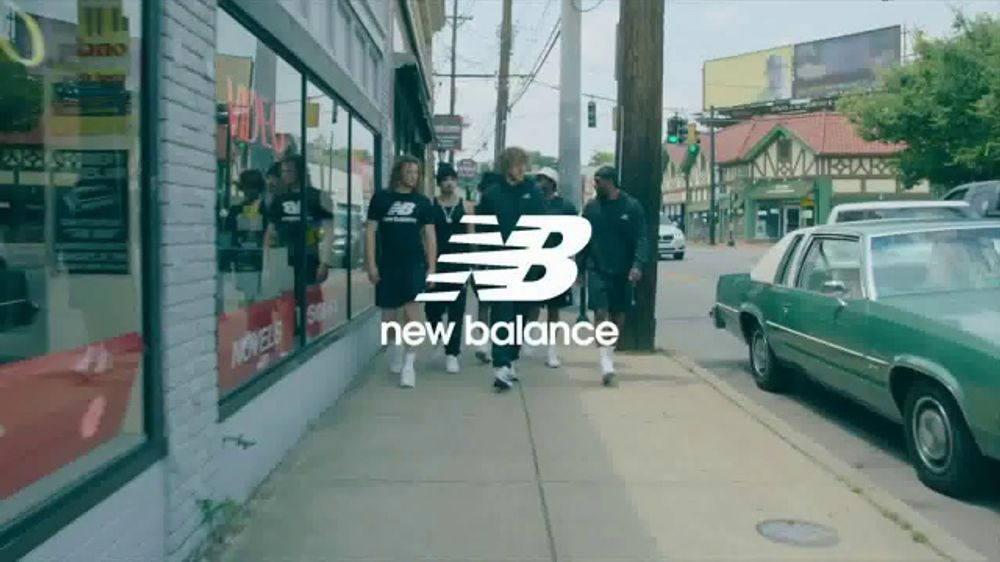
Discover the song featured in the New Balance Made in USA ad. Uncover the artist and track details that enhance this iconic commercial experience.
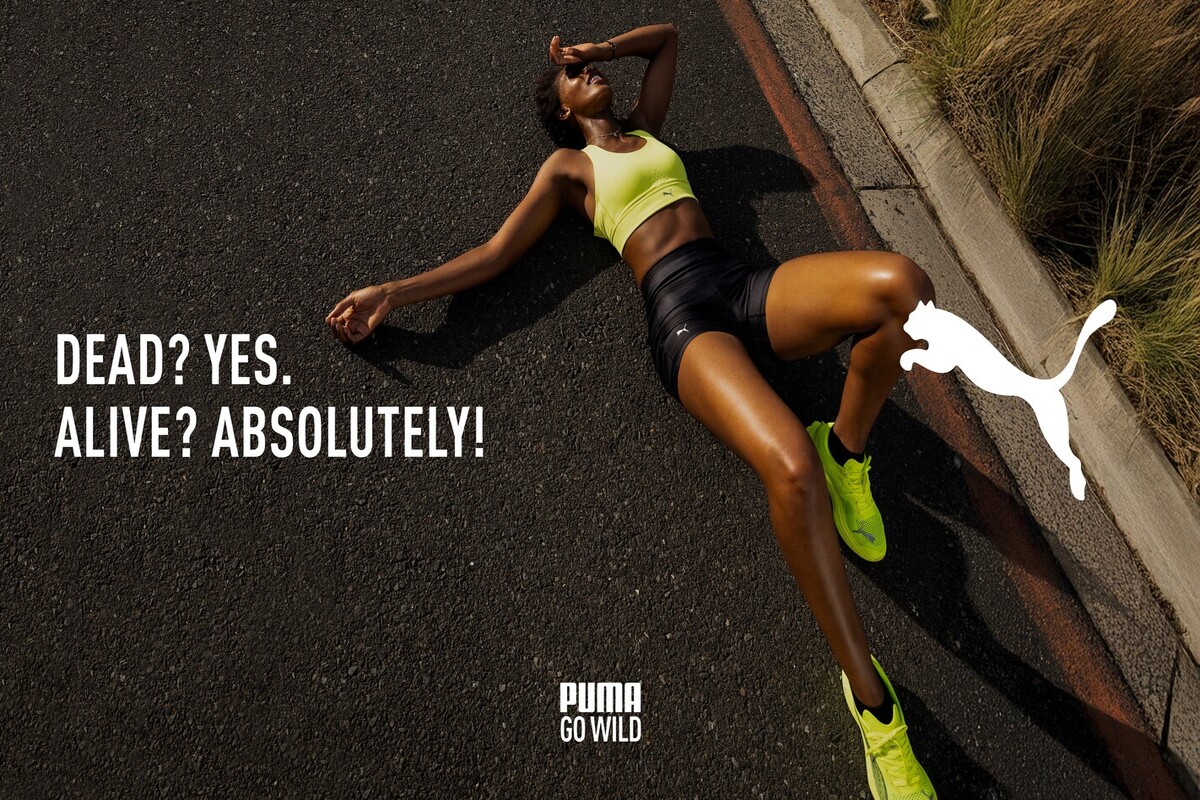
Discover the full cast of the Puma 2026 global campaign commercial. Explore the talent and creativity behind this exciting promotional project.

Discover the artist behind the catchy tune in the latest Adidas Originals streetwear ad. Uncover the music that sets the vibe for this iconic campaign.

Few things disrupt an outfit faster than visible bra lines. You could be wearing the perfect T-shirt or dress, but unwanted seams, ridges, or bulges

Discover how to leverage data analytics to enhance your marketing strategies and achieve better results. Unlock insights that drive success today.