

In the modern digital marketing landscape, keeping your search engine optimization (SEO) and pay-per-click (PPC) teams in separate silos is a costly mistake. When these two powerful channels work in harmony, they create a synergy that can dramatically lower your customer acquisition costs, increase your click-through rates, and dominate search engine results pages.
This comprehensive guide will walk you through exactly how to leverage SEO strategies—from technical website health to keyword insights—to supercharge your paid advertising performance across Google, Meta, and other platforms, complete withYouTube tutorialsto help you implement each tactic.
The New Reality: Why SEO and PPC Must Work Together
For years, the conversation about 'synergy' between paid media and organic search teams was merely theoretical. But with the rise of AI-driven campaigns like Google's Performance Max (PMax) and AI Max for Search, that separation is no longer viable.
Here's the fundamental truth:Your website is the asset source for Google's AI.PMax and AI Max rely heavily on the quality and structure of your website's content to create ads, determine relevance, and choose landing pages. If your website is a mess, the AI creates messy, low-performing ads.
Watch the Example: SEO vs. PPC Explained
Before diving into tactics, understand the fundamental differences between these channels and why they complement each other.
-
Watch here:
 Watch YouTube video

Strategy 1: Dominate SERP Real Estate with Coordinated Visibility
One of the most immediate benefits of aligning SEO and PPC is the ability to own more of the search engine results page (SERP).
The "Double Occupancy" Advantage
When your brand appears in both the paid ads at the top and the organic listings below, you achieve several critical benefits:
| More Click Opportunities | Users may scroll past the ad but click the organic result (or vice versa) |
| Increased Credibility | Appearing twice signals to users that you're a leading player in the industry |
| Higher Overall CTR | Studies show that when a brand appears in both placements, the total CTR for that keyword increases |
| Competitor Blocking | You reduce the SERP real estate available to competitors |
How to Implement
-
Identify your brand's most important keywords (core product/service terms)
-
Ensure you're running PPC ads for these terms even if you rank organically
-
Coordinate ad copy with organic meta descriptions for consistent messaging
Watch the Example: Dominating SERP Real Estate
Learn how to analyze the SERP and identify opportunities for double occupancy.
-
Watch here:
Watch YouTube video

Strategy 2: Use PPC Data to Inform Your SEO Keyword Strategy
Your paid search campaigns are a goldmine of data about what actually converts. Why wait months for SEO to test whether a keyword is valuable when PPC can tell you in days?
The PPC-to-SEO Feedback Loop
High-performing PPC keywords reveal opportunities to build organic content around terms with proven commercial intent.
Implementation Steps:
Export Search Term Reportsfrom Google Ads to see the exact queries triggering your ads
Identify High-Converting Queries– Look for terms with strong conversion rates, not just high traffic
Create SEO Contentaround these proven winners – blog posts, landing pages, or product category pages
Monitor Performance– As organic rankings improve for these terms, you can potentially reduce PPC spend on them
Pro Tip:Use tools like Conductor to analyze which paid keywords you can reduce spend on because they're already performing well organically (high rankings with good CTR).
Watch the Tutorial: Exporting and Analyzing Search Term Reports
Learn how to extract valuable keyword data from your Google Ads account.
-
Watch here:
Watch YouTube video
Strategy 3: Use SEO Insights to Refine PPC Targeting
The reverse is also true. Your organic search performance data can make your PPC campaigns smarter and more efficient.
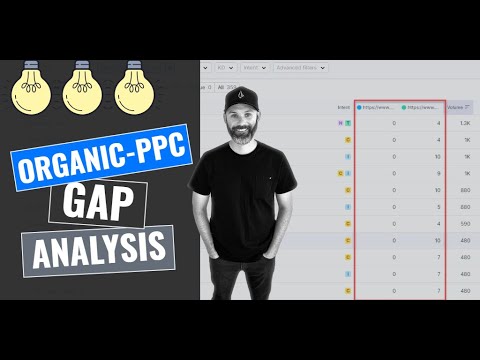
Identify Organic Gaps to Fill with PPC
Use SEO tools to find keywords where you'renotranking on the first page, but your competitors are. These represent visibility gaps that PPC can fill immediately while your SEO efforts catch up.
Implementation Steps:
Run Rank Comparisonsagainst your top competitors using tools like Conductor, Ahrefs, or SEMrush
Filter for Keywords Where:
-
You are NOT on Page 1 organically
-
Your competitor IS on Page 1
Add These Keywords to Your PPC Campaignsto capture traffic you're currently missing
Track Performance– Once organic rankings improve (thanks to content created around these terms), you can adjust PPC spend
Understand Search Intent
SEO teaches us that not all keywords are created equal. Some have informational intent ("how to fix a leaky faucet"), while others have transactional intent ("buy plumber's wrench online"). Use your SEO keyword research to understand intent and align your PPC ad copy and landing pages accordingly.
Watch the Tutorial: Competitor Gap Analysis for PPC
Learn how to identify competitive keywords where you can steal traffic through paid ads.
-
Watch here:
Watch YouTube video
Strategy 4: Optimize Landing Pages to Improve Quality Score
This is perhaps the most direct way SEO strategies boost ad performance. Google Ads uses a metric calledQuality Scoreto determine your ad rank and cost-per-click (CPC). One of the three core components of Quality Score isLanding Page Experience.
The Quality Score Formula
Google evaluates:
Keyword relevance– Does the search query match your keyword?
Ad Copy relevance– Does your ad include the keyword?
Landing Page relevance– Does the page content match the ad and keyword?
When all three align, your Quality Score improves. A higher Quality Score means:
-
Lower CPCs– You pay less per click
-
Better Ad Positions– Your ads show higher in the SERP
SEO Tactics That Improve Landing Page Experience
| Include primary keywords 3-5x on the page | Signals relevance to Google |
| Use keywords in H1, H2, and meta descriptions | Reinforces topic authority |
| Ensure fast page load speed (< 2-3 seconds) | Reduces bounce rate, improves Quality Score |
| Mobile-friendly design | Essential since ~51%+ of traffic is mobile |
| Clear, prominent CTAs | Improves conversion rate, which is a key Smart Bidding signal |
Warning:Don't try to cheat by keyword-stuffing a comma-separated list on your page. Google Ads can detect this and may penalize your account.
Watch the Tutorial: Improving Quality Score Through Landing Page Optimization
Learn practical steps to align your landing pages with ad copy for better Quality Scores.
Strategy 5: Leverage Technical SEO for Better Ad Performance
Technical SEO isn't just about helping Googlebot crawl your site—it directly impacts how your ads perform, especially with AI-driven campaign types.
Core Web Vitals and Page Speed
Google's Core Web Vitals measure user experience factors like loading speed, interactivity, and visual stability. For advertisers, poor Core Web Vitals mean:
-
Higher bounce rates– You pay for clicks that leave immediately
-
Lower conversion rates– Frustrated users don't convert
-
Wasted ad spend– Every bounce is a click you paid for but didn't convert
Optimization Checklist:
-
Aim for1-2 second load time(not just "passing" Core Web Vitals)
-
Compress images and use next-gen formats
-
Implement caching and consider a CDN
-
Use Google PageSpeed Insights and GTmetrix to audit
Structured Data (Schema Markup)
Schema markup helps Google's AI understand what your page is about. This machine-readable data is extracted to create richer ad extensions.
What to Implement:
-
Product Schema– For e-commerce pages (includes price, availability, reviews)
-
FAQ Schema– Can appear in search results and inform ad content
-
Review Schema– Enables star ratings in ads, boosting CTR
Watch the Tutorial: Core Web Vitals Optimization for Higher Conversions
Learn how to audit and improve your site's technical performance.
Strategy 6: Align Ad Copy with Landing Page Content
One of the most common and costly mistakes in digital advertising ismessage mismatch—when the promise in your ad doesn't match what the user finds on the landing page.
The Consistency Principle
If your ad promises "Affordable Web Design Packages Starting at $499," the landing page must:
-
Mention affordable web design packages
-
Show pricing (ideally starting at or near $499)
-
Make it easy to take the next step
When there's a mismatch, trust plummets, and users bounce—wasting your ad spend.
How SEO Helps
Your SEO team's keyword research and content optimization ensure that landing pages are structured around the topics and terms users are actually searching for. This same structure should inform your PPC ad copy.
Watch the Tutorial: Creating High-Converting Landing Pages
Learn how to design landing pages that convert paid traffic.
Strategy 7: Use Retargeting to Capture Organic Traffic
Not every visitor converts on their first visit. In fact, most don't. This is where the SEO-PPC synergy becomes a powerful revenue driver.
The SEO-to-Remarketing Funnel
User discovers your site through organic search– They read a blog post or browse a product category
They leave without converting– This is normal behavior
You retarget them with PPC ads– Using cookies, you can show relevant ads as they browse other sites or social media
Segmenting Your Retargeting Based on Intent
Use SEO insights about user intent to tailor your retargeting messages:
| Blog post: "Best espresso machines 2026" | Researching, likely to buy soon | Show ads for your top espresso machines |
| Blog post: "What is a coffee grinder?" | Early education, not ready to buy | Encourage email signup for future discounts |
| Product category page | High purchase intent | Show specific products with limited-time offers |
Watch the Tutorial: Setting Up Retargeting Campaigns in Google Ads
Learn how to create audiences based on site behavior and serve them relevant ads.
-
Watch here:
Watch YouTube video
Strategy 8: Optimize Meta Tags for Social and Display Ads
SEO isn't just about Google. The principles of optimization extend to how your content appears on social media and display networks.
Open Graph (OG) Metadata for Meta Ads
When you run ads on Facebook, Instagram, or Messenger, the platform pulls information from your page's Open Graph metadata to display the ad preview.
What Happens When OG Tags Are Missing or Wrong:
-
Wrong image appears (maybe your site logo instead of the product)
-
Incorrect description shows up
-
Preview links to the wrong page (like your homepage)
How to Fix It:
-
Implement proper OG:title, OG:description, and OG:image tags on all key pages
-
Use Facebook Sharing Debugger to force a re-scrape after updates
-
Ensure images are optimized for social sharing dimensions
Meta Tags for Google Shopping and PMax
For e-commerce businesses, meta tags directly impact how quickly Google indexes new products and makes them eligible for Shopping and PMax ads.
Common Issues:
-
Missing Details– Shipping info, return policies, warranty terms missing from pages can block ads
-
New Products with Weak Meta Tags– Generic or missing titles/descriptions delay indexing (up to 3 months!)
-
Duplicate Meta Tags– Hurts indexing speed and ad eligibility
Solution:Run a basic SEO optimization cycle for a few months, focusing on unique, descriptive meta tags for each product. Even a minimal SEO investment can prevent costly delays in ad campaigns.
Watch the Tutorial: Optimizing OG Tags for Social Media
Learn how to control how your content appears when shared on social platforms.
-
Watch here:
Watch YouTube video

Strategy 9: Build Content Hubs for Better AI Understanding
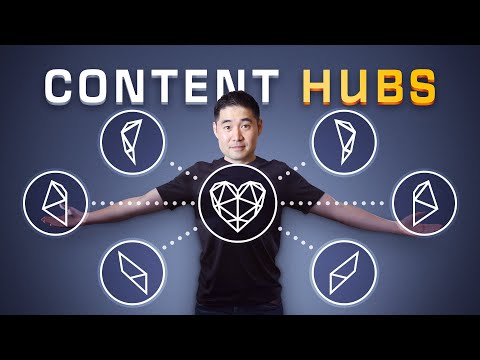
Modern SEO has shifted from creating many separate pages for every keyword variation to building comprehensivecontent pillars or hubs.
Why This Matters for PPC
For AI-driven campaigns like PMax and AI Max, Google's algorithms need to find the single most authoritative page for a broad topic. When you have a content hub, the AI can confidently map ad intent to the best landing page.
Implementation:
-
Create one comprehensive "pillar" page for a core topic (e.g., "Content Marketing Guide")
-
Link out to detailed "cluster" pages (e.g., "Blog Post Ideas," "SEO for Content," "Distribution Strategies")
-
Use a clear table of contents and internal linking structure
This structure helps both organic search (establishing topical authority) and paid search (providing clear, authoritative landing pages for the AI to choose).
Watch the Tutorial: Building Content Hubs for SEO and PPC Success
Learn how to structure your website for maximum AI understanding.
-
Watch here:
Watch YouTube video
Strategy 10: Foster Cross-Team Collaboration
All of these strategies require one foundational element:SEO and PPC teams actually talking to each other.
Creating a Shared Insights Loop
| Monthly | Review PMax/AI Max search term reports together. Identify high-converting queries for SEO content creation. Identify irrelevant terms for the paid team to exclude. |
| Quarterly | Share keyword performance data. SEO shares organic CTR trends; PPC shares conversion data. Align on priority terms for the next quarter. |
| Ongoing | Maintain shared dashboards in tools like GA4, Looker Studio, or Conductor that show both organic and paid performance. |
Breaking Down Silos
-
Shared Goals:Move beyond channel-specific KPIs to metrics like "total search visibility" or "combined conversion rate"
-
Regular Meetings:Schedule standing cross-team syncs
-
Unified Tools:Use platforms that allow both teams to see the same data
Watch the Tutorial: Building Integrated SEO and PPC Dashboards
Learn how to create reports that show the combined impact of both channels.
-
Watch here:
Watch YouTube video
Common Mistakes to Avoid
| Keyword cannibalization | SEO and PPC bidding on same terms without coordination can drive up CPCs | Coordinate which team owns which terms, or use PPC for terms where SEO isn't yet ranking |
| Ignoring landing page experience | High CPCs, low Quality Scores, wasted spend | Audit landing pages before launching any campaign |
| Siloed data | Missed opportunities for insights | Share search term reports, GSC data, and conversion data regularly |
| Inconsistent messaging | Confuses users, reduces trust | Ensure ad copy and landing page headlines align |
| Slow mobile experience | 53% of mobile users leave if a site takes >3 seconds | Prioritize mobile optimization for all landing pages |
The Future: From SEO to GEO (Generative Engine Optimization)
As we move through 2026, a new frontier is emerging:Generative Engine Optimization (GEO). With AI-powered search experiences like Google's SGE, Bing Chat, and ChatGPT becoming primary discovery tools, traditional SEO tactics alone may no longer secure visibility.
What This Means for Advertisers
-
Nearly94% of links cited by AI-generated answerscome from outside the top-ranked Google results
-
60% of Google searchesnow end without a click
-
The old model of "rank #1, get clicks" is evolving
Preparing Your Strategy
-
Optimize for AI answers– Structure content in clear Q&A formats, use authoritative sources, include data and citations
-
Build brand authority– AI models prioritize information from trusted, authoritative sources
-
Monitor visibility in AI search– Not just traditional rankings
While this shift is still emerging, forward-thinking advertisers should begin experimenting with content formats that perform well in AI-generated answers.
Watch the Example: Understanding Generative Engine Optimization
Learn about the future of search and how to prepare your content.
Summary Checklist: SEO Strategies to Boost Ad Performance
Keyword & Data Sharing
-
Export PPC search term reports to inform SEO content calendar
-
Use SEO rank tracking to identify gaps that PPC can fill
-
Coordinate on high-value terms to dominate SERP real estate
Landing Page Optimization
-
Ensure landing pages match ad copy promise and keywords
-
Include primary keywords in H1, H2, and body text (naturally)
-
Optimize for mobile responsiveness
Technical SEO
-
Aim for 1-2 second load time on all landing pages
-
Pass Core Web Vitals assessments
-
Implement relevant schema markup (Product, FAQ, Review)
Asset Optimization
-
Provide high-quality images in required aspect ratios
-
Create short vertical videos (15-30 seconds) for key landing pages
-
Optimize OG tags for social/display ad previews
Cross-Channel Integration
-
Set up retargeting for organic traffic
-
Create shared dashboards for both teams
-
Schedule regular cross-team syncs
Conclusion: The Multiplier Effect
The future of high-performance digital advertising is not about manually writing better ads.It's about building a better website to fuel the AI.
When you apply SEO strategies—from technical health and structured data to content depth and user experience—you're not just improving organic rankings. You're:
-
Lowering your CPCsthrough better Quality Scores
-
Increasing your CTRsthrough richer ad formats and consistent messaging
-
Protecting your ROASby ensuring clicks don't bounce
-
Future-proofing your visibilityfor AI-driven search experiences
The AI is only as smart as the website it crawls. Make your website as intelligent as possible, and watch your ad performance soar.
Discover effective strategies for conducting market research to enhance your campaigns. Learn how to gather insights that drive successful marketing decisions.
Discover how visuals enhance advertising effectiveness, capturing attention and driving engagement. Explore the science behind impactful visual strategies.
Discover the art of crafting a compelling brand story that connects with your audience. Learn essential tips to elevate your brand's narrative and impact.

Master the art of continuous advertising success with our comprehensive guide to creating an effective content calendar. Boost your marketing strategy today!
Discover the top tools for digital marketing automation that streamline your campaigns, enhance efficiency, and drive better results for your business.

Discover effective strategies to develop a consistent brand voice across all campaigns, enhancing your brand identity and engaging your audience effectively.

Discover how customer testimonials can elevate your advertising strategy, build trust, and drive conversions. Learn the secrets to advertising success today.

Discover essential tips for crafting memorable and shareable ads that captivate your audience and boost engagement. Elevate your advertising game today!

athlete featured in the Reebok CrossFit commercial and learn about their inspiring journey and achievements in the world of fitness.

Discover the truth behind the Under Armour training commercial. Explore whether it's based on a true story and what inspired its powerful message.

Learn what makes the Nike 2026 commercial a hot topic in the US. Analyze its innovative approach and the reactions it’s generating across social media.