
Over the past decade, influencer marketing has undergone a radical transformation, evolving from an experimental social media tactic to a central strategy for global brands. What began as one-off collaborations on Instagram or YouTube has evolved into a more ambitious phenomenon: influencer takeovers, where digital creators not only star in campaigns but come to direct full television commercials. This movement represents a paradigm shift in advertising, where digital authenticity merges with traditional production.
📺 What Exactly Are Influencer Takeovers?
Definition and Evolution
An influencer takeover occurs when a brand temporarily cedes creative control to a digital creator, allowing them to design, direct, and often star in an advertising campaign under their personal vision. This phenomenon represents the culmination of an evolution that began with simple "account swaps" on Instagram Stories or TikTok, where influencers would temporarily take over a brand's social media accounts to share content from their perspective.
The fundamental goal is clear: to leverage the authenticity and emotional connection influencers have cultivated with their audiences, transferring that trust to the brand. While traditional celebrities represented an aspirational ideal, digital creators represent the accessibility and authenticity valued by the contemporary consumer.
The Fusion of Worlds: From Social Media to Television
The true revolution came when these collaborations transcended digital platforms to invade the most traditional advertising spaces. Today, creators who started their careers filming videos in their dorm rooms direct commercials with seven-figure budgets, fusing the casual, genuine aesthetic of digital content with television-quality production.
Paradigmatic Example: Samsung entrusted the direction of a TV commercial to digital creator Casey Neistat, resulting in a spot that maintained his signature cinematic style while showcasing cutting-edge technology products.

🚀 The Strategic Why: Why Brands Trust Creators as Directors
1. Authenticity as Currency
The main appeal of takeovers is the transfer of credibility. Consumers, especially younger generations, have developed acute skepticism toward traditional advertising. An Edelman study reveals that 63% of consumers trust what an influencer says about a brand more than what the brand itself says.
When an influencer directs a commercial, they are not just presenting a product; they are validating it with their personal style and established credibility. This perceived validation is particularly valuable in industries where authenticity is crucial, such as fashion, beauty, or video games.
2. Organic Audience Expansion
Influencers bring with them highly segmented and engaged communities. A commercial directed by a popular creator not only reaches traditional television viewers but activates a digital amplification network through the influencer's online communities.
Notable Example: Nike collaborated with TikTok creators to develop a commercial specifically resonating with the urban dance community, generating not only television views but millions of social media interactions.

3. Quantifiable Improvements in Engagement
Data supports the effectiveness of this strategy. Nielsen research shows that influencer-directed commercials can increase engagement by up to 38% compared to conventional ads. This increase manifests not only in views but in concrete actions: shares, comments, user-generated content creation, and conversions.
4. Alignment with Young Consumers
For Millennial and Gen Z audiences, content is not defined by the medium (television vs. digital) but by its tone, authenticity, and cultural relevance. Takeovers represent a bridge between formats that respects digital sensibilities while leveraging the mass reach of television.
📊 Comparison: Traditional Advertising vs. Influencer Takeovers
| Creative Control | Advertising agencies, rigid scripts | Authentic voice of the influencer, personal style |
| Audience Trust | Moderate, centered on brand reputation | High, based on pre-existing relationship with the creator |
| Cost | High fixed budgets | Variable, depends on the influencer's reach and category |
| Engagement | Generally passive viewing | Highly shareable, viral potential on social media |
| Risk | Low, carefully controlled message | High, depends on the influencer's creative interpretation |
🔑 Expert Insights: The Necessary Balance
The Creative Dilemma: Freedom vs. Direction
Brands face a delicate balance when implementing takeovers. On one hand, they must establish clear guidelines that protect their core values and key messages. On the other, stifling the influencer's creativity too much negates the very purpose of the collaboration.
Sarah Wechsler, marketing director at a leading agency, explains: "The art of a successful takeover lies in defining the brand's 'non-negotiables' while giving enough space for the creator's authentic voice to shine. It's a collaboration, not a subcontracting."
Micro vs. Macro: The Changing Paradigm
Contrary to initial intuition, it's not always influencers with millions of followers who generate the best results. Micro-influencers (10,000-100,000 followers) often generate significantly higher relative engagement rates than digital celebrities, particularly in specialized niches.
The Hybrid Future: Total Convergence
Experts predict that the distinction between television advertising and digital marketing will disappear completely. Instead, we will see native multi-platform campaigns where the same content is organically adapted to different media under the creative direction of creators who understand both worlds.
⚠️ Risks and Trade-offs: What Can Go Wrong
1. Brand Dilution: Where Does the Influencer End and the Brand Begin?
The most significant risk is loss of brand identity. When an influencer imposes too much of their personal style, the corporate message can become eclipsed. An inadequate balance results in consumers remembering the creator but not the sponsoring brand.
2. Message Misalignment
The organic and spontaneous style of creators can clash with structured corporate objectives. What for an influencer is authenticity, for a brand may be perceived as lack of professionalism or deviation from the core message.
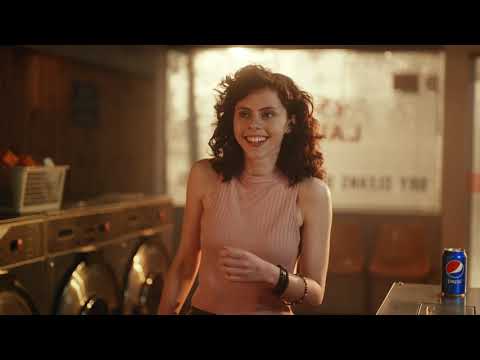
Controversial Example: Pepsi faced criticism when a commercial directed by a popular influencer was perceived as trivializing social movements, demonstrating how personal vision can deviate from corporate sensitivity.
Pepsi Influencer-Led Commercial (2020):
3. Amplified Reputational Risk
The association with an influencer is a reputation bet. If the creator faces controversies or scandals, the brand becomes directly linked. This risk is particularly acute in takeovers, where the collaboration is deeper than a simple sponsorship.
4. Ephemeral Virality vs. Sustainable Value
A takeover can generate immediate buzz without building long-term brand equity. The strategic challenge lies in channeling temporary attention toward sustainable consumer relationships beyond the campaign cycle.
📜 Historical Analysis: The Path to Creative Direction
The 2000s: The Dominance of Traditional Celebrities
Television advertising was dominated by celebrities from film, music, or sports who lent their image in exchange for economic compensation, with little or no creative control over the content.
The 2010s: The Rise of the Digital Creator
Platforms like YouTube and Instagram democratized content creation, giving way to the first takeovers on social media. Brands began experimenting by temporarily handing over their accounts to creators, discovering the power of digital authenticity.
Early 2020s: TikTok and the Consolidation of the Creator as Director
TikTok accelerated this trend by prioritizing authenticity over polished production. Brands began to see creators not only as faces but as natural creative directors for connecting with young audiences.
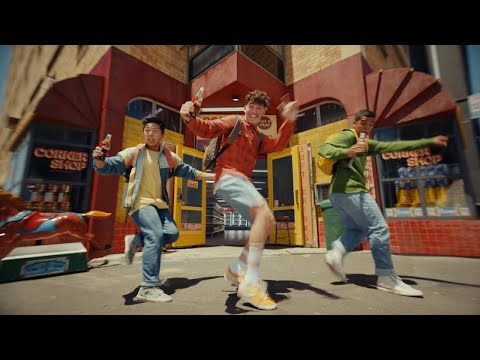
Innovative Example: Coca-Cola implemented a campaign where multiple creators from different platforms collaborated on developing an integrated commercial, marking an inflection point in the industry.
Coca-Cola Creator Takeover Campaign (2021):
2026: The Normalization of Creative Takeovers
Today, takeovers have matured from risky experiments to strategic components in global marketing plans. Brands establish specific departments to manage these collaborations, with sophisticated metrics to evaluate their impact beyond immediate engagement.
✅ Conclusion: The Blurred Frontier
Influencer takeovers represent more than a marketing tactic; they symbolize a philosophical change in the relationship between brands and consumers. By ceding creative control, companies recognize that authenticity cannot be manufactured—it can only be facilitated.
This strategy has proven its power to connect with skeptical audiences, particularly younger generations who have developed immunity to traditional advertising. However, its successful implementation requires nuanced management that balances creative freedom with brand integrity.
The case of television takeovers directed by influencers definitively proves that the frontier between traditional advertising and digital marketing has blurred irreversibly. In the current landscape, the most effective content is not what seems most professional, but what feels most human. Brands that understand this paradox—that sometimes more control is gained by giving it up—are redefining what it means to advertise in the digital age.
The future points toward increasingly integrated collaborations, where creators will not be hired for campaigns but will become long-term creative partners in the narrative construction of brands. In this new paradigm, authenticity is no longer a desirable attribute but the fundamental currency of advertising exchange.
Discover effective strategies for conducting market research to enhance your campaigns. Learn how to gather insights that drive successful marketing decisions.
Discover how visuals enhance advertising effectiveness, capturing attention and driving engagement. Explore the science behind impactful visual strategies.
Discover the art of crafting a compelling brand story that connects with your audience. Learn essential tips to elevate your brand's narrative and impact.
Discover the science behind virality and learn why even million-dollar ads can fail. Uncover key factors that drive successful marketing campaigns.
Discover how drones revolutionized car commercials with stunning aerial shots, enhancing visual storytelling and capturing audience attention like never before.
Discover the most iconic denim ads of the mid-2000s that defined a generation. Explore fashion trends and nostalgia in our comprehensive flashback collection.
Discover the origins of social media marketing with insights into how Facebook and Twitter revolutionized online engagement and brand promotion.
Discover the quirkiest candy ads from 2005 and take a nostalgic journey through forgotten snacks that once delighted taste buds.
Explore the vibrant world of classic iPod and Y2K tech ads. Discover how neon marketing shaped a generation and influenced today's digital landscape.
Discover why inclusive casting is crucial for brands in 2026. Embrace diversity to enhance your brand's image and connect with a broader audience.
Explore the latest trends in mental health advertising. Analyze modern visual tones and discover how they impact audience perception and engagement.