
The transition between the second and third millennium was charged with a unique cultural energy. The Y2K era, spanning from the late 1990s to the mid-2000s, was a period of vibrant paradoxes: the fear of the "millennium bug" coexisted with an overflowing optimism toward a digital future full of promises. This tension between the analog and the digital, between fear and hope, was spectacularly embodied in the technology advertising of the time. Brands were no longer just selling devices; they were selling portals to a new lifestyle. In this landscape, Apple's iPod ads emerged as iconic beacons of a defining aesthetic, while giants like Microsoft, Sony, Nokia, and Motorola fought their own battle to capture the imagination of a generation that believed the bright, neon-filled future had finally arrived.
🎧 The iPod Phenomenon: When the Silhouette Became an Icon
The Genius of Disruptive Minimalism
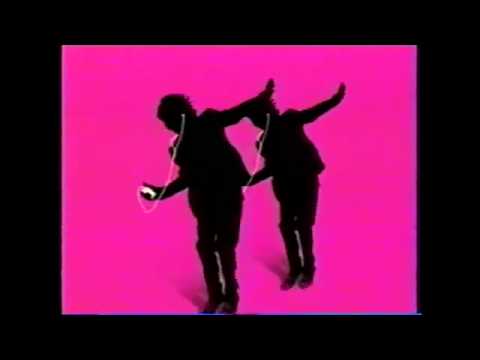
In 2003, Apple, which had already revolutionized computer design with the translucent-colored iMac, redefined the codes of technology marketing again with the iPod silhouette campaign. In a market saturated with ads shouting technical specifications (MB capacity, weight, battery life), Apple chose the opposite: visual silence and pure emotion.
The Visual Formula: Black, anonymous figures dancing with frenetic energy against solid neon-colored backgrounds (electric pink, lime green, cyan blue). The only recognizable, bright detail: the iconic white iPod earbuds and the device itself, which appeared as a small white rectangle. This radical simplicity created an unforgettable chromatic and conceptual contrast.
The Soundtrack of a Generation: Apple didn't choose background music; it chose protagonist soundtracks. Songs from artists like U2 ("Vertigo"), Gorillaz ("Feel Good Inc."), Jet ("Are You Gonna Be My Girl"), and The Black Eyed Peas transformed the 30-second commercials into aspirational music videos. The music was the message: the iPod wasn't an MP3 player; it was the key to a personal world of epic soundtrack.
The Underlying Message: Freedom, individuality, and movement. By hiding the figures' faces, Apple universalized the experience. Anyone could project themselves onto that silhouette. The focus was on the sensory and emotional experience of immersing yourself in your own music, not on the bits and bytes that made it possible.
Apple iPod Silhouette Commercial (2003):
The Immediate Cultural Impact
The campaign was a cultural tsunami. The white earbuds instantly became a symbol of status and musical taste, instantly recognizable. The "silhouette" style was imitated, parodied, and admired. Apple achieved what few brands do: transforming an electronic device into a cultural desire object, as much fashion as functional. The iPod ceased to be a gadget to become the centerpiece of a youthful, modern identity.
💻 The Y2K Ecosystem: The Race for the Neon Future
While Apple dominated the personal music realm, the rest of the tech industry strove to package the excitement of the new millennium into their own products.
Microsoft Windows XP: "Prepare to Fly"
The launch of Windows XP in 2001 was one of the era's most significant moments. Its advertising campaign, accompanied by the iconic theme "Start Me Up" by The Rolling Stones in earlier versions, evolved toward an optimistic, bright aesthetic focused on human connectivity.
Visual Aesthetic: Backgrounds of infinite blue skies, the Windows XP logo floating like a banner, and a focus on the end-user experience connecting with the world. The colors were pure and luminous, moving away from the corporate gray of the past. The famous launch commercial showed a journey from space to Earth, ending in a home where people of all ages used XP to create, connect, and explore.
Key Message: Microsoft sold the idea of democratized digital power. Windows XP wasn't just an operating system; it was an "experience" that let you "do more." Its slogan "Yes you can" encapsulated the era's spirit of technological empowerment.
Microsoft Windows XP Launch Ad (2001):

Sony: Nostalgia for the Future with Walkman and Discman
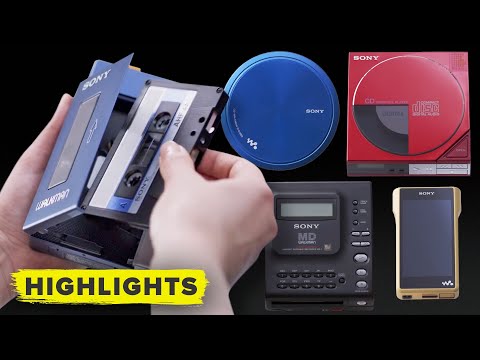
Sony, the former king of portable music with its Walkman, tried to compete in the new era with a retro-futuristic aesthetic. Its commercials for devices like the Network Walkman (an MP3 player) or the last Discmans used metallic colors, digital graphics, and a sense of speed.
The Challenge: Despite its hardware quality, Sony failed to create a cultural narrative as powerful as Apple's. Its ads often focused on the device itself and its features, rather than the transformative experience it offered. They lacked the iconic minimalism and direct emotional connection of the iPod silhouettes.
Sony Walkman Neon Campaign (2002):
Nokia and Motorola: The Phone as a Neon Fashion Accessory
The cell phone wars in the 2000s were as fierce as those of music players. Brands like Nokia and Motorola embraced the Y2K aesthetic to sell not just a means of communication, but a symbol of social identity.
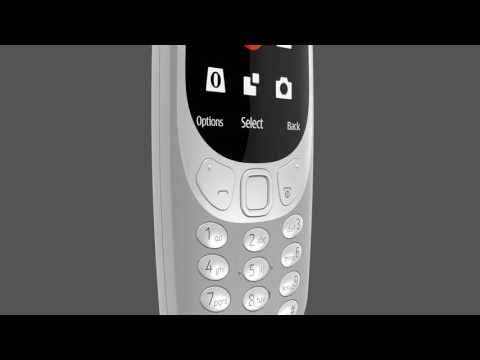
Nokia 3310 and the SMS Era: Nokia ads showed dynamic young people in urban environments, exchanging SMS with the famous alert tone, playing Snake, and personalizing their phones with colored faceplates. The aesthetic was one of youthful fun and constant connection, with a touch of almost mythical durability.
Motorola Razr V3: The "Wow" Factor: The launch of the Motorola Razr in 2004 was a design milestone. Its commercials exuded metallic and futuristic sophistication. With its slim profile and aluminum finish, it was promoted as a luxury and high-tech object. The ads used cool tones, light reflections, and an aura of exclusivity, appealing to an audience that saw the phone as a cutting-edge fashion accessory.
Nokia 3310 Y2K Commercial:
Motorola Razr Neon Ad (2004):

📊 Comparison Table: Two Approaches for a Millennium
| Visual Style | Silhouettes + neon backgrounds, extreme minimalism | Bright futurism, metallic, digital typography, motion graphics |
| Message Focus | Emotional experience (music, freedom, personal style) | Technical features, global connectivity, processing power |
| Cultural Impact | Global icon, defined a generational aesthetic, integral part of pop culture | Moderate, more associated with the specific product and its moment, less enduring |
| Engagement | Very high (organic virality, popular soundtracks, emotional identification) | Medium to High (depended on product innovation, like the Razr, or ubiquity, like Windows XP) |
| Legacy | Remains the gold standard for emotional tech marketing | Inspired the era's aesthetic, but its influence diluted with technological changes |
🔑 Expert Insights: Deconstructing the Y2K Magic
Apple's Success: "Apple understood that in the transition to digital, people weren't buying technology; they were buying feelings of belonging, freedom, and self-expression," analyzes design historian Clara Méndez. "The iPod was the object, but the campaign sold membership to a cool club. The silhouettes were anonymous so that you, the viewer, could occupy that space. It was a brilliant act of inclusive advertising."
Aesthetic as Reflection of Anxiety: "Neon, flat color backgrounds, 'technological' typography... it was all a way to domesticate the future," opines cultural sociologist Pablo Rossi. "The 'millennium bug' had generated fear of the unknown digital. This advertising responded by painting that digital future in bright, simple, cheerful colors. It was a chromatic utopia to calm technological anxiety."
⚠️ Risks and Limitations of the Neon Bubble
Saturation and Loss of Impact
By 2005, the Y2K aesthetic began to show signs of exhaustion. The excess of neon, digital 'energy' graphics, and grandiose slogans had saturated the market. What once seemed fresh and futuristic started to be perceived as generic and repetitive.
The Expiration of "Futurism"
The biggest risk of anchoring a campaign to a "future" aesthetic is that the future arrives. By 2007, with the iPhone launch, technology aesthetics would take a radical turn toward sophisticated minimalism, touch screens, and a focus on app connectivity. The neon exuberance of the early 2000s suddenly seemed from the past.
Competition and Dilution
Many brands, seeing the iPod's success, tried to copy its look and feel without capturing its essence. This led to a proliferation of ads with dark figures and colored backgrounds that, lacking Apple's powerful narrative, ended up diluting the strength of the very style they tried to emulate.
📜 Historical Lineage: From Green Terminal to Pink Neon Background
1980s: Functional and specification-driven tech advertising. Green terminal screens, feature lists, aimed primarily at a business and specialized audience.
1990s: Color and the concept of "multimedia" and "connectivity" arrive. Home PC ads show happy families using CD-ROMs. Color emerges, but with a still familiar and practical tone.
Y2K Era (2000-2005): Explosion of emotional futurism. Technology becomes personalized, mobile, an extension of identity. Neon, pop music, and iconic minimalism dominate. A promise of a digital lifestyle is sold.
Post-iPhone Era (2007 onward): The focus returns to a more sophisticated and organic minimalism. White backgrounds, polished aluminum, focus on interface and seamless experience. The aesthetic calms down and becomes more "adult."
2020s - 2026: The Nostalgic Renaissance. The Y2K aesthetic is rediscovered and celebrated as "retro-futurism." Its innocence, colors, and optimism clash refreshingly with today's complex world. Fashion, music, and even technology brands are again inspired by its codes to connect with Millennial nostalgia and Generation Z.
✅ Conclusion: The Luminous Imprint of a Future That Once Was
The technology advertising of the Y2K era, crowned by the iconic iPod ads, represents a moment of creative purity at the intersection of technology, culture, and emotion. It was a period when brands dreamed aloud in bright colors about the future, and consumers believed in that dream.
Apple showed that the path to the market's heart wasn't through megapixels and megahertz, but through dancing silhouettes, white earbuds, and an impeccable soundtrack. Meanwhile, the rest of the industry built the stage of neon and digital optimism upon which this icon could shine.
Today, in 2026, the legacy of this era is twofold. On one hand, there is its concrete influence: the understanding that technology must be sold as an emotional and lifestyle experience, a lesson that endures. On the other, there is its nostalgic legacy: the Y2K aesthetic has become a coded visual language, a "vintage futurism" that evokes an era of carefree digital optimism. It reminds us of a time when the future wasn't an algorithmic threat, but a bright, dancing, colorful promise that fit in the pocket of your jeans.
Discover why inclusive casting is crucial for brands in 2026. Embrace diversity to enhance your brand's image and connect with a broader audience.
Explore the latest trends in mental health advertising. Analyze modern visual tones and discover how they impact audience perception and engagement.
Explore how shocking visuals in advertising can raise awareness about climate change and drive social impact. Discover the power of impactful imagery today.
Discover the best social awareness campaigns of 2026, featuring impactful PSAs that inspire change and promote important causes.
Discover how ESPN and Sky Sports are revolutionizing marketing strategies for the 2026 sports season. Stay ahead with the latest insights and trends.
Discover the evolution of movie trailers with the 5-Second Teaser Trend. Explore how brevity is reshaping cinematic marketing and audience engagement.
Explore the 2026 Disney+ marketing analysis, where nostalgia intertwines with new IP, shaping the future of streaming and audience engagement.
Discover Netflix's 2026 teaser strategy and learn how to create buzz in just 30 seconds. Uncover the secrets to effective hype-building techniques.