
Representation in media has come a long way from the stereotypical supporting roles and homogeneous casts of the 20th century. In 2026, the conversation has evolved from an ethical debate to an indisputable strategic imperative for brand survival and relevance. Inclusive casting is no longer a gesture of political correctness or a simple checkbox on a corporate social responsibility list; it is a fundamental tool for authentic connection, trust-building, and market expansion. This article explores how diversity in casting has solidified as the new standard, analyzing its foundations, its transformative impact, and the challenges of implementing it with the authenticity that global audiences demand.
🌍 The Four Pillars of Inclusive Casting in 2026
1. Authenticity and Trust: The New Brand Currency
The 2026 audience is the most diverse, informed, and critical in history. Consumers, especially younger generations (Millennials, Gen Z, and Alpha), possess an infallible radar for detecting inauthenticity. It is no longer enough to include a diverse face in a crowd background; representation must be intentional, respectful, and narratively relevant.
When a campaign organically shows people of different races, ethnicities, genders, sexual orientations, body types, ages, and abilities, it sends a powerful message: "We see you, we understand you, and we value you." This validation builds deep and lasting trust, transforming consumers into brand advocates. Conversely, omission or superficial representation is interpreted as a deliberate disconnect, generating distrust and rejection.
2. Social and Psychological Impact: Beyond the Screen
Inclusion in advertising transcends the commercial to have a tangible impact on society. Studies in social psychology and media demonstrate that positive and diverse representation:
Reinforces self-esteem and sense of belonging in historically underrepresented groups.
Expands professional aspirations of children and youth by showing role models in diverse roles.
Educates and generates empathy in the majority, challenging unconscious biases and normalizing diversity as part of the everyday social fabric.
A brand that understands and embraces this power doesn't just sell a product; it positions itself as a positive agent of cultural change, a role that consumers reward with loyalty.
3. The Financial Incentive: Diversity as a Growth Engine
Inclusion has ceased to be seen as a "cost" or a "risk" to become a proven growth strategy. Compelling research, such as the UCLA Hollywood Diversity Report, has demonstrated a direct correlation between on-screen diversity and box office/audience success. Productions with casts reflecting between 21% and 30% racial/ethnic minorities tend to achieve the highest global revenues.
The logic is clear: a diverse cast attracts a broader spectrum of viewers. A Latinx family will feel more inclined to support a film where they see themselves represented; the same applies to advertising campaigns. In a globalized world, brands that speak a universal and inclusive visual language maximize their reach and revenue potential.
4. Global Reach in the Platform Era
The explosion of streaming platforms like Netflix, Amazon Prime, and Disney+ has redefined the landscape. Their business model depends on massive subscriptions from every corner of the planet. To achieve this, they need content that resonates locally and globally. Series like "Squid Game" (South Korea) or "Lupin" (France) demonstrated that stories with diverse, authentic casts can become global phenomena.
Traditional brands have learned from this. A campaign for a global product can no longer focus on a single demographic profile. It must be a mosaic of humanity that anyone, anywhere, can look at and find a reflection, even if partial, of themselves or their community.
📊 Comparative Table: The Paradigm Shift
| Representation | Limited to a narrow demographic profile (white, cisgender, young, without apparent disability). | Broad spectrum of identities: racial, ethnic, gender, LGBTQ+, body, generational, and ability diversity. |
| Audience Connection | Superficial relationship, based on aspiration to a single ideal. | Deep emotional resonance with multiple groups that feel seen and validated. |
| Narrative | Predictable stories, centered on dominant experiences, often with stereotypes for diverse characters. | Authentic, rich, and multidimensional stories where diversity is an organic part of the plot, not an ornament. |
| Financial Impact | Moderate revenue, limited to main markets. | Greater potential for global revenue and higher brand loyalty, by connecting with emerging markets and niches. |
| Main Risks | Perception of irrelevance, cultural disconnect, accusations of being outdated. | Tokenism and appropriation if diversity is superficial or poorly executed. Authenticity is key. |
🔑 Paradigmatic Examples of Impact
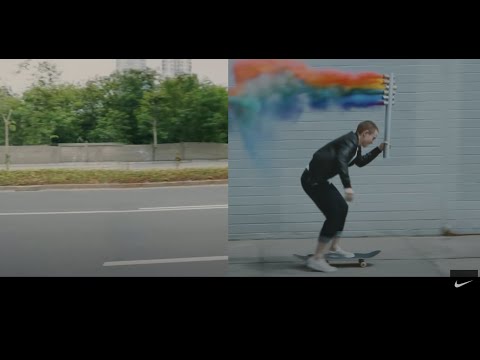
Nike "You Can't Stop Us": Unity in Diversity
At a time of deep global social division, Nike launched one of the most powerful campaigns about unity through sport. Using clever split-screen, the commercial paired the movements of athletes of different genders, races, disciplines, and ability levels, showing that our human effort is universal.
Why It Works: Diversity is not the topic of the campaign; it is its natural language. It's not about "including for the sake of including," but about showing how sport, in its purest essence, is a space where all identities converge in the pursuit of excellence. It is inclusive without being didactic, powerful without being exclusive.
Nike “You Can’t Stop Us” Diversity Campaign:
CoorDown "Assume That I Can": Challenging Prejudices from Authenticity
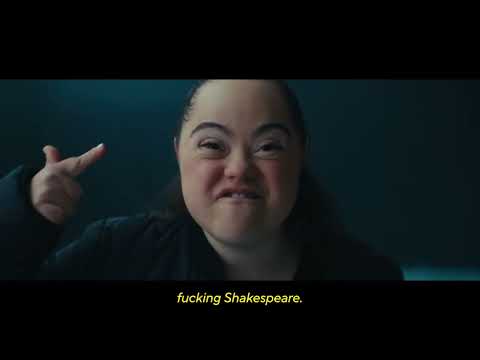
The Italian organization CoorDown, advocating for the rights of people with Down syndrome, has produced some of the world's most moving and effective ads. Its campaign "Assume That I Can" featured actors with Down syndrome in everyday and aspirational situations, dismantling with humor and tenderness the prejudices of low expectations.
Why It Works: The casting is inherently authentic. People with Down syndrome are not used as symbols of passive inspiration; they are the active protagonists of their own narrative, with complex personalities, dreams, and frustrations. The campaign educates and moves because it starts from reality, not charity.
CoorDown “Assume That I Can” Inclusion PSA:
⚠️ Critical Risks: When Inclusion Fails
Tokenism: The Enemy of Authenticity
The biggest risk is falling into tokenism: the practice of including a person from a minority group in a symbolic and superficial way, only to "fill a quota" and avoid criticism. A character whose only trait is their diverse identity, without depth, development, or relevance to the story, is counterproductive. Audiences perceive it as manipulation and disrespect, generating greater rejection than omission would cause.
Cultural Errors and Harmful Stereotypes
Representation based on superficial research or assumptions can perpetuate harmful stereotypes. Using accessories, accents, or cultural contexts incorrectly or in a caricatured manner not only damages the campaign's credibility but offends the community it intends to represent. Consulting with members of represented communities and hiring diverse creators behind the camera are essential to avoid these errors.
The Balance: Integration vs. Exploitation
Diversity must feel integrated, not imposed. If a campaign looks like a catalog of disconnected identities, it fails in its purpose. The creative challenge is to weave different identities into a coherent and organic narrative where diversity enriches the story, not distracts from it.
📜 Historical Evolution: From Exclusion to Standard
1980s-1990s: The Era of the Homogeneous Protagonist. Main casts were overwhelmingly white, heterosexual, and without disabilities. Diversity, when it existed, was relegated to comedic, service, or exotic roles.
2000s: The Symbolism of Celebrity. Brands and studios began to include minority celebrities in leading roles or as ambassadors. It was a step forward, but it was often a symbolic gesture that did not translate into systemic representation behind the camera or in diverse narratives.
2010s-2020s: The Tipping Point. Films like "Black Panther" (2018) and "Crazy Rich Asians" (2018) demonstrated the massive commercial and cultural power of authentic inclusive casting. In advertising, campaigns like Dove's "Real Beauty" and Always' "Like a Girl" began to normalize body and gender diversity.
2026: Strategic Normalization. Inclusion is no longer the exception that breaks records; it is the expected operational standard. It is driven by three forces: 1) Consumer demand, which votes with their wallets; 2) Financial data, which proves its profitability; and 3) Global awareness, accelerated by social media giving voice to representation demands worldwide.
✅ Conclusion: Inclusion as the Language of the Future
In 2026, inclusive casting has ceased to be an option to become the fundamental language of effective marketing. It is not a passing trend, but a structural adjustment to the demographic and psychological reality of the contemporary world.
Brands that embrace it intelligently and authentically reap tangible benefits: broader and more loyal audiences, richer and more credible narratives, and a position of cultural leadership. Those that resist, whether due to inertia, fear, or simple myopia, risk appearing anachronistic, irrelevant, and disconnected from the human pulse of the 21st century.
The future belongs to brands that understand that true diversity is not just about who you put in front of the camera, but about what stories you choose to tell and how you choose to tell them. It is the difference between simply appearing in the market and truly belonging to the world.
Discover effective strategies for conducting market research to enhance your campaigns. Learn how to gather insights that drive successful marketing decisions.
Discover how visuals enhance advertising effectiveness, capturing attention and driving engagement. Explore the science behind impactful visual strategies.
Discover the art of crafting a compelling brand story that connects with your audience. Learn essential tips to elevate your brand's narrative and impact.
Explore the latest trends in mental health advertising. Analyze modern visual tones and discover how they impact audience perception and engagement.
Explore how shocking visuals in advertising can raise awareness about climate change and drive social impact. Discover the power of impactful imagery today.
Discover the best social awareness campaigns of 2026, featuring impactful PSAs that inspire change and promote important causes.
Discover how ESPN and Sky Sports are revolutionizing marketing strategies for the 2026 sports season. Stay ahead with the latest insights and trends.
Discover the evolution of movie trailers with the 5-Second Teaser Trend. Explore how brevity is reshaping cinematic marketing and audience engagement.
Explore the 2026 Disney+ marketing analysis, where nostalgia intertwines with new IP, shaping the future of streaming and audience engagement.
Discover Netflix's 2026 teaser strategy and learn how to create buzz in just 30 seconds. Uncover the secrets to effective hype-building techniques.
Discover how "hidden gems" are transforming tourism marketing strategies in country ads, attracting travelers to unique and lesser-known destinations.