
For over a century, tourism advertising operated on a simple, universal formula: showcase the iconic. The Eiffel Tower, the Colosseum, the Statue of Liberty—these monuments became visual shorthand for entire nations, promising travelers a recognizable, prestige-filled experience. By 2026, however, this playbook has been decisively rewritten. The dominant trend in global tourism marketing is no longer the celebration of the famous landmark, but the strategic revelation of the "hidden gem." This profound shift—from crowded plazas to secluded villages, from bucket-list checkmarks to deeply personal discovery—reflects a fundamental transformation in traveler psychology, destination management, and the very economics of modern exploration.
The Drivers of the "Hidden Gem" Revolution
The pivot toward lesser-known destinations is not a fleeting creative trend but a necessary evolution driven by powerful converging forces.
The Crisis of Overtourism: Iconic sites from Venice to Machu Picchu have become victims of their own success, buckling under the strain of unsustainable visitor numbers. Marketing these sites further only exacerbates the problem. In response, national tourism boards are now acting as traffic controllers, using advertising to intentionally redirect visitor flows toward less-visited regions, preserving their crown jewels while building new economic engines.
The Ascendancy of the Experience Economy: For Millennial and Gen Z travelers, value is measured in authenticity and unique stories, not photographed landmarks. They seek transformation, not just transportation. A homestay with a local family, a workshop with a traditional artisan, or a hike through an unnamed valley holds more appeal than waiting in a two-hour queue for a panoramic view. Advertising has shifted to sell these narratives of immersion and personal growth.
Sustainability as a Core Value: Modern travelers are increasingly conscious of their footprint. Promoting dispersed travel to rural and regional areas is framed as a sustainable choice—one that supports local economies, reduces environmental pressure on honeypot sites, and fosters a more equitable distribution of tourism revenue. The "hidden gem" ad is often an implicit promise of a more responsible journey.
The Social Media Algorithm's Hunger for Novelty: In the attention economy of Instagram and TikTok, a photo of the Taj Mahala is a common artifact. A video of a vibrant local festival in a remote Rajasthani village or a serene morning in an untouched Portuguese fishing cove is novel content. Tourism boards now craft campaigns specifically designed to be "discoverable" and shareable on social platforms, feeding the algorithm's desire for fresh, unexplored visuals.
Case Studies: Nations Rewriting Their Narratives
New Zealand: From Pure Landscapes to Pure Encounters
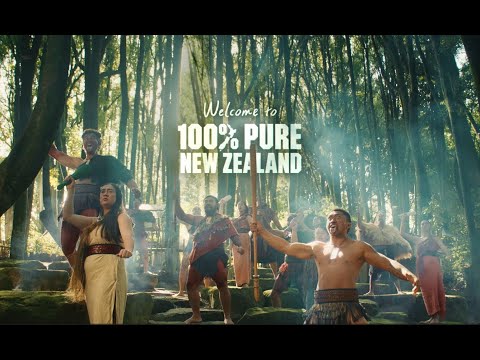
New Zealand’s legendary "100% Pure" campaign has evolved beyond sweeping shots of Fiordland. The 2026 iteration delves deeper, spotlighting remote eco-trails accessible only by guided Māori operators, stays in off-grid wilderness lodges, and immersive whakapiri (connection) experiences with indigenous communities. The message is no longer just about seeing untouched nature, but about forming a respectful relationship with it through authentic cultural gatekeepers.
YouTube:
Australia: Beyond the Reef and the Opera House
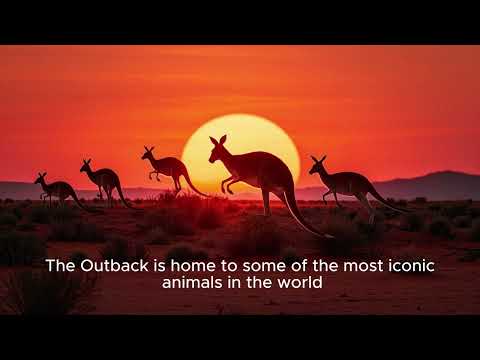
Tourism Australia has masterfully decentralized its appeal. Campaigns now highlight the ancient cultural wisdom of Aboriginal guides in the Daintree, the otherworldly landscapes of the Kimberley, and the vibrant artisan scenes in towns like Hobart or Bendigo. The iconic sights are still there, but the advertising energy is invested in portraying Australia’s profound depth and diversity, positioning the outback and regional hubs as destinations of equal, if not greater, resonance for the curious traveler.
YouTube:
Spain: The Tapestry of Regions
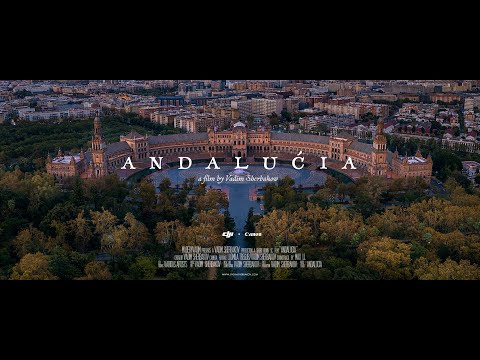
Moving decisively beyond the Barcelona-Madrid axis, Spain’s promotional efforts have become wonderfully regional. Campaigns celebrate the pueblos blancos of Andalusia, the avant-garde cuisine of the Basque Country beyond San Sebastián, and the rugged, less-trodden coasts of Asturias. These ads sell a slower, more tactile Spain built on personal connections, culinary discovery, and village life.
YouTube:
Japan: The Soul of the Countryside
In response to overtourism in Kyoto and Tokyo, Japan actively promotes its rural prefectures. Ads feature the serene thatched-roof villages of Shirakawa-go, the spiritual trails of the Kumano Kodo, and the ceramic artisans of Oita Prefecture. The focus is on omotenashi (heartfelt hospitality) and monozukuri (craftsmanship) in settings where tradition feels lived, not performed.
Comparison: The Old World vs. The New World of Travel Advertising
| Primary Focus | Iconic monuments, capital cities | Lesser-known towns, rural landscapes, local life |
| Emotional Appeal | Prestige, recognition, "I was there" proof | Authenticity, discovery, personal transformation |
| Target Audience | Mass-market, first-time tourists | Experienced, values-driven, repeat travelers |
| Key Risk | Contributing to overcrowding and homogenization | Overexposing delicate places, infrastructure strain |
| Sustainability | Low; concentrates impact | High; promotes dispersion and local benefit |
Expert Analysis: The Psychology and Precision of the New Campaigns
The effectiveness of hidden gem marketing lies in its sophisticated appeal to both emotion and data.
The "Insider" Psychology: These campaigns make travelers feel like pioneers or informed insiders, tapping into a powerful sense of exclusivity and discernment. They promise not just a vacation, but a story of discovery that sets the traveler apart.
Data-Driven Dispersion: Tourism boards use geolocated social media data and traveler flow analytics to identify regions with high potential but low visibility. Advertising is then deployed as a precision tool to catalyze interest in these specific areas, often in partnership with local stakeholders to ensure readiness.
Narrative over Checklist: The storytelling is intimate and sensory. You can almost taste the local cheese, feel the texture of the hand-woven textile, hear the dialect in the village square. This creates a deeper, more memorable emotional pull than a distant shot of a famous building.
Navigating the Risks:
The strategy is not without peril. The term "hidden gem" is inherently paradoxical—successful marketing can swiftly lead to over-tourism, destroying the very authenticity that was sold. Destinations must invest in infrastructure and management plans concurrently with promotion. Furthermore, ads must avoid veering into "poverty tourism" or presenting curated local life as a consumable product, which can breed resentment.
The Historical Evolution: From Brochures to Algorithms
The rise of the hidden gem ad is the latest chapter in a long evolution:
Mid-20th Century: Travel was luxury-oriented, advertised through glamorous posters and brochures featuring iconic sights.
The Jet Age (70s-90s): Mass tourism grew, and ads promoted package deals centered on major attractions.
The Digital Revolution (2000s-2010s): Platforms like TripAdvisor democratized reviews, and Airbnb’s "Belong Anywhere" ethos shifted desire toward living like a local.
The Sustainable Pivot (2020s): Climate concerns and overtourism crises forced a reckoning. Marketing began to emphasize responsibility.
2026 - The Age of Curated Discovery: Today's campaigns synthesize these lessons. They are data-informed, platform-optimized, sustainability-led, and narratively driven to promote dispersed, authentic, and deeply rewarding travel.
Conclusion: Redefining the Map of Desire
The shift from landmark-centric to "hidden gem" tourism advertising marks a mature new phase for the industry. It acknowledges that the world's most famous sites are fragile, and that true travel wealth lies in a country's diversity and depth. In 2026, the most forward-thinking destinations market not a single postcard image, but a rich tapestry of experiences, empowering travelers to become conscious explorers rather than passive consumers.
This evolution offers a masterclass in modern advertising: it shows how brands—in this case, entire nations—can use storytelling to solve practical problems (overtourism), align with consumer values (sustainability), and create more meaningful, lasting relationships with their audience. The future of travel isn't about finding what's already on the map; it's about being invited to help write the next, more interesting chapter.
A Brief History of Modern Tourism Ads on YouTube
New Zealand “100% Pure” Campaign Evolution:
Watch YouTube videoTourism Australia "Hidden Gems of the Outback" 2026:
Watch YouTube videoSpain: The Andalusian Villages Campaign 2026:
Watch YouTube videoCosta Rica Rainforest Lodge & Community Focus 2026:
 Watch YouTube video
Discover effective strategies for conducting market research to enhance your campaigns. Learn how to gather insights that drive successful marketing decisions.
Discover how visuals enhance advertising effectiveness, capturing attention and driving engagement. Explore the science behind impactful visual strategies.
Discover the art of crafting a compelling brand story that connects with your audience. Learn essential tips to elevate your brand's narrative and impact.
Discover why hotel branding focuses on guest experience over room features. Learn how modern advertising strategies can elevate your hotel's appeal.
Discover Royal Caribbean's innovative visual strategy in cruise line campaigns. Explore how captivating imagery enhances guest experiences and drives bookings.
Discover the future of luxury travel with our in-depth comparison of Emirates and Qatar Airways for 2026. Explore ads, services, and innovations.
Discover the top 5 brands revolutionizing advertising in 2026 with stunning 3D characters. Explore how animation enhances engagement and brand storytelling.
Discover how iconic songs shape global advertising campaigns and enhance brand storytelling. Explore the powerful connection between music and marketing success.
Discover the best black-and-white ads of 2026, showcasing the power of minimalism in advertising. Explore creativity and impact in every design.
Discover how K-Pop stars master product placement in South Korea, blending music and marketing seamlessly to captivate global audiences.
Explore the bold and rebellious marketing strategies of Sega and Nintendo in the 90s. Discover how their iconic ads shaped a generation of gamers.