
In the high-stakes arena of modern advertising, where consumers are equipped with ad-blockers and short attention spans, brands are wielding a secret weapon that bypasses rational filters and speaks directly to the soul: music. In 2026, the strategic use of hit songs has evolved from a mere production choice to the very core of campaign architecture. A familiar melody or a trending beat is no longer just background; it is the emotional engine, the mnemonic device, and the cultural shibboleth that can transform a 30-second commercial into a shared, viral moment. This article explores how hit songs have become indispensable to global advertising success, examining the industries leading the charge and the psychological alchemy that makes a perfect song-brand marriage so potent.
The Strategic Symphony: Why Music Moves Markets
The power of a hit song in advertising is both primal and calculated. It operates on multiple levels to achieve what visuals alone cannot.
Instant Emotional Trigger & Memory Anchor: The human brain processes music in the limbic system, the seat of emotion and memory. A well-chosen hit song can evoke a pre-existing emotional state—nostalgia, joy, rebellion, longing—in seconds. This immediate emotional transfer imbues the brand with those feelings. Furthermore, music acts as a powerful mnemonic anchor; consumers are far more likely to remember an ad, and by extension the product, if it's tied to a memorable melody.
Cultural Currency & Instant Recognition: In a fragmented media landscape, a hit song is a rare piece of universal cultural currency. Using a track that's already trending on TikTok or dominating global charts grants a brand instant relevance and cuts through the noise. It signals that the brand is culturally literate and in tune with its audience's world. This recognition happens in the first few seconds, preventing the viewer from scrolling away.
Narrative Shorthand & Brand Personification: A song carries its own story, aura, and artist identity. By licensing it, a brand can borrow an entire narrative framework. A rugged rock anthem instantly communicates durability and authenticity for an automotive brand, while a sleek, futuristic electronic track can personify a tech company's innovative edge. The music does the heavy lifting of establishing brand personality without a word of voiceover.
Industry Orchestras: Who's Conducting the Hit Parade?
Different sectors leverage music's power in distinct ways, tailoring sonic strategies to their core brand missions.
1. Fashion & Luxury: Crafting Aura Through Sound
For fashion houses, music is the invisible thread that weaves together aesthetics and emotion. In 2026, brands like Calvin Klein mastered the "retro revival." By scoring campaigns with carefully selected city pop or 90s R&B tracks, they don't just sell clothing; they sell a meticulously curated vibe—a sense of intimate, timeless cool that resonates across generations.
YouTube:

Simultaneously, a brand like Dior elevates its storytelling to cinematic heights. Its campaigns feature original, orchestral scores that wouldn't be out of place in a prestige drama. This approach frames fashion as art and the wearer as the protagonist of an elegant, sweeping narrative, appealing to an audience that values heritage and high craftsmanship.
YouTube:

2. Automotive: Soundtracking Identity and Adventure
Car manufacturers use music to define the driving experience. Jeep's 2026 campaigns famously paired stark, monochrome visuals of its vehicles conquering rugged terrain with iconic rock anthems. The gritty, authentic sound of classic rock aligns perfectly with Jeep's brand identity of freedom, capability, and American heritage, transforming the car from a vehicle into a companion for adventure.
On the other end of the spectrum, Dacia used the bombastic, theatrical rock of Meat Loaf to market the Sandero. This humorous, self-aware pairing highlighted the car's reliability and everyday utility, making it feel relatable and honest rather than aspirational in a traditional luxury sense.
3. Technology: Scoring the Future
Tech brands score their innovations with sounds that feel innovative. Samsung's 2026 campaigns utilized hybrid electronic soundscapes—blending synthetic textures with organic elements. This sonic palette communicates cutting-edge innovation, sleek design, and a human-centric approach to technology, making complex devices feel intuitive and desirable.
YouTube:

4. Food & Beverage: The Beat of Global Youth Culture
This sector relies on music to generate energy and social currency. Pepsi's landmark 2026 campaign featuring BLACKPINK was a masterstroke in globalized marketing. By partnering with the world's premier K-pop group, Pepsi didn't just use a song; it tapped into a global fanbase and a youth-driven cultural movement. The music became the message of excitement, inclusivity, and global connection.
YouTube:
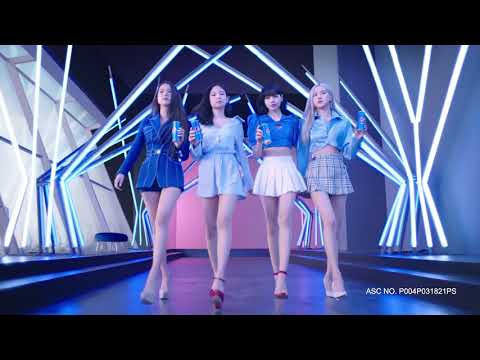
Coca-Cola, meanwhile, continues to align with universal feelings of joy and energy, often through upbeat, EDM-inspired tracks that soundtrack moments of connection and celebration, reinforcing its position as a pillar of youthful social life.
Hit Song vs. Original Score: The Strategic Choice
| Recognition & Speed | Immediate. Leverages pre-existing love and familiarity. | Slow build. Requires the ad itself to make it memorable. |
| Emotional Impact | Potent & Personal. Taps into the listener's own life memories. | Tailored & Specific. Precisely crafted to the ad's narrative arc. |
| Cost & Logistics | High. Major licensing fees and complex negotiations. | Variable. Lower upfront cost but requires time and creative talent. |
| Cultural Relevance | High. Embeds the brand directly into current pop culture. | Neutral. Avoids trends, focusing purely on brand story. |
| Key Risk | Mismatch or Overexposure. Song may overshadow product or feel inauthentic. | Anonymity. May fail to stand out or create a memorable hook. |
Expert Analysis: The Psychology and Pitfalls of Sonic Branding
The Science of Connection:
The effectiveness of hit songs is rooted in neuroscience. Music triggers the release of dopamine, creating a pleasurable association with the brand. It also activates the default mode network in the brain, involved in self-reflection and memory, making the ad feel personally relevant. This combination of pleasure and personal relevance is the holy grail of advertising.
Navigating the Risks:
The strategy is fraught with challenges. The high cost of licensing can be prohibitive. There's a significant risk of cultural mismatch—a song that doesn't align with the brand's values can create cognitive dissonance. Perhaps the greatest danger is oversaturation; if a song is used in multiple campaigns, its emotional power and unique association are diluted. Finally, brands must be wary of the artist's background, as any controversy can instantly tarnish the associated campaign.
The Historical Arc: From Jingle to Global Anthem
The use of music in advertising has undergone a profound evolution:
The Jingle Era (1950s-70s): Music was functional, with simple, repetitive tunes designed to brand products directly ("I'd Like to Buy the World a Coke").
The Classic Rock License (1980s-90s): Brands began borrowing cultural capital, using established hits to evoke emotion and coolness (Nike's use of The Beatles' "Revolution").
The Pop Star Partnership (2000s-2010s): Direct collaborations with artists became commonplace, blending advertising and music video aesthetics.
The Integrated Sonic Strategy (2020s-2026): Music is no longer an add-on but a primary campaign pillar. It is data-informed (using streaming trend analytics), platform-optimized (creating TikTok-friendly snippets), and often interactive, with songs driving full experiential marketing campaigns.
Conclusion: The Future Sounds Familiar
In 2026, the most successful advertisers understand that a campaign is not just seen—it is heard and felt. The strategic use of hit songs represents the maturation of advertising into a truly multi-sensory discipline. It acknowledges that in a digital age, cultural relevance is paramount, and nothing delivers that relevance faster than a shared song. The lesson for marketers is clear: the next time you storyboard a campaign, start not with a visual, but with a soundtrack. Find the song that doesn't just accompany your message but is the emotional embodiment of it. For in the crowded, noisy marketplace of the future, the brands that win will be the ones we not only remember but can't help but hum.
Discover effective strategies for conducting market research to enhance your campaigns. Learn how to gather insights that drive successful marketing decisions.
Discover how visuals enhance advertising effectiveness, capturing attention and driving engagement. Explore the science behind impactful visual strategies.
Discover the art of crafting a compelling brand story that connects with your audience. Learn essential tips to elevate your brand's narrative and impact.
Discover the best black-and-white ads of 2026, showcasing the power of minimalism in advertising. Explore creativity and impact in every design.
Discover how K-Pop stars master product placement in South Korea, blending music and marketing seamlessly to captivate global audiences.
Explore the bold and rebellious marketing strategies of Sega and Nintendo in the 90s. Discover how their iconic ads shaped a generation of gamers.
Explore the captivating world of retro automotive ads that defined "The American Dream." Discover how these iconic campaigns shaped car culture and consumer desires.
Discover the most iconic Pepsi vs. Coca-Cola ads from the 80s! Relive the nostalgia and see how these brands shaped pop culture through memorable campaigns.
Discover innovative IKEA small space solutions for 2026. Explore interior design inspiration that maximizes style and functionality in compact living areas.
Discover how the "humanization" trend is transforming pet food commercials, making them more relatable and appealing to pet owners. Explore the impact now!
Discover Hasbro's innovative marketing strategies for 2026, focusing on engaging Generation Alpha with captivating content and interactive experiences.