
In the saturated, scroll-driven media landscape of 2026, capturing attention is a monumental challenge. Brands have discovered a powerful solution not in hiring more celebrity spokespeople, but in creating them from scratch. The most compelling brand ambassadors of the year are not human; they are meticulously crafted 3D characters. From sleek digital avatars to playful, interactive mascots, these animated entities are revolutionizing advertising by offering something live-action often cannot: limitless flexibility, universal appeal, and the pure embodiment of brand identity. This trend marks the maturation of animation from a decorative gimmick to a core strategic tool for building emotional equity and immersive brand worlds.The Strategic Power of the Pixelated PersonaThe shift toward 3D characters is not an aesthetic whim but a calculated response to modern marketing imperatives. Their dominance is built on four foundational advantages:
Unparalleled Emotional Anchoring: A well-designed 3D character serves as a consistent emotional anchor. It can express a brand's personality—be it Nike's determined perseverance or Coca-Cola's joyful inclusivity—with every gesture and expression, forging a parasocial relationship with the audience that feels personal and direct.
Omniplatform Consistency and Adaptability: In an era where a campaign must live simultaneously on TikTok, in a VR brand experience, and on a Times Square billboard, a 3D character is the ultimate brand asset. It can be rendered in any style, for any format, without the limitations of actor schedules, aging, or off-screen controversies. The character is always on-brand and always available.
Gateway to Immersive Storytelling: 3D characters are natives of digital worlds. They allow brands to construct complete, immersive narratives that would be prohibitively expensive or impossible in live-action. They can float through fantastical environments, interact with impossible physics, and guide users through interactive AR experiences, transforming a passive ad into an engaging brand encounter.
Transcendent Global Appeal: Animation possesses a unique ability to cross cultural and linguistic boundaries. A character's emotions and intentions are communicated visually, minimizing reliance on dialogue. This allows global brands to deploy a single, coherent campaign worldwide, with only minor localization, ensuring a unified brand image from São Paulo to Seoul.
Apple’s foray into 3D character advertising is a masterclass in brand alignment. Eschewing traditional mascots, Apple employs sophisticated, often abstract, humanoid avatars and kinetic forms. In its 2026 campaigns, these sleek, minimalist characters interact with Apple products in serene, digitally rendered environments that highlight precision, innovation, and the seamless integration of technology into life. The animation isn't cartoonish; it's hyper-polished and elegant, mirroring the product design philosophy itself. The character becomes a visual metaphor for the user—connected, fluid, and at the center of a beautifully designed digital ecosystem.
YouTube:

Nike leverages 3D animation to do what it does best: glorify athletic endeavor. Its 2026 campaigns feature hyper-realistic, dynamic athlete characters that are less cartoon mascots and more digital ideals of human performance. These characters sprint through neon-drenched future cities or train in stylized, gravity-defying environments. The animation captures every strain of muscle and ripple of fabric, translating the brand's core value of "Just Do It" into a visceral, visual spectacle. The 3D athlete is an aspirational archetype, representing the peak of potential that Nike products promise to unlock.
YouTube:

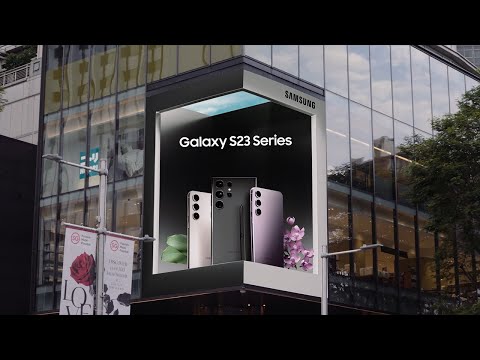
Samsung’s approach blends utility with imagination. A key 2026 initiative is the introduction of a 3D AI assistant character. This friendly, knowledgeable guide—often appearing in user interfaces and promotional videos—personifies Samsung's complex technology, making it approachable and helpful. This character doesn't just sell features; it demonstrates them in action within immersive, futuristic smart-home or cityscapes. Samsung uses its 3D characters to humanize AI and IoT, positioning the brand not just as a hardware manufacturer, but as an essential and benevolent companion in the digital age.
YouTube:
Coca-Cola has long understood the power of character-driven happiness. In 2026, it pushes this legacy into the interactive realm with playful, bulbous 3D mascots designed for Augmented Reality (AR). These characters, embodying fizz, fun, and togetherness, can appear in a user's living room through their smartphone, inviting them to play games or share a virtual Coke. This strategy brilliantly modernizes Coca-Cola's timeless message of connection. The 3D character becomes a vessel for shared experience, leveraging technology to create moments of pure, brand-aligned delight that feel personal and magical.
YouTube: [Note: A specific URL for the Coca-Cola AR mascot ad was not provided in the original list. The description is based on the stated strategy.]
5. McDonald’s: Nostalgia Re-renderedMcDonald’s harnesses the potent mix of nostalgia and innovation by reviving its classic Happy Meal characters in modern 3D. Characters like the Hamburglar or Grimace are reimagined with updated designs—softer, more expressive, and toy-like—that appeal to new generations while warming the hearts of parents. These characters star in family-friendly animated shorts and, crucially, live within McDonald's mobile app AR experiences, where kids can interact with them. This strategy reinforces brand loyalty across generations, using 3D animation as a bridge between cherished heritage and cutting-edge digital engagement.
YouTube: [Note: A specific URL for McDonald's 3D character spot was not provided. The analysis is based on the described campaign focus.]
Comparative Analysis: The Character Spectrum
| Apple | Sleek, abstract avatars in minimalist futures. | Tech-enthusiasts, design purists, premium seekers. | Innovation, Elegance, Seamless Integration. |
| Nike | Hyper-realistic, dynamic athlete archetypes. | Athletes, aspirational youth, sports culture. | Performance, Determination, Human Potential. |
| Samsung | Helpful AI guide characters in smart environments. | Tech-savvy families, early adopters, global consumers. | Innovation, Helpfulness, Future-Ready Trust. |
| Coca-Cola | Playful, interactive AR mascots for shared joy. | Mass-market, social sharers, playful demographics. | Happiness, Togetherness, Universal Fun. |
| McDonald’s | Nostalgic, toy-like characters updated for AR. | Families, children, multi-generational loyalists. | Familiarity, Joy, Family-Centric Connection. |
Expert Analysis: The Psychology and Pitfalls of Digital Stars
Why It Resonates: The Psychology of Connection
3D characters tap into fundamental cognitive processes. They offer simplified social cues that our brains are wired to read, making them highly relatable. Their consistency builds familiarity and trust, as they never have an "off" day. Furthermore, they allow for wish fulfillment and identification; audiences can project themselves onto Nike's perfect athlete or see a friend in Coca-Cola's cheerful sprite in a way that feels more flexible than with a human celebrity.
Navigating the Risks:
The strategy is not without its hazards. The market risks oversaturation as every brand jumps on the trend, leading to a sea of forgettable mascots. Poor execution—"uncanny valley" effects or cheap animation—can severely damage a brand's premium perception. Most critically, characters must be designed with cultural sensitivity to ensure their appeal is global and inclusive, avoiding stereotypes that could spark backlash.
The Historical Arc: From Mascot to Metaverse Native
The use of 3D characters represents the latest evolution in a long lineage. It connects directly to the mascot era of the mid-20th century (Tony the Tiger, The Michelin Man), where illustrated characters built brand familiarity. The 1990s and 2000s introduced CGI creatures in blockbuster ads, showcasing technical prowess. The 2010s saw the rise of digital brand avatars on social media. In 2026, we see the culmination: characters are no longer supporting actors but are strategic brand assets designed for an omnichannel, interactive, and often virtual world. They are built not just for commercials, but to be citizens of the emerging metaverse, ready to guide, entertain, and connect in the next frontier of digital interaction.
Conclusion: The Future is Animated
The embrace of 3D characters by the world's leading brands in 2026 signals a paradigm shift. Advertising is moving beyond simply presenting a product to constructing entire brand universes with relatable, iconic figures at their center. These characters are the bridge between corporate identity and human emotion, between physical products and digital experiences. As we look toward an increasingly virtual future, the brands that can successfully breathe life, personality, and soul into their digital creations will be the ones that don't just capture attention, but build enduring communities. The lesson for marketers is clear: in the story of your brand, your most valuable spokesperson might be one you dream up and render yourself.
Discover effective strategies for conducting market research to enhance your campaigns. Learn how to gather insights that drive successful marketing decisions.
Discover how visuals enhance advertising effectiveness, capturing attention and driving engagement. Explore the science behind impactful visual strategies.
Discover the art of crafting a compelling brand story that connects with your audience. Learn essential tips to elevate your brand's narrative and impact.
Discover how iconic songs shape global advertising campaigns and enhance brand storytelling. Explore the powerful connection between music and marketing success.
Discover the best black-and-white ads of 2026, showcasing the power of minimalism in advertising. Explore creativity and impact in every design.
Discover how K-Pop stars master product placement in South Korea, blending music and marketing seamlessly to captivate global audiences.
Explore the bold and rebellious marketing strategies of Sega and Nintendo in the 90s. Discover how their iconic ads shaped a generation of gamers.
Explore the captivating world of retro automotive ads that defined "The American Dream." Discover how these iconic campaigns shaped car culture and consumer desires.
Discover the most iconic Pepsi vs. Coca-Cola ads from the 80s! Relive the nostalgia and see how these brands shaped pop culture through memorable campaigns.
Discover innovative IKEA small space solutions for 2026. Explore interior design inspiration that maximizes style and functionality in compact living areas.
Discover how the "humanization" trend is transforming pet food commercials, making them more relatable and appealing to pet owners. Explore the impact now!