
In the global advertising arena, a seismic shift has originated from Seoul. South Korean K-Pop idols have transcended their roles as musicians to become the 21st century's most sophisticated and effective brand integration engines. Moving far beyond traditional celebrity endorsements, they have pioneered a new model where advertising is not an interruption, but the very fabric of entertainment. This seamless fusion of content and commerce has not only propelled the Hallyu (Korean Wave) but has rewritten the rules of product placement, making K-Pop idols the undisputed kings of a multi-billion-dollar advertising domain.
The Evolution: From Local Spokesmodels to Global Cultural Curators
The journey began in the early 2000s, with idols appearing in domestic television commercials for cosmetics, snacks, and mobile phones. These were straightforward endorsements. However, as K-Pop's gravitational pull strengthened worldwide, a transformation occurred. Brands and agencies realized an idol's value was not just their face, but their entire artistic universe. Today, groups like BTS and BLACKPINK are not mere brand ambassadors; they are global cultural curators. Their partnerships with titans like Samsung, Hyundai, Louis Vuitton, and Coca-Cola are less about signing a contract and more about forging a shared cultural narrative that plays out on a world stage.
Deconstructing the Korean Model: Why It Works So Powerfully
The superiority of the K-Pop product placement model rests on four revolutionary pillars that distinguish it from Western advertising conventions.
1. The "Content-mercial": Music Videos as Narrative Storefronts
The most potent tool in the K-Pop arsenal is the music video. Unlike Western placements that can feel jarring (a celebrity conspicuously drinking a branded soda), K-Pop integrates products into the story's DNA. A smartphone becomes a futuristic prop central to a dance sequence (BTS for Samsung), a luxury car is the backdrop for a moment of cinematic reflection (TXT for Hyundai), or a cosmetic is applied in a close-up that feels like intimate storytelling rather than a demo.
YouTube:

This turns the music video from a promotional cost center into a high-return advertising asset. The product is baked into aspirational content fans voluntarily watch billions of times, creating deep, subconscious associations.
2. The Engine of Parasocial Engagement
K-Pop is built on the cultivation of deep, pseudo-personal bonds between idols and fans. This parasocial relationship is advertising gold. When an idol uses a product, it doesn't feel like a paid recommendation; to the fan, it feels like a tip from a trusted friend or a glimpse into their idol's authentic life. This emotional leverage makes endorsements profoundly persuasive, driving a loyalty that transcends typical consumer behavior. Fans don't just buy a product; they buy a piece of the connection.
3. Omnichannel Storytelling & Fan Participation
The product narrative doesn't end with the music video. It flows seamlessly into live performances (outfits from luxury fashion houses), reality shows (idols eating or drinking sponsored items), and most critically, social media. Platforms like Weverse, Instagram, and TikTok are where fans actively participate. Brands create hashtag challenges, limited-edition collaborations, and behind-the-scenes content that turns passive viewers into active campaign participants and content co-creators.
4. Aesthetic Cohesion and Trendsetting Authority
K-Pop groups are meticulously crafted aesthetic universes. Every concept—from "girl crush" to "retro futuristic"—has a corresponding look, feel, and mood. When a brand aligns with a group, it doesn't just get an endorsement; it gets full immersion into that aesthetic. Idols are legitimate trendsetters in fashion, beauty, and tech. Their endorsement instantly grants a product "cool" credibility, especially with the coveted Gen Z and millennial demographics who see idols as cultural bellwethers.
K-Pop Idols vs. Traditional Celebrities: A New Paradigm
| Core Relationship | Integrated, narrative-driven partnership. | Transactional, often separate from the star's core work. |
| Primary Medium | Music videos, performances, social media content. | Dedicated television commercials, print ads, social posts. |
| Fan/Consumer Role | Active participant in interactive campaigns. | Passive viewer of a finished ad. |
| Brand Image Transfer | Youthful, innovative, globally savvy, trend-leading. | Often relies on pre-existing, sometimes mature, star persona. |
| Global Reach Mechanism | Built into the group's global fandom and digital content. | Dependent on the star's international recognition. |
| Risk Profile | High engagement reward, but vulnerable to group scandals. | More stable, but potential for lower engagement impact. |
Iconic Campaigns: The Theory in Practice
BTS x Samsung Galaxy: This partnership is the apex of tech integration. BTS didn't just hold the phones; they used them as narrative devices in music videos ("Dynamite") and created exclusive fan content on the devices, framing Samsung as the official tool of global ARMY connection.
YouTube:

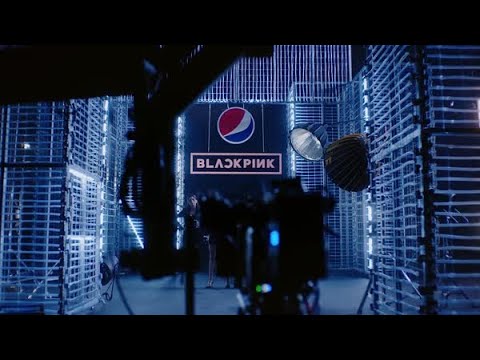
BLACKPINK x Pepsi/Coca-Cola: As global style icons, BLACKPINK's endorsements focus on lifestyle. Their campaigns are high-energy, fashion-forward spectacles where the beverage is a natural accessory to a moment of fun or confidence, sold as part of a glamorous, aspirational life.
YouTube:
G-Dragon x Nike: The collaboration between the fashion-forward soloist and Nike went beyond endorsement to co-creation. The "Para-Noise" sneaker line leveraged G-Dragon's artistic persona, turning a product into a collectible piece of cultural art for fans.
YouTube:

Expert Analysis: The Double-Edged Sword
Why It's a Winning Formula:
The model leverages the complete 360-degree influence of the idol. It's efficient, turning every piece of content into a potential ad. It's authentic within its framework, feeling organic to the fan experience. Most importantly, it's globally scalable yet locally resonant, as the digital content crosses borders instantly.
Navigating Inherent Risks:
The strategy's strengths are also its vulnerabilities. Oversaturation is a constant threat; if an idol promotes too many brands, their credibility wanes. The industry is also highly sensitive to scandal; a single misstep by an idol can trigger a rapid brand backlash. Furthermore, the cost of top-tier idol partnerships and high-production music videos is astronomical, requiring a guaranteed massive ROI to justify.
Lessons for Global Marketers
Embrace Native Integration: Stop making ads that interrupt. Start creating products and messaging that naturally fit into your ambassador's core content.
Cultivate Community, Not Just Audience: Design campaigns that require fan participation, turning consumers into evangelists.
Think Aesthetic Partnership, Not Just Logo Placement: Align with personalities whose total visual and cultural world reflects your brand's desired identity.
Leverage the Full Content Ecosystem: A single TV spot is obsolete. Plan for how the product lives in music videos, social clips, live events, and fan forums.
Conclusion: The Future is Integrated
South Korea's K-Pop industry has delivered a masterclass to global advertising: in the attention economy, the most powerful marketing is the kind audiences choose to engage with. By erasing the line between entertainment and advertisement, K-Pop idols have built a system where fandom and consumerism are synergistically linked. They have proven that the ultimate product placement isn't about hiding a logo in a scene, but about making the brand an indispensable, authentic, and aspirational part of the story itself. The lesson for marketers worldwide is clear: to capture the hearts of the modern consumer, you must first become a valued part of their culture.
Discover effective strategies for conducting market research to enhance your campaigns. Learn how to gather insights that drive successful marketing decisions.
Discover how visuals enhance advertising effectiveness, capturing attention and driving engagement. Explore the science behind impactful visual strategies.
Discover the art of crafting a compelling brand story that connects with your audience. Learn essential tips to elevate your brand's narrative and impact.
Explore the bold and rebellious marketing strategies of Sega and Nintendo in the 90s. Discover how their iconic ads shaped a generation of gamers.
Explore the captivating world of retro automotive ads that defined "The American Dream." Discover how these iconic campaigns shaped car culture and consumer desires.
Discover the most iconic Pepsi vs. Coca-Cola ads from the 80s! Relive the nostalgia and see how these brands shaped pop culture through memorable campaigns.
Discover innovative IKEA small space solutions for 2026. Explore interior design inspiration that maximizes style and functionality in compact living areas.
Discover how the "humanization" trend is transforming pet food commercials, making them more relatable and appealing to pet owners. Explore the impact now!
Discover Hasbro's innovative marketing strategies for 2026, focusing on engaging Generation Alpha with captivating content and interactive experiences.
Discover the best AI smart home appliances of 2026. Explore innovative technology that enhances convenience, efficiency, and security in your home.
Discover the latest Pharma Ad Trends for 2026 and learn how to simplify healthcare messages for better patient engagement and understanding.