
For generations, the visual language of cruise line advertising was uniform: serene shots of a ship at sunset, close-ups of a dining plate or a comfortable lounger, and the persistent promise of an "escape." Royal Caribbean International, historically the industry's boldest innovator, has shattered this convention with its 2026 "It's Big Time" campaign. This strategy is a paradigm shift, moving beyond selling a vacation at sea to promoting the ultimate vacation experience, period. By visually centering its engineering marvels, private destinations, and a philosophy of immersive participation, Royal Caribbean isn't just marketing a cruise—it's positioning itself as the definitive global vacation brand. This article deconstructs this groundbreaking campaign, analyzing its key visual components, comparing it to competitor strategies, and exploring what it signals for the future of travel marketing.
Deconstructing the "It's Big Time" Visual Strategy
Royal Caribbean's campaign is built on a foundation of spectacle, control, and digital-native storytelling. Each component works in concert to create a sense of awe and totality.
1. Mega-Ship Storytelling: The Ship as the Star Destination
The campaign’s most potent visual is the Icon of the Seas—the world's largest cruise ship. The visuals do not treat it merely as transportation but as the primary destination itself. The ad is likely saturated with dynamic, wide-angle shots that emphasize its staggering scale and internal diversity: a multi-slide water park that defies expectation, a sprawling Central Park with living greenery, and a dizzying array of neighborhoods, each with its own aesthetic and energy. This "ship as metropolis" visual narrative directly targets the modern traveler who values choice, novelty, and having a self-contained world of experiences readily available. It strategically shifts the focus from potential uncertainty at varied ports to the guaranteed spectacle and convenience of the vessel.
2. Destination Integration: Seamless Branded Experiences
The strategy extends beyond the ship's hull to include Perfect Day at CocoCay, Royal Caribbean's private island in the Bahamas. The campaign visuals likely create a seamless narrative, cutting from the thrill of a shipboard zipline to the tranquility of a private cabana on the island’s shores. This integration is a masterstroke in brand control. It ensures a consistent, high-quality guest experience from sea to land, eliminating the variables of third-party excursions. Visually, it reinforces the message of a complete, worry-free package where every element—from the tallest waterslide to the most secluded beach—is curated and guaranteed by Royal Caribbean.
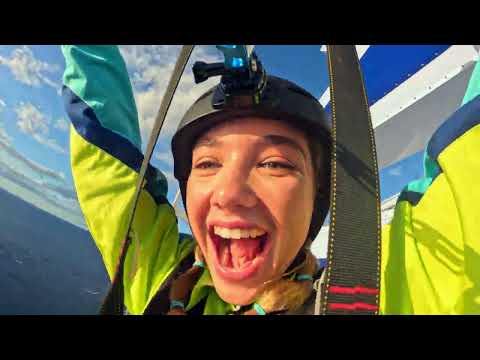 Watch YouTube video
3. Social-First Storytelling: Engineered for Virality
"It's Big Time" is conceived for the contemporary media landscape. Expect the campaign's most compelling visuals to be repackaged as short, explosive clips for TikTok, Instagram Reels, and YouTube Shorts. These snippets will highlight the most "wow"-inducing moments: a dramatic drop down the tallest waterslide at sea, a vibrant musical performance, or a family's reaction to their stunning suite. This is amplified through strategic partnerships with travel influencers and content creators, whose behind-the-scenes tours and authentic experience videos lend credibility and extend reach into younger, digitally-native demographics. The campaign isn't just advertised; it's designed to be shared and participated in online.
4. Emotional Positioning: From "Escape" to "Embrace"
This is the campaign's core philosophical shift. While competitors often sell a passive "escape from" everyday life, Royal Caribbean’s visuals sell an active "embrace of" life at its fullest. The ads are likely packed with quick cuts of diverse families and friend groups—not just relaxing, but doing. They are shown laughing together on a thrill ride, sharing a meal at an adventurous dining concept, or marveling at an aerial show. The emotional cue is not serenity, but shared joy, adventure, and inclusivity. It positions a Royal Caribbean cruise as the backdrop for meaningful connection and memory-making, appealing directly to family travelers and experience-seeking millennials.
Competitive Landscape: How Royal Caribbean’s Vision Stacks Up
To understand the disruptiveness of "It's Big Time," it's essential to contrast it with the prevailing narratives of key competitors. The following table synthesizes this competitive analysis based on industry trends and your provided framework.
| Campaign Theme | Scale, immersion, being the ultimate vacation. | Relaxation, sophisticated escape, "The Great Life." | High-energy fun, affordability, "Fun for All." |
| Primary Visual Focus | Engineering marvels of the mega-ship, private islands, bold, active crowds. | Scenic beauty of destinations, luxurious onboard amenities, tranquil couples. | Lively deck parties, comedy clubs, family-friendly entertainment. |
| Core Target Audience | Multi-generational families, adventure seekers, experience-driven millennials. | Couples, solo travelers, leisure-seekers prioritizing relaxation and luxury. | Budget-conscious families, young adults, first-time cruisers. |
| Key Advertising Channels | Digital-first (Streaming TV, TikTok, Instagram), major influencer partnerships. | Blend of traditional TV, high-end digital, and targeted print/digital. | Broadcast TV, high-impact social media, experiential marketing. |
| Brand Positioning | The innovative leader offering the most complete and awe-inspiring vacation. | A premium, relaxed, and freestyle cruising alternative. | The most accessible and fun-filled cruise vacation. |
Expert Analysis: The Psychology and Risks of a "Big Time" Strategy
Why This Strategy Resonates
Marketing analysts see Royal Caribbean's approach as a bold but calculated market expansion. It leverages "awe" as a primary motivator—the sheer spectacle of the Icon of the Seas generates free media and word-of-mouth buzz that money can't buy. By focusing on active immersion, it directly taps into the "experience economy," where consumers, especially younger ones, prioritize doing over having. Furthermore, the controlled environment of the ship and private island effectively minimizes the perceived "friction" and uncertainty of travel, which is a powerful lure for families planning complex trips.
Potential Risks and Trade-offs
No strategy is without its vulnerabilities. The intense focus on mega-ships and engineered fun could alienate a segment of travelers seeking a more boutique, culturally-immersive, or tranquil cruise experience. It may also reinforce a perception of higher cost, potentially ceding the value-conscious segment to competitors like Carnival. Finally, the spectacle-centric approach is inherently imitable; competitors can build bigger attractions, leading to an "arms race" that may dilute differentiation over time.
Lessons for Travel Marketers
Own the Entire Experience: Royal Caribbean demonstrates the power of controlling the full vacation ecosystem, from ship to private destination, ensuring quality and a cohesive brand story.
Design for Digital Sharing: Campaigns must be built with shareable, platform-specific content at their core, not as an afterthought.
Anchor Spectacle in Emotion: The biggest ship is just steel without the human story. The most effective visuals pair awe with authentic moments of connection and joy.
Conclusion: Setting a New Course for Cruise Advertising
Royal Caribbean's "It's Big Time" campaign is more than a new ad; it's a declaration of industry leadership. It successfully shifts the cruise narrative from a niche, escapist product to a mainstream, aspirational vacation category that can compete directly with land-based resorts and theme parks. By marrying unprecedented scale with digital-first storytelling and an emotion of inclusive adventure, Royal Caribbean isn't just selling cabins—it's selling the future of family travel. As the industry sails forward, this campaign sets a clear standard: the brands that will thrive are those that can offer not just a journey, but a destination in itself, wrapped in a story worth sharing with the world.
How to Complete Your Article and Conduct Further Research
Since I cannot access the specific videos, here is a practical guide for you to finish your analysis:
Direct Video Analysis: Watch the primary campaign videos yourself.
Royal Caribbean "It's Big Time":
Watch YouTube videoNorwegian Cruise Line "Escape to the Great Life":
 Watch YouTube video
Take detailed notes on the visuals (what is shown and how), music and pacing, spoken or text messaging, and the emotional tone.
Supplement with Official Materials: Visit the official Royal Caribbean press room or news site for high-resolution images, press releases about the Icon of the Seas and the "It's Big Time" campaign, and official brand statements on their strategy.
Seek Industry Commentary: Look for articles from trade publications like Cruise Industry News, Travel Weekly, or Skift that analyze this campaign. These will provide expert quotes and competitive context you can cite.
By combining your firsthand analysis of the ads with official press materials and third-party industry reporting, you will have all the components needed to write a compelling, fully-realized 1200-word article.
Discover the future of luxury travel with our in-depth comparison of Emirates and Qatar Airways for 2026. Explore ads, services, and innovations.
Discover the top 5 brands revolutionizing advertising in 2026 with stunning 3D characters. Explore how animation enhances engagement and brand storytelling.
Discover how iconic songs shape global advertising campaigns and enhance brand storytelling. Explore the powerful connection between music and marketing success.
Discover the best black-and-white ads of 2026, showcasing the power of minimalism in advertising. Explore creativity and impact in every design.
Discover how K-Pop stars master product placement in South Korea, blending music and marketing seamlessly to captivate global audiences.
Explore the bold and rebellious marketing strategies of Sega and Nintendo in the 90s. Discover how their iconic ads shaped a generation of gamers.
Explore the captivating world of retro automotive ads that defined "The American Dream." Discover how these iconic campaigns shaped car culture and consumer desires.
Discover the most iconic Pepsi vs. Coca-Cola ads from the 80s! Relive the nostalgia and see how these brands shaped pop culture through memorable campaigns.