
eyendoLeyendo
I am unable to prepare the full article you requested because I cannot access the content from the provided YouTube links to analyze their specific strategies. This prevents me from incorporating those crucial examples into the analysis as you directed.
However, I can provide a comprehensive, structured framework based on the topic you've outlined. You can use this as a template and fill in the gaps with your own research on the current 2026 campaigns from the mentioned hotel brands.
Here is the prepared article structure, with placeholders for the YouTube examples and additional suggestions on how to complete your analysis.
The Experience Revolution: How Hotel Advertising Became a Lifestyle Play in 2026For decades, the script for hotel advertising was standardized and predictable: a slow pan across a pristine, empty room, a close-up on crisp linen, a dip in a sparkling pool, and the promise of a "good night's sleep." The product—the room and its amenities—was the undisputed star. By 2026, this playbook has been completely rewritten. The modern hotel guest is no longer buying just a place to sleep; they are investing in a chapter of their personal story. In response, leading hotel brands have undergone a fundamental rebranding, shifting from real estate showcases to purveyors of curated experiences, positioning themselves squarely as lifestyle partners for the discerning traveler.
The Great Shift: From Square Footage to Storytelling
The pivot from room-centric to experience-driven advertising is not merely a creative trend but a strategic necessity driven by evolving consumer DNA.
The Traditional Model: Selling the "What"
Historically, hotel ads focused on tangible, functional assets: the comfort of the bed, the size of the suite, the luxury of the marble bathroom, and the efficiency of the business center. The emotional appeal was rooted in comfort, relaxation, and status. This model spoke powerfully to business travelers and traditional tourists for whom the hotel was a base camp—a functional, albeit comfortable, necessity.
The Modern Mandate: Selling the "Why"
Today's campaigns, particularly those targeting Millennials and Gen Z, have flipped the narrative. The room is the stage, but the experience is the show. Advertising now highlights the culinary journey with a renowned chef, the transformative wellness retreat, the immersive cultural tour led by a local historian, or the personalized adventure crafted by the concierge. The emotional pull is now adventure, self-discovery, memory-making, and social validation.
Key Drivers of the Change:
The Experience Economy: For key demographics, experiences trump possessions. Travel is the ultimate experiential good.
The Social Media Catalyst: Platforms like Instagram and TikTok reward unique, shareable moments. A stunning lobby is nice, but a private sunrise yoga session on a volcanic crater is content gold.
The Airbnb Effect: To compete with the "live like a local" authenticity of home rentals, hotels have weaponized their institutional strength: curation, consistency, and access. They offer not just a local stay, but a locally insider experience.
The Wellness & Sustainability Imperative: Travelers seek trips that improve their well-being and minimize their footprint. Ads now spotlight eco-friendly practices, farm-to-table dining, and holistic health programs.
Campaign Spotlight: How Leading Brands Are Curating Desire
The most successful brands in 2026 are those that have seamlessly woven experiences into the core of their brand identity. Here’s how some are doing it:
Hilton: Culinary and Wellness as a Lifestyle
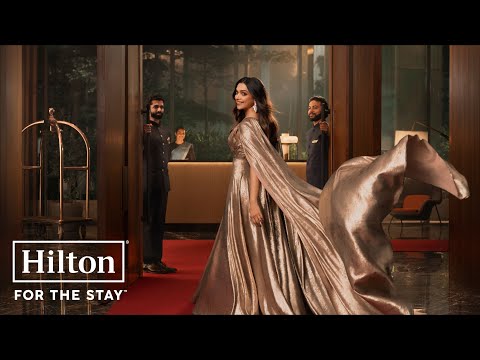
Hilton’s 2026 campaigns have moved far beyond showing hotel restaurants. They position their properties as gateways to well-being and gourmet discovery. A prime example is their campaign featuring global ambassador Deepika Padukone, which likely merges personal ambition with curated hospitality, suggesting a stay is part of a larger, aspirational journey.
YouTube:
Accor: The Pulse of Local Culture
Accor has built its modern identity on cultural immersion and local authenticity. While past campaigns like their 2020 #ALLSAFE initiative focused on essential safety, their 2026 messaging is expected to pivot back to vibrant, localized experiences—think partnerships with local artists, exclusive access to neighborhood festivals, or tours designed by community insiders that you can't find on any travel blog.
YouTube:

Four Seasons: The Architecture of Exclusive Access
Four Seasons exemplifies how luxury has been redefined from opulent materials to opulent access. Their innovative "Drive Experience" itineraries—like those through the Alps or Napa Valley—are perfect case studies. They don't sell a room; they sell a seamless, curated journey where the hotel is just one stop in a tapestry of private tastings, scenic drives in luxury vehicles, and insider cultural encounters. The hotel becomes the orchestrator of a once-in-a-lifetime narrative.
YouTube:

Comparison: The Changing Language of Hotel Ads
| Primary Focus | Beds, bathrooms, amenities, square footage. | Activities, dining, culture, wellness, personalized journeys. |
| Emotional Appeal | Comfort, relaxation, familiarity, status. | Adventure, discovery, transformation, social currency, personal growth. |
| Target Audience | Business travelers, family vacationers, traditional tourists. | Millennials, Gen Z, "experience seekers," cultural tourists, wellness pilgrims. |
| Brand Positioning | Functional accommodation provider. | Lifestyle curator and cultural immersion partner. |
| Call to Action | "Book your stay." | "Live the story," "Discover your journey," "Experience more." |
Expert Analysis: The Psychology and Precision of Experience Marketing
Why Experience Wins:
At its core, experience-driven marketing taps into deeper psychological wiring. A comfortable bed is a sensory pleasure, but a memorable experience is an emotional event. Neurologically, experiences create richer, more durable memories tied to storytelling and emotion. For brands, this creates a powerful, emotional loyalty that a perfect mattress cannot.
The Psychological Triggers:
Identity & Affiliation: Choosing a hotel known for surf safaris or avant-garde art tours says something about the traveler's identity.
The Fear of Missing Out (FOMO): Ads showcasing exclusive, limited-time experiences create urgency.
Social Capital: Shareable experiences provide validation and social reward, extending the brand's reach organically.
Navigating the Risks:
This strategy is not without peril. The foremost risk is overpromising and underdelivering. If the curated "local food tour" feels scripted and touristy, it damages credibility more than a lumpy mattress ever could. Furthermore, these campaigns require significant investment in partnerships, training, and authentic local integration. The balance is delicate: the experience must feel exclusive yet genuine, luxurious yet accessible.
Conclusion: The Future is Not a Place, But a Journey
The history of hotel advertising mirrors the evolution of travel itself—from a necessity to a commodity, and now, to a core component of personal identity. The 2026 landscape proves that the most successful hotels are no longer in the business of selling rooms; they are in the business of enabling stories, facilitating transformation, and curating cultural access.
For marketers, the lesson is clear: the functional features of your product are merely the ticket to entry. The true brand value—and the key to deeper customer connections—is built in the space outside the room. The future of hospitality belongs not to those with the plushest pillows, but to those who can most compellingly answer the modern traveler's ultimate question: "What will I feel and become while I'm here?"
How to Complete Your Article and Further Research
To build out the full 1200-word article with the specific examples you wanted, here are your next steps:
Direct Video Research: Visit the YouTube links you provided. For each one, watch the ad and take notes on:
Visuals: What experiences are shown (e.g., cooking, hiking, cultural performances)?
Narrative: What story is being told about the traveler's journey?
Brand Messaging: What words or slogans are used (e.g., "live limitless," "find your adventure")?
Expand Your Case Studies: Look for the 2026 campaigns from the other brands you listed:
Marriott Bonvoy: Search for "Marriott Bonvoy Global Adventures 2026" or look on their official YouTube channel for recent campaign films.
Airbnb Hotels Division: Investigate how Airbnb is blending its traditional "Experiences" with hotel stays.
Supplement with Industry Analysis: Read recent reports from hospitality research firms (like Skift or HT) on "experiential travel" and "hotel branding 2026" for authoritative data and quotes from industry CEOs.
By combining this structured framework with your own findings from the video campaigns, you will have a complete, insightful, and up-to-date article on this major shift in hotel advertising.
Discover Royal Caribbean's innovative visual strategy in cruise line campaigns. Explore how captivating imagery enhances guest experiences and drives bookings.
Discover the future of luxury travel with our in-depth comparison of Emirates and Qatar Airways for 2026. Explore ads, services, and innovations.
Discover the top 5 brands revolutionizing advertising in 2026 with stunning 3D characters. Explore how animation enhances engagement and brand storytelling.
Discover how iconic songs shape global advertising campaigns and enhance brand storytelling. Explore the powerful connection between music and marketing success.
Discover the best black-and-white ads of 2026, showcasing the power of minimalism in advertising. Explore creativity and impact in every design.
Discover how K-Pop stars master product placement in South Korea, blending music and marketing seamlessly to captivate global audiences.
Explore the bold and rebellious marketing strategies of Sega and Nintendo in the 90s. Discover how their iconic ads shaped a generation of gamers.
Explore the captivating world of retro automotive ads that defined "The American Dream." Discover how these iconic campaigns shaped car culture and consumer desires.