
The roar of a high-compression V8, the blinding reflection of hand-polished chrome, and the infinite stretch of a two-lane highway heading West—post-war American automotive advertising was never just about selling a machine. It was about selling a soul, a destination, and a tangible piece of the "American Dream." In an era before digital specs, emissions standards, and carbon footprints dominated the conversation, car manufacturers leaned into pure emotion, artistry, and the promise of a life without limits.
Introducción: The Architect of Aspiration
Between 1945 and 1975, the United States underwent a seismic cultural shift. The return of soldiers from World War II, the birth of the interstate highway system, and the explosion of the middle class created a unique vacuum: people had money, they had a sense of victory, and they had a desperate need for mobility.
Automotive brands like Cadillac, Chevrolet, Ford, and Pontiac realized early on that they weren't just competing on price; they were competing on identity. To own a specific car was to belong to a specific social stratum. This was the "Golden Age" of Madison Avenue, where "Ad Men" transformed the automobile from a utilitarian tool into a psychological extension of the owner’s ego.
Sections: The Decades that Defined the Road
The 1950s: The Jet Age and the Nuclear Family
In the 1950s, design was heavily influenced by the burgeoning aerospace industry. Advertising in this decade was characterized by lush, hand-painted illustrations. Before high-resolution photography became the norm, artists like Art Fitzpatrick and Van Kaufman (the legendary "Fitz and Van" duo) created stylized images that made cars look wider, lower, and sleeker than they actually were.
The Message: Ownership equaled success.
The Aesthetic: Pastel colors, tailfins, and families heading to a suburban paradise.
The Strategy: Manufacturers sold the "total package"—the car, the wife in a floral dress, and the dog in the back seat, all framed by a white picket fence.
The 1960s: Muscle, Rebellion, and the "Think Small" Counter-Revolution
As the 1960s arrived, the "wholesome" image began to fracture. Two distinct movements emerged in advertising:
The Muscle Car Mania: Brands like Pontiac and Dodge began targeting younger buyers. Ads focused on "The Judge" or the "GTO," using aggressive language, vibrant "High Impact" colors, and a focus on 0-60 times. It wasn't about the family anymore; it was about the individual and the thrill of the street race.
The Volkswagen Revolution: While Detroit was building "land yachts," a small German car called the Beetle was making waves. The agency Doyle Dane Bernbach (DDB) created the "Think Small" campaign. It was minimalist, used self-deprecating humor, and spoke to the burgeoning counter-culture. This remains, arguably, the most influential ad campaign in history.
The 1970s: Personal Luxury and the Oil Crisis Reality
The party slowed down in the 1970s. With the 1973 oil embargo, the "American Dream" had to be rebranded. Massive engines were out; "Personal Luxury" was in. Ads for the Lincoln Continental or the Chrysler Cordoba emphasized interior comfort—velour seats, wood-grain dashboards, and "hushed" cabins that blocked out the noise of a changing world.
Comparison: Evolution of the Pitch
To understand how deep the "American Dream" was baked into these ads, we must compare the metrics used then versus those used in the modern era.
Análisis Experto: The Psychology of the "Big Idea"
Why do these vintage ads still command such high prices at auctions and art galleries? According to marketing historians, it’s because they mastered the "Big Idea." In modern marketing, we are bombarded with "features." A modern car ad will tell you about its 12.3-inch screen, its lane-assist technology, and its 5-star crash rating. In contrast, a 1960s Cadillac ad might not mention a single technical spec. Instead, it would show the car parked in front of an opera house with the caption: "Where else would you be?"
The Art of the "Fitz and Van"
The expert consensus is that the decline of hand-painted automotive art led to a decline in the "dream" factor. When you look at a painting of a 1963 Pontiac, the artist has subtly widened the wheelbase and lowered the roofline. This wasn't "false advertising" in the eyes of the consumer; it was emotional truth. It represented how the car felt to own, rather than the cold reality of the metal.
The Shift from Community to Technology
Expert analysis also highlights a shift in the "dream" itself. Retro ads featured the car as a social hub—a place where people met, dated, and traveled together. Modern ads often depict a lone driver in a futuristic city, insulated from the world by technology. The "American Dream" has moved from the outer world of the highway to the inner world of the interface.
Historia de la Publicidad Automotriz (Narrative)
The history of the automotive advertisement is essentially the history of the 20th century. In the early 1900s, ads were purely informational, appearing in newspapers to explain how a car worked. By the 1920s, under the leadership of Alfred P. Sloan at GM, the industry invented "planned obsolescence." They realized that if they changed the look of a car every year, they could make people feel "out of style" even if their current car worked perfectly.
During the Great Depression, ads shifted toward value and durability. But it was the post-WWII boom that truly turned cars into "dreams." For thirty years, the car was the ultimate signifier of American success. In the 80s and 90s, this evolved into "lifestyle" branding (think of the "Heartbeat of America" for Chevy), where the car was tied to patriotism and rock music. Today, we are seeing the "Electric Dream" take over, where the silence and "cleanliness" of an EV is marketed with the same religious fervor that chrome and gasoline once enjoyed.
Iconic Campaigns to Explore (Raw Addresses)
To truly see how these ads sold the dream, one must watch the original film reels. These videos showcase the transition from the orchestral, cinematic 50s to the gritty, high-energy 70s.
1957 Chevrolet "The Bel Air" Commercial: This ad captures the peak of the "Jet Age" optimism.
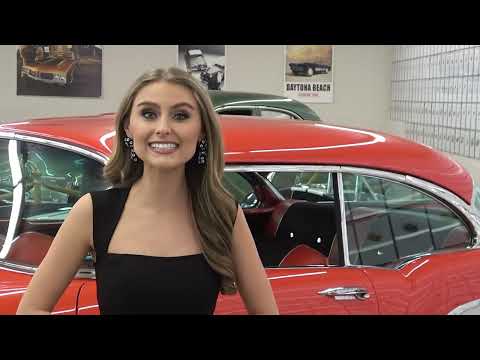 Watch YouTube video
1964 Volkswagen "Snow Plow": A masterpiece of the "Think Small" era, focusing on reliability over flash.
 Watch YouTube video
1969 Pontiac GTO "The Humbler": This ad was so aggressive it was reportedly pulled from airwaves after one showing during the Super Bowl.
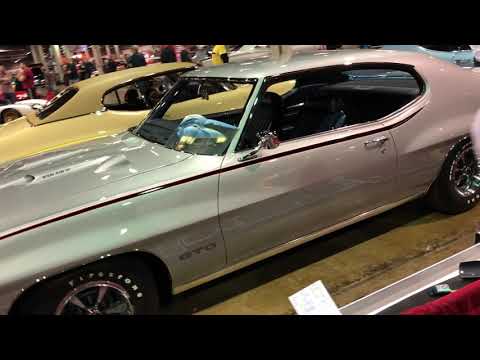 Watch YouTube video
1975 Chrysler Cordoba with Ricardo Montalbán: The birth of the "Fine Corinthian Leather" meme and the peak of 70s luxury.
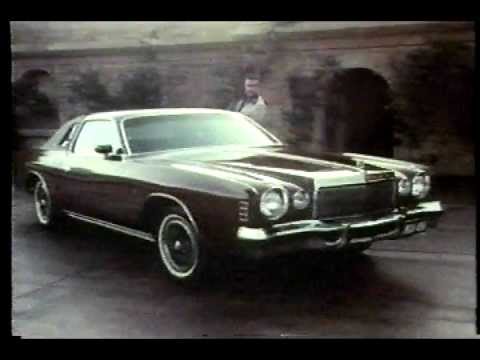 Watch YouTube video
1980s "The Heartbeat of America" Chevy Campaign: The shift toward high-speed montages and pop-culture integration.
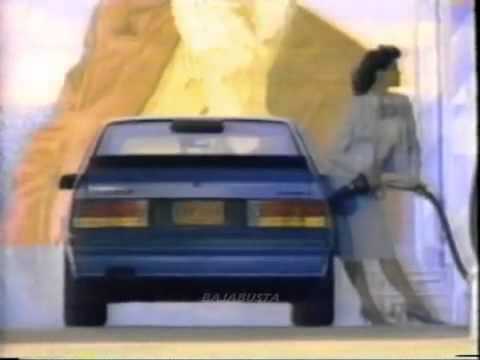 Watch YouTube video
1950s Ford "The World of Tomorrow": An example of how car companies sold a futuristic lifestyle that didn't yet exist.
Conclusion: Why the Dream Endures
As we move into an era of autonomous vehicles and ride-sharing, the "American Dream" of the open road is changing. However, the legacy of retro automotive ads remains powerful. They remind us of a time when a car wasn't just a way to get from point A to point B—it was a declaration of who you were and where you were going.
The chrome might have faded, and the V8s might be replaced by silent motors, but the human desire for freedom that those ads tapped into is universal and timeless. We don't just miss the cars; we miss the feeling that the horizon belonged to us.
Discover effective strategies for conducting market research to enhance your campaigns. Learn how to gather insights that drive successful marketing decisions.
Discover how visuals enhance advertising effectiveness, capturing attention and driving engagement. Explore the science behind impactful visual strategies.
Discover the art of crafting a compelling brand story that connects with your audience. Learn essential tips to elevate your brand's narrative and impact.
Discover the most iconic Pepsi vs. Coca-Cola ads from the 80s! Relive the nostalgia and see how these brands shaped pop culture through memorable campaigns.
Discover innovative IKEA small space solutions for 2026. Explore interior design inspiration that maximizes style and functionality in compact living areas.
Discover how the "humanization" trend is transforming pet food commercials, making them more relatable and appealing to pet owners. Explore the impact now!
Discover Hasbro's innovative marketing strategies for 2026, focusing on engaging Generation Alpha with captivating content and interactive experiences.
Discover the best AI smart home appliances of 2026. Explore innovative technology that enhances convenience, efficiency, and security in your home.
Discover the latest Pharma Ad Trends for 2026 and learn how to simplify healthcare messages for better patient engagement and understanding.
Explore the artistry behind Dior's 2026 fragrance ads. Dive into a detailed analysis of cinematic techniques and storytelling that captivate audiences.
Discover the best fitness ads of 2026 as we compare Nike and Peloton's innovative marketing strategies. Uncover what sets them apart in the fitness industry.