
The 1980s stand as the most electrifying, consequential chapter in the century-long rivalry between Pepsi and Coca-Cola. This was the decade when marketing budgets exploded, when advertising ceased to be mere product promotion and became high-stakes corporate warfare, televised to a global audience. Dubbed the "Cola Wars," this battle was fought not in factories but in the hearts and minds of consumers, with campaigns so audacious, so culturally embedded, and so psychologically acute that they redefined the very nature of brand competition. The ads of this era were more than commercials; they were cultural events, strategic gambits, and unforgettable narratives that carved the distinct identities of both brands into the stone of popular culture. This deep-dive exploration revisits the legendary campaigns of the 1980s, unpacking the genius, the blunders, and the enduring legacy of a marketing conflict that turned soda pop into a symbol of generational identity.Part I: The Opening Salvo – The Pepsi Challenge and the War on Taste (Late 70s - Early 80s)The 80s cola wars were ignited by a simple, disruptive idea born in the late 1970s: the "Pepsi Challenge." This campaign moved the battlefield from abstract brand image to the tangible, subjective realm of taste, forcing Coca-Cola into an unprecedented defensive posture.The "Pepsi Challenge" (1979-1983): A Declaration of War
The Strategic Premise: Pepsi bypassed traditional advertising rhetoric. Instead of telling consumers it was better, it aimed to prove it. The setup was disarmingly simple: blind taste tests in public locations where "real people" (not actors) sampled two unmarked colas (Pepsi and Coke) and declared a preference. The camera captured their raw, unfiltered reactions.
The Memorable Psychological Payoff: The magic was in the reveal. The ads consistently featured lifelong Coke drinkers—the brand's most loyal demographic—expressing stunned disbelief, sheepish grins, or outright confusion upon learning they had chosen Pepsi. One iconic spot showed a cowboy, the archetype of American tradition, admitting his surprise. This wasn't just an ad; it was public, televised heresy. It weaponized cognitive dissonance against Coke's strongest asset: its heritage.
The Lasting Impact: The Pepsi Challenge did more than boost sales; it fundamentally altered the marketing landscape. It introduced the "scientific" or "empirical" claim into mass-market advertising, framing Pepsi as the modern, data-backed choice of a discerning public. For Coca-Cola, it was a direct, terrifying assault on its core product's validity, creating a corporate anxiety that would lead to history-altering decisions.
The Strategic Retreat to Emotion: Recognizing it couldn't win a sip-by-sip debate on Pepsi's terms, Coca-Cola launched a massive, emotive counter-campaign. "Coke is It!" was a sweeping, anthem-driven celebration of the brand's emotional role in American life. The ads featured beautifully shot vignettes of universal moments—surfers catching waves, friends celebrating, families reuniting—all united by the iconic red bottle.
The Memorable Imagery: The campaign was a masterclass in feel-good, non-verbal branding. It sold a sensual experience—the fizz, the refreshment, the shared joy—over a clinical taste preference. One notable ad showed a diverse crowd on a hot city street magically gaining access to a Coke-filled ice chest, a fantasy of communal relief.
The Strategic Limitation: While effective at reinforcing brand love among existing fans, "Coke is It!" was fundamentally defensive. It was Coke reminding people why they should love it, while Pepsi was out in the field demonstrating why people did prefer it in a blind test. This emotional defense, though powerful, failed to neutralize Pepsi's empirical offensive, setting the stage for a more desperate move.
The Unprecedented Alliance: In a move that stunned the marketing world, Pepsi signed the undisputed King of Pop, Michael Jackson, for a then-record $5 million. This wasn't a sponsorship; it was a cultural merger. Jackson was at his absolute zenith—Thriller was dominating the planet, and his appeal transcended age, race, and nationality.
The Memorable Cinematics: The first commercial, "Street," directed by Bob Giraldi, was a mini-music video. It featured Jackson performing before an adoring crowd, his dance moves mimicked with rapturous precision by a group of boys, including a young Alfonso Ribeiro. The climax saw Jackson pause, take a sip of Pepsi, and ignite even greater frenzy. A follow-up ad, "Chase," was an elaborate, Spielberg-esque short film. The campaign’s notoriety was tragically amplified when Jackson suffered second-degree burns during the filming of a pyrotechnics sequence for a 1984 concert commercial—an event covered as front-page news.
The Strategic Masterstroke: Pepsi didn't just use Michael Jackson; it became synonymous with him. The "New Generation" tagline transformed from a marketing slogan into a cultural reality. Pepsi owned youth, innovation, and spectacle. It made Coca-Cola's campaigns look quaint and old-fashioned by comparison.
The Fateful Pivot: Internally reeling from years of Pepsi Challenge data and market share losses, Coca-Cola made the most dramatic decision in corporate history: it changed the 99-year-old formula for "New Coke." The launch campaign, "Catch the Wave," was a glossy, energetic push featuring synthesized music and attempts at "cool" with the CGI persona Max Headroom as a brand spokesman.
The Memorable Backlash: The ads themselves are largely forgotten. What is unforgettable is the volcanic public outcry they introduced. New Coke was perceived as a betrayal, a surrender to Pepsi's sweet-taste profile. Consumers hoarded original Coke, formed protest groups, and bombarded the company with angry calls. The campaign is remembered not for its content, but as the prologue to a historic fiasco.
The Phoenix Strategy: "The Return of Coca-Cola Classic" (1985): Just 79 days later, Coca-Cola executed a stunning retreat. The ad announcing the return of the original formula, now called "Coca-Cola Classic," was a masterpiece of humble, heartfelt marketing. It featured no celebrities, no special effects—just a sincere message from the company: "You spoke, and we listened." This moment of corporate humility generated more genuine goodwill and media coverage than any paid campaign ever could, reinvigorating the brand with a renewed sense of loyalty and tradition.
Pepsi's Constellation: Not content with just the King, Pepsi assembled a royal court: Lionel Richie, Tina Turner, David Bowie, and Michael J. Fox (in brilliant, time-traveling Back to the Future-themed spots). Later, Madonna's "Like a Prayer" ad (1989) sparked its own controversy, merging pop and sacrament.
Coca-Cola's Counter-Programming: Coke responded with Elton John, George Michael, and Whitney Houston. While major, these deals often felt reactive. Coke's most potent emotional holdouts were legacy figures like Mean Joe Greene, whose 1979 "Hey Kid, Catch!" ad continued to resonate as a symbol of the brand's heart throughout the decade.
Part III: The Diet Front – A Parallel War of Identity
While the sugar-based colas fought for the mainstream, the burgeoning diet category became a crucial secondary front, where battles over gender, lifestyle, and aspiration were waged.
Diet Coke's Launch: "Just for the Taste of It" (1982)
Targeting the Modern Woman: Coca-Cola's launch of Diet Coke was a strategic masterpiece in niche marketing. The ads directly targeted upwardly mobile, professional women. They depicted confident, stylish women in power suits or elegant settings, taking a deliberate, pleasurable "Diet Coke Break."
The Memorable Positioning: This campaign created a powerful ritual and an aspirational identity. It wasn't about weight loss; it was about sophisticated indulgence—a reward for a competent, modern life. It successfully carved out a distinct, premium space separate from the masculine, blue-collar image of Tab (Coke's first diet cola).
Diet Pepsi's Broader Appeal & The Ray Charles Coup (Late 80s)
Extending the "Generation" Ethos: Diet Pepsi initially leveraged the same "New Generation" celebrities. However, its masterstroke came at the decade's end with the signing of Ray Charles.
The Memorable "Uh-Huh" Campaign (1990): While technically a 1990 launch, this campaign was the brilliant culmination of 80s strategy. Featuring Charles and The Raylettes singing "You Got the Right One, Baby, Uh-Huh!", it was soulful, infectious, and demographically transcendent. It gave Diet Pepsi a warmth, authenticity, and musical credibility that directly challenged Diet Coke's more narrowly focused sophistication, appealing to men and women, young and old.
The 80s Cola War Chronicle: A Campaign-by-Campaign Analysis
| The Pepsi Challenge | Pepsi | 1979-1983 | Blind Taste Test | Cognitive Dissonance, Empirical "Proof" | Forced Coke into a product crisis; made taste the primary battleground. |
| "Coke is It!" | Coca-Cola | 1982 | Emotional Americana | Nostalgia, Sensory Pleasure, Universal Joy | A strong defensive brand reinforcement, but failed to halt Pepsi's momentum. |
| "Choice of a New Gen" (MJ) | Pepsi | 1984 | Celebrity Assimilation | Aspirational Identity, Cultural Coolness | The peak of celebrity marketing; defined Pepsi as the brand of youth and pop. |
| "New Coke" / "Catch Wave" | Coca-Cola | 1985 | Product Reformulation | Forced Innovation, "New & Improved" | Historic strategic blunder; demonstrated the sacred, unchangeable power of core brand equity. |
| Return of "Classic" | Coca-Cola | 1985 | Public Humility & Restoration | Relief, Victory for the Consumer, Loyalty Reward | Turned disaster into legendary brand loyalty; the ultimate "consumer win" story. |
| Diet Coke Launch | Coca-Cola | 1982 | Lifestyle Niche Marketing | Aspiration, Guilt-Free Sophistication | Created a mega-brand and a cultural ritual; perfected targeted demographic advertising. |
| Diet Pepsi (Ray Charles) | Pepsi | 1990 (Culmination) | Authentic, Cross-Demographic Appeal | Joy, Authenticity, Musical Heritage | Countered Diet Coke's niche with universal warmth; one of the great jingles of all time. |
Part IV: Expert Analysis – The Enduring Lessons of the 80s Cola Wars
The memorability of these campaigns stems from factors far beyond their production value. They offer timeless lessons in marketing psychology and corporate strategy.
1. The Power of the "Underdog Narrative": Pepsi brilliantly cast itself as the challenger, the innovator, the choice of the future. This narrative is perpetually compelling in American culture. Coca-Cola, as the entrenched leader, struggled with this dynamic until it was able to recast itself as the "classic" defender of tradition against the upstart's hubris.
2. Advertising as Public Drama: The Cola Wars turned consumption into a spectator sport. The Pepsi Challenge was reality TV before the genre existed. The New Coke saga played out like a corporate thriller on the nightly news. This level of engagement created deep, emotional investment from the public far beyond the product.
3. The Double-Edged Sword of Celebrity: The 80s proved that a celebrity must epitomize the brand's desired identity, not just promote it. Michael Jackson was the "New Generation." Conversely, Coca-Cola's use of various stars sometimes felt scattershot, lacking a unified core. The risk was also evident: celebrities could become controversial (Madonna) or embroiled in scandal, tangling the brand in unrelated drama.
4. The Unbreakable Bond of Heritage: The New Coke catastrophe stands as the ultimate case study. It proved that for iconic brands, the product is often a sacred artifact. The recipe wasn't just a formula; it was a shared memory, a personal companion, a piece of collective identity. Marketing that severs that emotional heritage does so at its peril.
5. The Creation of Lasting Brand Personalities: The 80s eternally crystallized the brand dichotomy. Pepsi: Bold, youthful, trendy, cheeky, synonymous with pop culture. Coca-Cola: Classic, authentic, sentimental, unifying, a pillar of tradition. Every subsequent campaign by both companies is a variation on these themes established in this definitive decade.
Conclusion: The Decade That Carbonated Culture
The most memorable Pepsi vs. Coke ads of the 1980s did more than sell soda; they captivated a generation and wrote the playbook for modern marketing warfare. They demonstrated that advertising could be a primary business strategy, not just a support function. From the guerrilla tactics of the Pepsi Challenge to the blockbuster spectacle of Michael Jackson, from the catastrophic miscalculation of New Coke to the redemptive return of Classic, the 80s provided a narrative arc of Shakespearean proportions.
To witness this legendary battle, explore these definitive commercials (copy and paste YouTube addresses):
For the taste test that started it all:
(Pepsi Challenge Compilation - 1980s) Watch YouTube video
For the apex of celebrity endorsement:
(Michael Jackson Pepsi Commercial - 1984 "Street")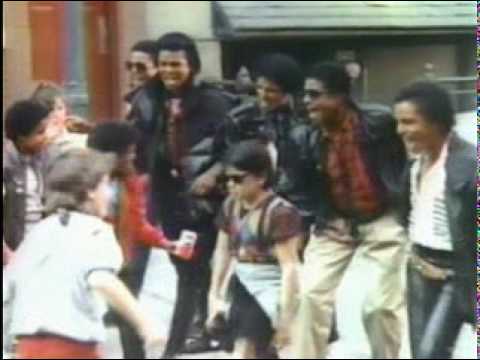 Watch YouTube video(Michael Jackson Pepsi Commercial - 1984 "Chase")
 Watch YouTube video
For Coca-Cola's emotional core:
Search for: "Coke is It! 1982 Commercial" or "Mean Joe Greene Coke Commercial 1979"For the historic blunder and recovery:
(New Coke Commercial - 1985)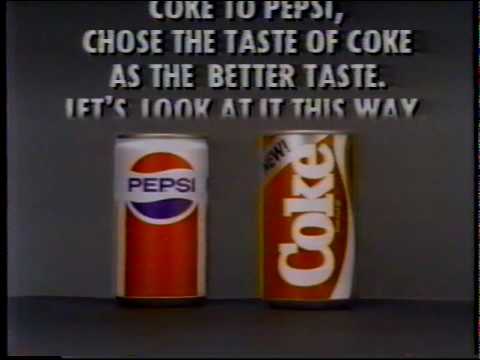 Watch YouTube video
Search for: "We're Bringing Coke Back July 10, 1985" (The Return of Classic)For the diet cola front:
Search for: "Diet Coke First Commercial 1982"(Diet Pepsi Ray Charles Uh-Huh Commercial - 1990)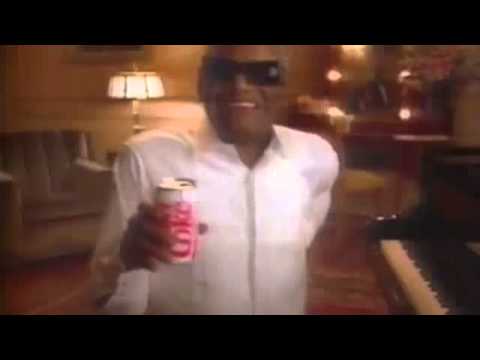 Watch YouTube video
The Cola Wars of the 1980s remind us that in a crowded marketplace, the most powerful stories are those of conflict, identity, and belonging. Pepsi and Coke didn't just offer a beverage; they offered a side to take, a generation to represent, and a story to be part of. In doing so, they created advertising that was unforgettable not for its subtlety, but for its audacity—a sparkling, syrupy testament to a decade of excess, innovation, and epic confrontation.
Discover the song featured in Coca-Cola's 2026 "Real Magic" commercial. Uncover the artist and lyrics that bring this captivating ad to life.
Discover the enchanting song featured in the 2025 Coca-Cola Christmas truck commercial. Unwrap the festive spirit and find out more about this holiday classic.
Discover the intriguing meaning behind the Coca-Cola Super Bowl 2026 ad. Explore its themes, messages, and the impact on viewers and fans alike.
Discover innovative IKEA small space solutions for 2026. Explore interior design inspiration that maximizes style and functionality in compact living areas.
Discover how the "humanization" trend is transforming pet food commercials, making them more relatable and appealing to pet owners. Explore the impact now!
Discover Hasbro's innovative marketing strategies for 2026, focusing on engaging Generation Alpha with captivating content and interactive experiences.
Discover the best AI smart home appliances of 2026. Explore innovative technology that enhances convenience, efficiency, and security in your home.
Discover the latest Pharma Ad Trends for 2026 and learn how to simplify healthcare messages for better patient engagement and understanding.
Explore the artistry behind Dior's 2026 fragrance ads. Dive into a detailed analysis of cinematic techniques and storytelling that captivate audiences.
Discover the best fitness ads of 2026 as we compare Nike and Peloton's innovative marketing strategies. Uncover what sets them apart in the fitness industry.
Discover L'Oréal's innovative skincare ads for 2026, featuring cutting-edge visuals and technology that redefine beauty marketing. Explore the future now!