
In the fiercely competitive, multi-billion dollar pet care industry, a single marketing strategy has risen to absolute dominance, reshaping product development, retail landscapes, and consumer psychology. That strategy is "humanization"—the deliberate and systematic portrayal of pets as de facto human family members, with emotional, social, and nutritional needs that mirror our own. This is far more than a cute advertising trope; it is the central engine of premiumization, brand loyalty, and category growth. The modern pet food commercial is a masterclass in emotional storytelling, where kibble is transformed into culinary craft, feeding becomes an act of sacred care, and the pet owner is recast as a devoted parent. This deep-dive analysis explores the sociological roots, psychological mechanics, and commercial genius behind why humanization isn't just a trend—it's the new, enduring paradigm for pet food marketing.Part I: The Sociological Fuel – Why Humanization Found Its MomentThe unprecedented success of humanized marketing is not an accident; it is a direct reflection of profound shifts in human lifestyle, family structure, and emotional need.The Demographic Perfect Storm: Key societal changes have created the ideal conditions for pets to ascend from the backyard to the bedroom—and for marketing to follow.
Later Marriage & Parenthood: Millennials and Gen Z are marrying and having children later than previous generations. Pets become "practice children" or permanent "fur babies," absorbing the nurturing instincts, disposable income, and emotional focus that might have previously been directed toward human offspring.
The Rise of the Single-Person & Childless Household: With increasing numbers of people living alone or in child-free couples, pets serve as primary companions, mitigating loneliness and providing daily structure and purpose. This relationship is intensely personal and emotionally central.
Urbanization & Reduced Living Space: As more people live in apartments and condos, the large, outdoor "yard dog" is less common. Pets are constant indoor companions, their lives fully integrated into the intimate domestic sphere, making their care a visible, daily priority.
The Pandemic Accelerant: The COVID-19 pandemic was a seismic event for human-pet bonds. With widespread isolation and remote work, pets became co-workers, therapists, and lifelines. This period intensified emotional dependence and spurred a wave of "pandemic puppy" adoptions, creating a massive new cohort of highly invested, first-time pet owners primed for humanized messaging.
Establish the Problem: The pet exhibits a sign of subtle discontent—turning away from a bowl, low energy, a dull coat. The owner's face shows worry, guilt, or confusion. The problem is framed not as hunger, but as a relational failing.
Present the Solution: The owner discovers a new food, often through a moment of enlightened research or a friend's recommendation. The product's benefits are described in human-coded language: "real meat first," "no artificial flavors," "crafted for sensitive stomachs."
Deliver the Emotional Payoff: The climax shows a vibrant, joyful pet eagerly eating. The owner looks on with love, relief, and pride. The implicit message: "You are a good parent. You have solved our problem. Our bond is stronger." This arc transforms a mundane purchase into an emotional victory, creating powerful brand loyalty.
This is the most powerful single claim in the arsenal. Commercials showcase slow-motion shots of recognizable, restaurant-quality ingredients: whole salmon fillets, fresh sweet potatoes, garden peas. The preparation is shown in pristine, stainless-steel kitchens that resemble high-end human foodservice, not industrial factories. Jargon like "vet-formulated" is paired with "you'd recognize every ingredient" to bridge scientific authority with familiar comfort. This tactic directly attacks the historical stigma of pet food as unappealing, mysterious "mash" and positions the brand as an extension of the owner's own values around clean, whole-food eating.2. The Life-Stage & Lifestyle Segmentation Mirror:
Just as the human food market is segmented (toddler snacks, athlete protein, senior vitamins), pet food is now marketed for hyper-specific niches: "Large Breed Puppy," "Indoor Cat Hairball Control," "Small Dog Dental Health," "Senior Dog Mobility Support." This does two things: first, it validates the pet's unique identity and journey, making the owner feel seen as a careful observer of their companion's needs. Second, it creates a lifetime customer journey, locking owners into a brand's ecosystem as they transition their pet from one specialized formula to the next, dramatically increasing customer lifetime value.3. The "Family Member" Cinematography and Setting:
The visual language has undergone a radical shift. Gone are the shots of dogs running in generic fields. Today's ads are set in domestic interiors—the sun-drenched kitchen where the pet watches cooking, the cozy living room where they share the couch, the bedroom where they sleep at the foot of the bed. The pet is visually woven into the fabric of daily human life. The food bowl is often placed on the same tile as the human dining area. This visual storytelling reinforces the core premise: this being belongs here, as an equal, and thus deserves equal consideration.4. Emotional Problem-Solving Over Functional Nutrition:
While "complete and balanced nutrition" remains a regulatory necessity, it is no longer the primary sell. The sell is emotional outcomes. A commercial for calming food sells peaceful co-existence and reduced owner stress. A commercial for weight management food sells more playful years together and alleviated guilt. The food is framed not as fuel, but as a key to a better, happier, longer relationship.
The Evolution of the Pet Food Commercial: A Comparative Framework
| Utility Era (1970s-80s) | Kennel, Yard, Vet Office | Animal / Dependent | "Complete Nutrition," "Strong Bones," "Vet-Recommended" | Responsible Provider | Duty, Responsibility, Practicality |
| Lifestyle Era (1990s-00s) | Park, Beach, Playing Fetch | Active Companion | "Energy for Play," "Tasty Variety," "Health & Happiness" | Fun Companion | Joy, Activity, Shared Experiences |
| Humanization Era (2010s-Present) | Family Kitchen, Living Room, Bed | Beloved Child / Family Member | "Love Them Like Family. Feed Them Like Family." "Real Ingredients. Real Love." | Nurturing Parent / Guardian | Guilt, Love, Identity, Emotional Fulfillment, Anxiety Relief |
Part IV: The Premium Price Justification – The Economics of Love
Humanization is the primary lever allowing brands to command premium and super-premium price points, driving the extraordinary profitability of the sector.
Reframing the Value Equation: A bag of ultra-premium kibble or a subscription to fresh-cooked meals can cost 3x to 10x more than a standard supermarket brand. Humanization makes this price palatable by changing the comparator. The $90 bag is no longer judged against the $20 bag. Subconsciously, it is judged against the owner's own grocery bill for high-quality food or against other discretionary spending on family well-being. The question shifts from "Is this expensive for dog food?" to "Is my dog's health, happiness, and longevity worth this investment?" For the humanized pet owner, the answer is a resounding yes, turning pet care into a surprisingly recession-resilient category.
The Subscription Model Lock-In: Humanization is the perfect narrative for direct-to-consumer (DTC) subscription services. Brands like The Farmer's Dog and Nom Nom don't just sell food; they sell a personalized care service. The pitch involves tailored meal plans, convenient home delivery, and the ongoing narrative of "chef-crafted, fresh meals for your unique dog." This mirrors human meal-kit services (HelloFresh, Blue Apron), further blurring the species line and creating high-margin, recurring revenue streams built on emotional loyalty rather than retail convenience.
Part V: Critical Analysis – The Risks, Backlash, and Future Frontiers
The Inherent Criticisms & Ethical Fissures:
Nutritional Science vs. Marketing Hype: Veterinarians and animal nutritionists often warn that "human-grade" is a marketing and regulatory term, not a nutritional one. A diet of plain chicken and carrots, while appealing to humans, is dangerously incomplete for a cat or dog. The focus on sexy ingredients can sometimes overshadow balanced, species-appropriate nutrition.
Over-Anthropomorphism & Harmful Practices: Projecting human emotions can lead to overfeeding (interpreting begging as "hunger"), obesity, and the sharing of actually toxic "human foods." It can also pathologize normal animal behaviors as emotional disorders requiring dietary fixes.
Emotional Exploitation & Guilt-Mongering: Some campaigns risk implying that buying a less expensive brand is a failure of love, weaponizing the owner's bond to drive sales—a potent but ethically fraught tactic.
The Next Wave: Beyond Humanization to Hyper-Personalization & Purpose
The trend is already evolving into more sophisticated realms:
Biometric Personalization: Integration with pet wearables (FitBark, Whistle) and DNA test kits (Embark) to recommend food based on activity data, breed-specific risks, and genetic markers. The ad will say, "Based on your dog's unique genetics..."
Purpose-Driven & Values-Based Humanization: Marketing that appeals not just to love for the pet, but to the owner's planetary and social conscience. This includes sustainable proteins (insect, lab-grown), carbon-neutral production, recycled packaging, and brands that donate meals to shelter pets with every purchase. The food becomes an expression of holistic values.
Conclusion: The Bowl as a Reflection of Self
The triumph of humanization in pet food commercials reveals a profound cultural truth: in an age of uncertainty, fragmentation, and digital isolation, the bond with a pet remains one of the most uncomplicated, loyal, and emotionally potent connections available. Pet food marketers have astutely recognized that they are not selling to a stomach; they are selling to a heart. They are not addressing nutritional deficiencies; they are alleviating existential anxiety and fulfilling a deep need to nurture.
To witness this trend in its most potent forms, analyze these definitive campaigns (copy and paste YouTube addresses):
The Pinnacle of "Human-Grade" & Culinary Craft:
(The Farmer's Dog | How It Works)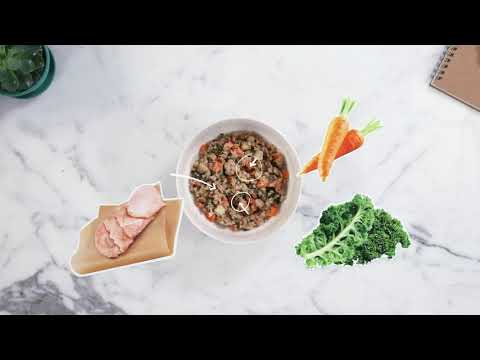 Watch YouTube video(Blue Buffalo | Life Protection Formula – "Love them like family")
 Watch YouTube video
Emotional Problem/Solving & Relational Repair:
(Purina Pro Plan | Shredded Blend – Solving "picky eating" as a relationship hurdle) Watch YouTube video(Hill's Science Diet | Adult 7+ – Senior care framed as extending quality time together)
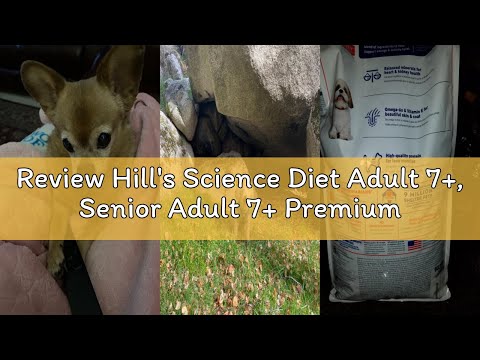 Watch YouTube video
Family Integration & Identity-Based Marketing:
(Iams | So Much Good – Pets as central to an active, happy family life)(Royal Canin | Breed Health Nutrition – Love expressed through hyper-specific, knowledgeable care) Watch YouTube video
Ultimately, the food we choose for our pets is a ritual, a statement, and a story we tell ourselves about who we are as caregivers. The humanized pet food commercial has mastered the art of selling that story. It whispers that in the simple act of filling a bowl, we can express our highest ideals of love, responsibility, and connection. In doing so, it has turned kibble into karma, and the pet food aisle into a gallery of modern affection. The trend is so powerful because it is, at its core, true: for millions, the line between "pet" and "person" has not just blurred—it has vanished, and commerce has eagerly, expertly, followed.
Discover effective strategies for conducting market research to enhance your campaigns. Learn how to gather insights that drive successful marketing decisions.
Discover how visuals enhance advertising effectiveness, capturing attention and driving engagement. Explore the science behind impactful visual strategies.
Discover the art of crafting a compelling brand story that connects with your audience. Learn essential tips to elevate your brand's narrative and impact.
Discover Hasbro's innovative marketing strategies for 2026, focusing on engaging Generation Alpha with captivating content and interactive experiences.
Discover the best AI smart home appliances of 2026. Explore innovative technology that enhances convenience, efficiency, and security in your home.
Discover the latest Pharma Ad Trends for 2026 and learn how to simplify healthcare messages for better patient engagement and understanding.
Explore the artistry behind Dior's 2026 fragrance ads. Dive into a detailed analysis of cinematic techniques and storytelling that captivate audiences.
Discover the best fitness ads of 2026 as we compare Nike and Peloton's innovative marketing strategies. Uncover what sets them apart in the fitness industry.
Discover L'Oréal's innovative skincare ads for 2026, featuring cutting-edge visuals and technology that redefine beauty marketing. Explore the future now!
Discover the latest trends in humor-driven insurance marketing for 2026. Explore success stories that showcase creativity and engagement in the industry.
Discover the top 5 most creative bank spots of the year, showcasing innovative designs and unique customer experiences that redefine banking on trust.