
In 2026, Hasbro is navigating one of the most complex marketing challenges in its century-long history: authentically engaging Generation Alpha—the children of Millennials, born from the early 2010s onward. This is a cohort that has never known a world without smart devices, AI assistants, viral trends, and urgent conversations about sustainability and inclusivity. Traditional toy marketing funnels, built on linear television commercials and in-store displays, are rendered obsolete. For Hasbro, success now hinges on a radical, multi-platform strategy that doesn't just sell toys, but curates ecosystems. This strategy merges physical play with digital identity, leverages nano-influencers over mega-celebrities, and positions its iconic brands as springboards for creativity in a user-generated content (UGC) world. This comprehensive analysis delves into Hasbro’s sophisticated 2026 playbook, revealing how it is fundamentally restructuring its approach to capture the hearts, minds, and digital feeds of Generation Alpha and their discerning Millennial parents.Part 1: Decoding the Alpha Consumer – The First True "Phygital" NativesTo market effectively to Alphas, one must first understand their unique ecosystem. They are not merely digital natives; they are "phygital" natives, for whom the boundary between physical and digital experiences is fluid and often irrelevant. Their play patterns, social interactions, and creative expressions are a seamless blend of atoms and bits.Core Characteristics Forcing a Marketing Revolution:
Digital-First Identity & Social Currency: For Alpha, play and social life are inextricably intertwined on platforms like YouTube Kids, Roblox, Minecraft, and TikTok. A toy is not judged solely on its physical attributes, but on its utility as a content prop, a skin in a game, or a ticket to an online community. Its value is measured in social capital—its potential to generate likes, shares, and comments among peers.
The "Values-First" Generation: Raised by socially-conscious Millennials, Alphas exhibit a surprising early awareness of brand ethics. Sustainability (circularity, recyclability), diversity and representation, ethical production, and mental well-being are not abstract concepts but expected brand table stakes. The purchase decision is a family dialogue where both the child's desire and the parent's values must be satisfied.
The Creator Economy from the Cradle: While their attention is fragmented by micro-content, their creative ambitions are macro. They are not passive consumers of media; they are aspiring directors, game designers, and streamers. They expect tools to create, customize, and share, viewing brands as enablers of their creative output.
The Trust Economy of Nano-Peer Influence: Celebrity endorsements hold little weight. Authenticity is sourced from a decentralized network of "kidfluencers" and micro-creators—peers with modest followings who offer genuine, unpolished reviews and imaginative play scenarios. Trust is peer-sourced and hyper-niche.
The Core Tactics: In 2026, every major Hasbro line—from Nerf blasters and My Little Pony dolls to Magic: The Gathering cards and GI Joe figures—includes a scannable NFC chip or unique code. Scanning this code with the Hasbro Pulse app does two things: it unlocks a "Digital Twin" (a high-fidelity 3D model for AR play) and, critically, grants access tokens or exclusive items within official Hasbro-branded Roblox experiences or Fortnite Creative islands.
The Psychological & Strategic Payoff: This transforms a physical purchase from a terminal transaction into an initiation rite. The $24.99 action figure is no longer just a toy; it is DLC for your social life, a verifiable asset in the digital playground where status is earned. This system also strategically combats the secondary market and counterfeiting, as the coveted digital content is intrinsically linked to the authenticity of the new, packaged product.
The Core Tactics: Hasbro has launched the "Hasbro Creator Hub," a suite of child-safe, COPPA-compliant apps. The "MovieMaker Studio" app uses augmented reality to let kids direct scenes with their physical toys, adding VFX, voice modulation, and music. The "Play-Doh Vision" app uses AI-powered computer vision to scan a child's physical sculpture, instantly animating it and generating a unique, shareable short story about the creation.
The Psychological & Strategic Payoff: This addresses the Alpha's desire for agency and creative tool sets. Campaigns are built around these platforms. For example, the "Design the Next Transformer" contest uses a simple 3D modeling app within the Hub; the winning fan design is produced as a limited-edition HasLab crowdfunding project. This flips the script: consumers are now co-creators and innovators, building profound, emotional equity in the brand.
The Core Tactics: Hasbro's 2026 marketing budget for "influencers" is less a line item and more an operating system. It manages a vast, dynamic database of thousands of nano-influencers (1K-50K followers) in specific niches: Roblox builders, stop-motion animators, Nerf modders, custom doll artists. Instead of paying for scripted endorsements, Hasbro operates a "Creator Guild" program. Members receive early "Vault Boxes" of unreleased products with a simple challenge: "Create something only you could make."
The Psychological & Strategic Payoff: This generates a tsunami of authentic, diverse, and niche-relevant content that floods the exact algorithmic feeds Alphas already inhabit. It feels organic, peer-recommended, and creatively inspiring. It also provides Hasbro with a real-time, agile pulse on emerging trends and subcultures, allowing for rapid product and marketing iteration.
Part 3: Iconic IP Reimagined for Alpha Values
Hasbro is undertaking a sensitive but essential evolution of its legacy brands to align with the expectations of this new generation.
GI Joe: A Global Sentinel Force (GSF): The 2026 reboot consciously moves away from militaristic nationalism. The team is recast as a Global Sentinel Force, a UN-backed, multidisciplinary crisis response unit. Characters include "Terra," a geo-engineer combating climate disasters, and "Cypher," a cybersecurity expert halting digital threats. The marketing narrative focuses on applied science, diplomacy, and protecting the global commons, with toys featuring eco-tech vehicles and mission-based play sets.
My Little Pony: Harmony is Dynamic: The new generation inhabits "The Everglow," a vibrant ecosystem where magic is generated by balance—ecological, emotional, and social. Storylines explicitly address neurodiversity, blended families, and conflict resolution. The toy line expands with "Pony Profiles" that detail each character's unique strengths and challenges, and includes adaptive fashion packs and chariots.
Nerf: The Premier Sport of the Phygital Age: Nerf is no longer just about backyard battles. It is being built as an organized, safety-first, tech-integrated sport. The "Nerf Arena League" app tracks Elo-style rankings, organizes local/regional tournaments, and integrates with "Nerf Renew" blasters made from ocean-bound plastics and compostable darts. Marketing highlights sportsmanship, strategic teamwork, and environmental responsibility.
Play-Doh: The Organic Creative OS: Positioned as the original analog creative operating system, Play-Doh’s marketing celebrates tactile, sensory play as a counterbalance to screen time—but then bridges the gap intelligently. The "Play-Doh Vision" app’s AI doesn't just animate; it suggests "What if?" scenarios, turning a simple monster sculpture into the hero of a story about overcoming fear, adding a layer of social-emotional learning.
Part 4: The Foundation of Trust: Privacy, Safety, and Parental Partnership
The entire 2026 ecosystem is built on the non-negotiable foundation of trust.
Privacy by Design as a Marketing Message: All apps and platforms are "Verified for Kids" under stringent global standards. Hasbro’s marketing to parents is transparent about data usage: it is solely for personalizing the child's creative experience within a "walled garden." The company markets its "Parent Portal" as a dashboard of control and insight, not surveillance.
The "Developmental Dividend" Pitch: Communications to parents articulate a clear value beyond fun: the "Hasbro 360° Developmental Dividend." This framework explicitly links play activities to skill development: Roblox world-building (coding logic), Creator Hub filmmaking (storytelling, project management), Nerf League (teamwork, strategic thinking). Marketing sells an investment in a child's creative and cognitive toolkit.
Expert Analysis: The Competitive Moats and Inherent Fault Lines
The Strategic Advantages (Building Moats):
The Unassailable "Phygital" Loop: Hasbro is leveraging its unmatched portfolio of physical IP to create a competitive moat that pure-digital entertainment companies cannot easily cross. You can't scan a Fortnite skin to get a physical toy with the same cultural weight as a Transformer. This loop defends its core business while attacking new frontiers.
From IP Owner to Platform Provider: By providing the official creation tools (MovieMaker, Roblox templates), Hasbro is positioning itself as the curated platform for fan expression. This captures immense value from the UGC economy, directing its energy back into the brand.
Values as a Sustainable Business Model: Embedding sustainability and inclusivity is not just PR; it's long-term IP viability. By modernizing its narratives and materials, Hasbro ensures its brands remain relevant and permissible in households for decades to come.
The Critical Challenges (Potential Fault Lines):
The Agility Paradox: Can a global toy manufacturing behemoth, with its long lead times, truly keep pace with the week-to-week meme cycles and trend velocities of internet culture that define Alpha's world? Its success hinges on creating a flexible, modular design and marketing system.
The Quality Imperative: The digital experiences must be best-in-class. A clunky, poorly moderated Hasbro Roblox world will be abandoned instantly for a more compelling independent experience. The digital side requires gaming-industry-level investment and talent.
The Authenticity Tightrope: Managing a decentralized creator network while maintaining brand safety and message consistency is a monumental challenge. Over-managing content kills authenticity; under-managing it risks brand misalignment.
Conclusion: The Paradigm Shift from Toymaker to Childhood Experience Architect
In 2026, Hasbro is undergoing a fundamental identity shift. It is no longer a toy company that dabbles in digital. It is a childhood experience architect that masters the phygital continuum. Its marketing strategy reflects this: it is a complex, living system that meets Generation Alpha at every node of their existence—the tactile, the social, the creative, and the ethical.
To see the prototypes and current examples that foreshadow this 2026 strategy, copy and paste these YouTube addresses:
The Future of Phygital Play (Digital Twin / Roblox):
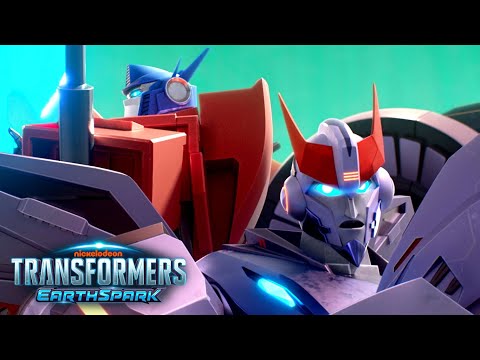
(Advanced stop-motion example, the basis of UGC content Hasbro's tools aim to democratize). Watch YouTube video(Transformers: EarthSpark - Official trailers showing modernized, diverse narratives for a new generation).
 Watch YouTube video
Values & Sustainability Marketing:
(Hasbro's 2023 ESG Report Video - Shows the language and commitments that will be integrated into direct-to-consumer marketing by 2026). Watch YouTube video
(Nerf Ultimate Championship Series - Example of the "esports/league" direction for physical play).The Creator Ecosystem & Original Content:
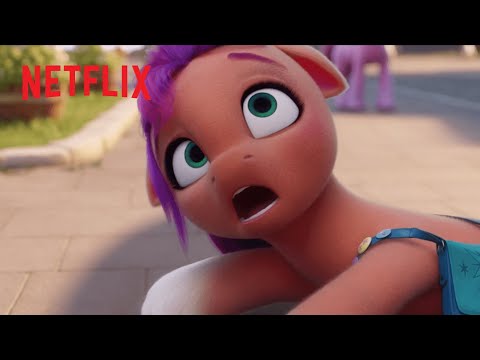
(Ryan's World - Marvel toy unboxing - Example of the dominant toy discovery format for Alpha). Watch YouTube video(My Little Pony: Tell Your Tale - Native digital series building lore and characters daily, key for persistent engagement).
 Watch YouTube video
Creation Tools & Customization:
Search YouTube for: "LEGO Builder App" or "Mixels App" to see examples of how other toy brands integrate digitalization with physical product, signaling the path for Hasbro's more advanced tools.
The ultimate metric for Hasbro in 2026 has fundamentally changed. It is no longer just retail sell-through or market share. The new KPIs are "Share of Creation," "Digital Engagement Depth," and "Values Alignment Score." When a child chooses a Hasbro IP as the foundational mythos for their Roblox game, the star of their first animated short, or the community with which they identify their values, Hasbro has achieved something more profound than a sale. It has become an integral, trusted co-author of a Generation Alpha childhood—a partner in play, creativity, and identity formation in a blended world.
Discover the best AI smart home appliances of 2026. Explore innovative technology that enhances convenience, efficiency, and security in your home.
Discover the latest Pharma Ad Trends for 2026 and learn how to simplify healthcare messages for better patient engagement and understanding.
Explore the artistry behind Dior's 2026 fragrance ads. Dive into a detailed analysis of cinematic techniques and storytelling that captivate audiences.
Discover the best fitness ads of 2026 as we compare Nike and Peloton's innovative marketing strategies. Uncover what sets them apart in the fitness industry.
Discover L'Oréal's innovative skincare ads for 2026, featuring cutting-edge visuals and technology that redefine beauty marketing. Explore the future now!
Discover the latest trends in humor-driven insurance marketing for 2026. Explore success stories that showcase creativity and engagement in the industry.
Discover the top 5 most creative bank spots of the year, showcasing innovative designs and unique customer experiences that redefine banking on trust.
Discover the emotional storytelling behind Mastercard's "Priceless" Campaign 2026. Explore how moments of connection create lasting memories and value.