

The annual showdown between Samsung and Apple is more than a product launch; it's a global cultural event that sets the tone for technology, design, and desire. In 2026, with the launch of the Samsung Galaxy S26 Ultra and the Apple iPhone 18 Pro/Pro Max (alongside the groundbreaking iPhone Fold), this rivalry reached a zenith of strategic clarity. Their flagship advertising campaigns were not just commercials, but declarations of philosophy. They presented two diametrically opposed visions for the future of personal technology: one rooted in awe-inspiring, spec-driven capability, and the other in seamless, emotionally resonant integration into the human story. This duel revealed less about whose phone was better and more about how each company believes we want to relate to the machines in our pockets.
The Strategic Chasm: Two Visions of the Future
The core of the 2026 advertising battle lies in a fundamental disagreement on what motivates a consumer at the premium tier.
Samsung's Ethos: The "Ultra" Promise of Engineered Potential
Samsung has long positioned itself as the "maker's brand," the choice for those who see a device as a tool for creation and boundary-pushing. The S26 Ultra campaign doubled down on this, selling a narrative of unleashed potential. The ads were cinematic spectacles, often depicting hyper-stylized, futuristic cityscapes or extreme natural environments where the phone's 200MP camera captured impossible detail, or its raw power enabled complex, multi-window productivity and blistering gaming performance.
YouTube:
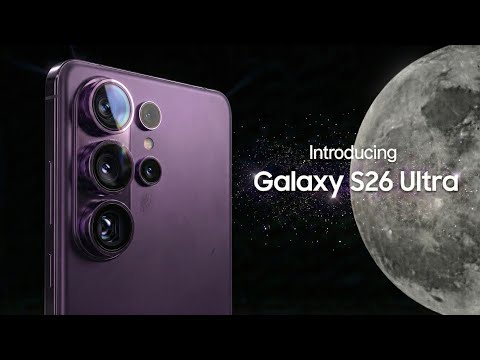
The messaging was clear: this device empowers you to do more, see more, and create more than you thought possible. The "Ultra Violet" hero color wasn't just a shade; it was a badge of futuristic audacity. Samsung sells the dream of mastery over technology, appealing to photographers, gamers, and power users who derive satisfaction from leveraging the absolute cutting edge.
Apple's Ethos: The "Pro" Promise of Effortless Enrichment
Apple, in stark contrast, sells the dream of technology that disappears. The iPhone 18 Pro campaign was a masterclass in lifestyle aspiration. The ads were warmly lit, intimately shot, and focused on diverse individuals using the phone not as a standout tool, but as a natural, almost invisible extension of their lives.
YouTube:
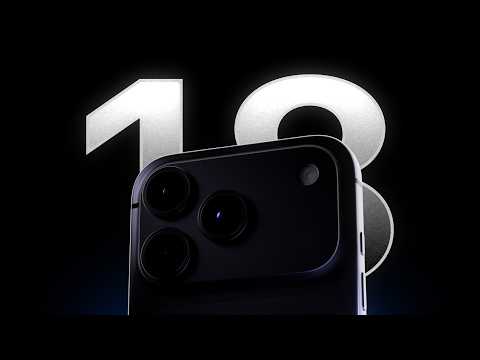
Features like the under-display Face ID and the variable aperture camera weren't touted for their technical wizardry, but for the elegant experiences they enabled—a seamless unlock, a perfectly captured spontaneous portrait in challenging light. Apple's narrative is about technology enhancing humanity without interrupting it. It sells belonging to a sophisticated, intuitive ecosystem where everything just works beautifully together.
The Foldable Frontier: Divergent Paths to the Same Form Factor
The introduction of the Apple iPhone Fold created the most fascinating contrast. While Samsung has had foldables for years, Apple's entry redefined the category's narrative through advertising.
Samsung's Foldable Narrative (Established): Historically, Samsung marketed foldables around productivity and novelty—a device that transforms from phone to mini-tablet, ideal for multitasking. It was a functional advantage.
Apple's Foldable Narrative (2026): Apple's launch spot for the iPhone Fold took a radically different tack. It focused on form, tactility, and desire. The ad was likely a symphony of sleek hinges, satisfying snaps, and the device folding/unfolding in the hands of stylish users in aspirational settings.
YouTube:
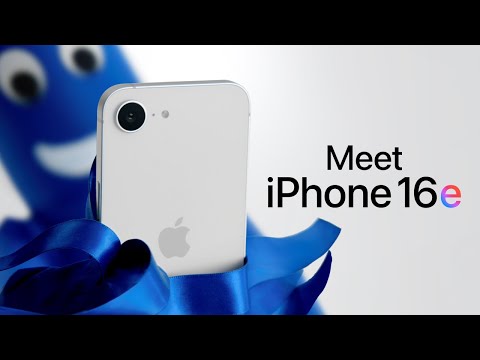
Apple wasn't selling a better way to check emails; it was selling a beautiful object that represented the pinnacle of design craft. It positioned the fold not as a utility, but as the ultimate expression of luxury and innovation, making the form factor itself feel new and covetable all over again.
The 2026 Smartphone Advertising Playbook: A Side-by-Side Analysis
| Core Consumer Promise | "Unlock Your Potential." Empowers you to achieve more. | "Enrich Your Life." Integrates seamlessly to make experiences better. |
| Primary Emotional Appeal | Awe & Capability. The thrill of power and frontier-breaking tech. | Belonging & Aspiration. The warmth of intuitive design and premium lifestyle. |
| Hero Feature Highlight | Specs as Hero (200MP camera, display specs). Tangible, measurable superiority. | Experience as Hero (Under-display Face ID, fold mechanism). Intangible feel and seamless function. |
| Visual & Aesthetic Language | Cinematic, high-contrast, futuristic. Feels like a sci-fi film trailer. | Lifestyle-oriented, intimate, warmly lit. Feels like a premium brand film or documentary. |
| Target Consumer Archetype | The Creator/The Enthusiast: Values raw power, customization, and being on the bleeding edge. | The Integrator/The Aspirer: Values simplicity, ecosystem harmony, design elegance, and brand prestige. |
| Implied Relationship with Tech | Mastery. The user commands the technology. | Partnership. The technology anticipates and serves the user. |
Analysis: The Inherent Risks in Each Philosophy
Both strategies, while powerful, navigate significant peril. Samsung's spec-heavy, futurist approach risks creating a cold, impersonal relationship with the consumer. In a world increasingly concerned with digital wellbeing, touting pure power can feel tone-deaf. There's also the "overpromise" risk—if real-world performance doesn't match the cinematic hype, it leads to cynicism and brand damage.
Apple's lifestyle-focused, premium narrative carries the risk of alienating the mainstream through perceived (and actual) exclusivity and high cost. The "walled garden" of its ecosystem can feel restrictive, and its emphasis on emotion over specs can frustrate prosumers who want to know the "how" behind the "wow." Furthermore, as both companies faced increasing pressure in 2026, the notable absence of robust sustainability messaging in these flagship glamour campaigns was a glaring vulnerability that competitors or critics could exploit.
Conclusion: The Duality of Desire
The Samsung vs. Apple ad war of 2026 ultimately presented consumers with a choice about their own identity. It asked: Do you see your smartphone as the most powerful tool in your arsenal, or as the most refined accessory to your life?
Samsung succeeded by making the future feel tangible and exhilarating, a cascade of megapixels and nano-meters. Apple succeeded by making the future feel intimate and inevitable, a natural next step in a beautifully designed life. One campaign appealed to our ambition to conquer digital frontiers; the other appealed to our desire for harmony and effortless elegance.
Their simultaneous success proves there is no single "right" way to market a smartphone, only a deeply understood way to connect with a specific human desire. Together, these campaigns didn't just sell phones; they framed the central tension of 21st-century tech consumption: the eternal pull between the thrill of limitless capability and the comfort of seamless, curated experience. The winner wasn't Samsung or Apple, but the consumer, presented with two brilliantly executed, fundamentally different visions of what a pocket-sized supercomputer can mean.
Discover the captivating background music featured in the Samsung SmartThings 2026 ad. Uncover the artist and track that enhances this innovative commercial.
Discover how Samsung Ads showcases the groundbreaking innovation of foldable technology, transforming the way we interact with devices and advertising.

Discover the top 5 electric vehicle commercials of 2026! Explore innovative ads that showcase the future of EVs and their impact on sustainable driving.

Discover Tesla's innovative marketing strategy for 2026 through an in-depth analysis of their impactful video campaigns. Uncover insights and trends now.
Discover how Philips Ads revolutionized tech marketing, influencing strategies and shaping the industry's future. Explore the impact today.

Discover the most influential advertising campaigns of the 2020s that transformed brands and captivated audiences. Explore creativity and impact today!

Discover how Siemens Ads transformed tech marketing strategies, driving innovation and engagement in the digital landscape. Explore the impact today.

Explore the effectiveness of celebrity endorsements in 2026. Discover trends, insights, and how they influence consumer behavior in today's market.

Discover why short-form video ads are dominating the marketing landscape in 2026. Explore the advantages of 15s over 60s ads for effective engagement.

Discover how CGI transforms modern advertising by reducing costs and enhancing visual effects. Explore the future of ads with cutting-edge technology.