

For decades, advertising narrative unfolded in minutes. A 60-second ad was the golden canvas: enough time to build a world, develop a character, weave an emotional plot, and culminate with a memorable brand message. They were small sponsored works of cinema. But in 2026, that canvas has shrunk to a fraction. In the mobile-first era, platforms like TikTok, Instagram Reels, and YouTube Shorts have not only changed where we see ads, but how they must be built from the ground up. The winning format is no longer measured in minutes, but in seconds. This article explores why short-form video (15 seconds) is clearly outperforming traditional 60-second ads, analyzing consumer psychology, the tyranny of algorithms, economic efficiency, and cultural impact in the new digital age.
📊 Direct Comparison: 15s vs. 60s in 2026
| User Attention | Matches fast-scrolling behavior; captures attention in less than 3 seconds. | High risk of drop-off before the key message is delivered. |
| Completion Rate | Much higher. The commitment is short, so more viewers watch to the end. | Significantly lower. Even interested viewers may skip midway. |
| Message Recall | Stronger for single, concise messages. Simplicity favors memorization. | Better for complex narratives or building deep emotional associations. |
| Platform Fit | Natively optimized for TikTok, Reels, Shorts, and social media in-feed ads. | Better suited for linear TV, streaming (YouTube pre-roll), or premium digital slots. |
| Cost Efficiency | Half the production and placement cost; easy to repurpose and test multiple variations. | Higher production and media buying costs; greater risk if the message doesn't connect. |
| Conversion Impact | Strong at the top of the funnel (awareness generation, site traffic, engagement). | More effective at the bottom of the funnel (consideration, conversion, brand loyalty). |
 Watch YouTube video

🚀 Why Short-Form Wins in 2026: The 5 Keys
1. The Psychology of Scrolling and Fragmented Attention
Neuromarketing studies are clear: an online user decides within the first 3-5 seconds whether to continue watching content. A 60-second ad starts with an insurmountable disadvantage: it must fight for a full minute against the innate impulse to swipe up. A 15-second ad, in contrast, respects and leverages this psychological reality. It is designed to deliver the impact (the hook) immediately and conclude before attention scatters. It doesn't fight the scroll; it navigates with it.
2. The Tyranny (and Opportunity) of the Algorithm
Short-form platforms are not neutral. They reward content that keeps users on the platform. TikTok's core algorithm, for example, aggressively measures full completion rate. A 15-second video that 80% of users watch to the end will be organically amplified, reaching an exponentially larger audience at no additional cost. A 60-second ad, with a naturally lower completion rate, is penalized by the same algorithm, limiting its organic reach and making each impression more expensive. In 2026, creating for the algorithm is as important as creating for the human.
3. Mobile-First Optimization and "On-The-Go" Consumption
Content consumption is predominantly mobile, vertical, and during interstitial moments (in line, on public transport, on a break). A 15-second ad loads faster, uses less data, and feels native to this flow. It fits perfectly into the pace of modern life: fast, efficient, and frictionless. A long ad, on the other hand, can be perceived as an intrusive interruption, an unwanted pause in the rhythm of the scroll.
4. The Neuroscience of Simplicity: "Less is More"
Cognitive science demonstrates that the brain processes video images in milliseconds. A well-designed, short advertising message maximizes absorption by reducing cognitive "noise." By presenting a single powerful idea (a benefit, an emotion, an offer), it radically increases the chances of retention and recall. Sixty seconds, if not masterfully executed, can dilute the core message with secondary information.
5. The Power of Repurposing and Creative Agility
In a fragmented media landscape, efficiency is everything. A central concept can produce multiple 15-second versions for different platforms, audiences, or objectives (one for TikTok, another for Reels, a version for YouTube Shorts). This allows for low-cost A/B testing, real-time optimization, and amortization of creative investment. Producing a single 60-second masterpiece is a monolithic, costly effort and less flexible for adapting to the different codes of each social network.
⚠️ Risks and Trade-offs of the Short Format
The victory of the short format is not absolute and is not without strategic disadvantages:
Deep Narrative Limits: It is virtually impossible to build a narrative with complex characters, a resonant emotional arc, or convincing testimony in 15 seconds. Campaigns that rely on elaborate storytelling (like John Lewis' Christmas ads or Patagonia's sustainability stories) still need the 60-second space or more.
The Conversion Gap: While 15s are champions at generating awareness and top-of-funnel engagement, they can underperform in driving complex actions like considering a major purchase, requesting a demo, or building long-term loyalty. Here, the depth of the 60-second message has value.
The Supreme Creative Challenge: Creating a impactful ad in 15 seconds is an exercise in extreme minimalism. Every frame, every word, every sound must justify its existence. The risk of falling into superficial, generic, or purely aesthetic messages is high for brands that do not master this art.
Case Studies: The Format in Action
TikTok Success: Virality as a Metric
Brands like e.l.f. Cosmetics or Duolingo have mastered the art of native 15-second ads on TikTok. They don't create "ads"; they create entertaining content that uses the platform's codes (audio trends, quick edits, absurd humor). The result is organic virality that amplifies the paid message, achieving massive reach at a very low cost per impression.
YouTube Shorts: Fast Education for Technical Products
Technology companies like Samsung or Google use 15-second formats on Shorts to highlight a single unique product feature. A quick video showing the camera quality of a new smartphone or the speed of an AI tool ensures the key message arrives before the skip button appears, something critical on a platform accustomed to skipping ads after 5 seconds.
Instagram Reels: Authenticity and Aspiration
Fashion and beauty brands, like Zara or Fenty Beauty, use Reels for 15-second ads that blend in with the organic content of creators and users. They are visually impeccable, fast, and focus on creating a mood or showing a product in use, driving direct traffic to the store or profile with a clear, immediate call to action.
The Surviving 60s: The Power of the Event
Despite the trend, long ads remain cultural events in specific contexts. The Super Bowl is the ultimate example: here, 60 seconds (or more) are a spectacle in themselves, anticipated and analyzed as part of the show. Seasonal emotional campaigns (Christmas) or corporate brand films also leverage this format to build an emotional legacy that a 15-second clip cannot achieve.
Conclusion: The Intelligent Dual Strategy
In 2026, declaring an absolute winner in a format is a strategic mistake. Short-form video (15s) is the undisputed king of efficiency, algorithm-adapted reach, and attention capture in the mobile world. It is the daily workhorse of digital advertising.
However, the 60-second (or longer) ad remains the specialized tool for emotional depth, long-term brand building, and the creation of shared cultural moments.
Therefore, the winning strategy is dual and integrated:
A network of 15s micro-ads to saturate social platforms, generate massive awareness, and drive traffic, optimized for the algorithm and the scroll.
Strategic 60s pillars for high-impact contexts (TV, streaming, main YouTube) where the goal is to tell a bigger story, move the audience, and establish brand purpose.
The brand of the future does not choose between seconds or minutes; it masters the art of telling the same truth at different time scales. In 2026, the battle for attention is won by being simultaneously concise and profound, fast and memorable.
🎥 Visual Examples on YouTube
TikTok Short-Form Ad Success:
Watch YouTube videoYouTube Shorts Brand Campaign:
Watch YouTube videoInstagram Reels Ad Case Study:
Watch YouTube videoClassic 60-Second TV Spot (John Lewis Christmas Ad):
Watch YouTube videoSuper Bowl 2024 Best Ads Compilation (60s format):
Watch YouTube video



Discover the full cast of the X Town Square ad, featuring diverse talents and engaging performances that bring the campaign to life. Explore now!
Discover the catchy song featured in the HP Work from Anywhere commercial. Uncover the artist and lyrics that make this ad memorable and engaging.
Discover effective strategies for conducting market research to enhance your campaigns. Learn how to gather insights that drive successful marketing decisions.

Discover how CGI transforms modern advertising by reducing costs and enhancing visual effects. Explore the future of ads with cutting-edge technology.

Discover the latest Super Bowl 2026 teasers with our roundup of the first leaked clips. Get a sneak peek at the excitement building for the big game!
Discover the latest UK advertising trends for 2026, exploring what's popular in British TV. Stay ahead in the evolving landscape of media and marketing.

Discover the most unique and innovative ads from Tokyo this week, showcasing the vibrant creativity that defines Japanese advertising. Explore now!

Dive into a nostalgic journey with iconic Barbie and Lego ads from the 90s. Relive the magic and creativity that defined a generation of playtime.
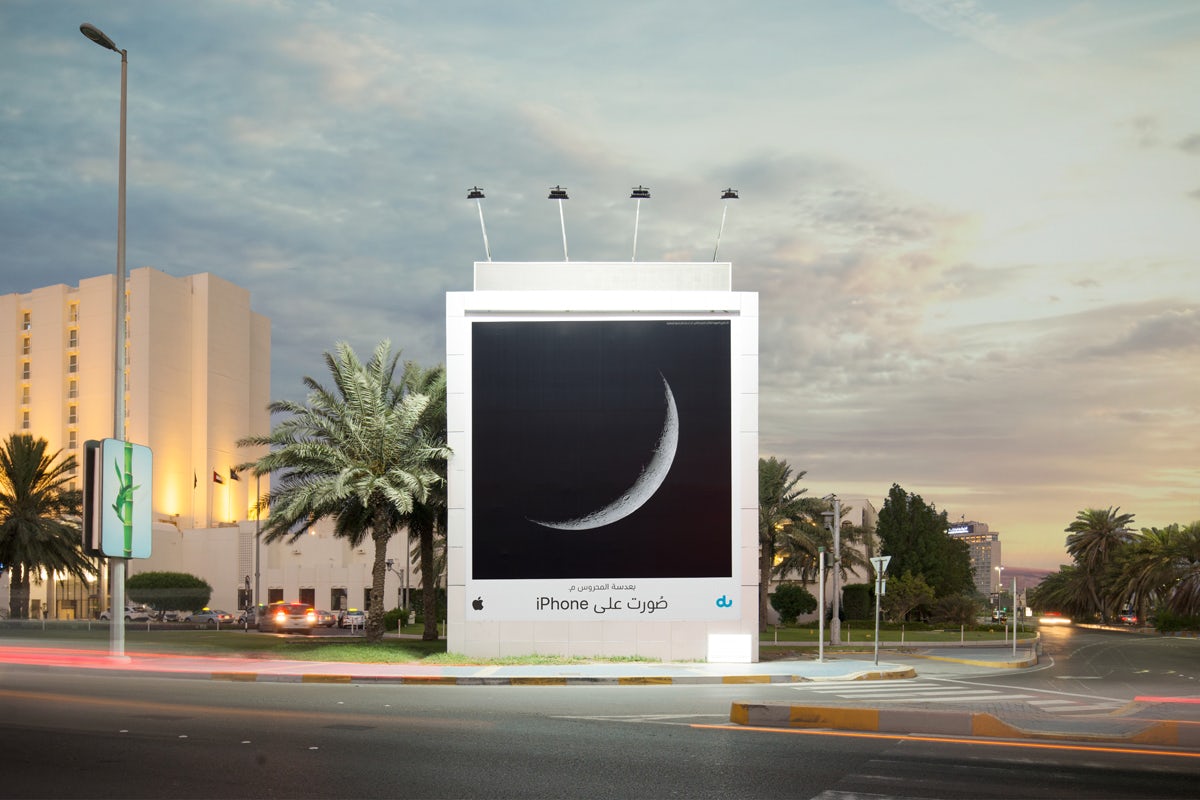
Explore the legacy of Apple's "Shot on iPhone" campaign, showcasing stunning photography and inspiring stories that redefine mobile photography.

Discover the most iconic summer campaigns in Africa, showcasing vibrant cultures, stunning landscapes, and unforgettable experiences that define the season.

Discover how Xerox ads revolutionized business marketing strategies, influencing brand messaging and consumer engagement in the modern marketplace.