

From Michael Jordan's iconic deal with Nike in the 80s to Beyoncé's global campaigns with Pepsi, celebrity endorsements have been the preferred mechanism for brands to build instant credibility and cultural relevance for decades. It was a simple pact: the star lent their fame; the brand, its budget. However, the advertising landscape of 2026 has evolved radically. The explosion of influencer marketing, the demand for authenticity from hyper-connected audiences, and the dominance of platforms that reward genuine interaction over superficial reach have challenged the traditional model. The key question is: Are celebrity endorsements still effective today? The answer is a nuanced yes. They remain powerful tools, but their efficacy is no longer automatic; it depends on strategic, intelligent integration adapted to the new rules of the game.
📊 Celebrities vs. Influencers in 2026: A Redefined Playing Field
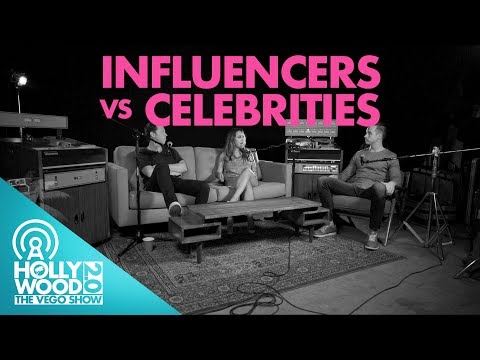
The competition is no longer just between brands, but between two distinct models of influence. Understanding their differences is key to designing a winning strategy.
| Audience Reach | Broad, mass-market, and demographically diverse. | Niche, highly segmented, and engaged communities. |
| Engagement Rates | Generally lower (broad reach, but shallow interaction). | Substantially higher (connection perceived as authentic and interactive). |
| Cost | Premium pricing. Top-tier stars can charge over $20M per campaign. | Scalable. Options from accessible micro-influencers to mega-influencers with high budgets. |
| Perceived Credibility | Strong if the association is genuine and aligns with the celebrity's values. | Often greater, due to the perception of authenticity, transparency, and proximity to their community. |
| Best Use Case | Brand launches, massive cultural events (Super Bowl, Met Gala), global awareness campaigns. | Targeted promotions, conversion generation, product education, long-term community building. |
 Watch YouTube video

🔑 Why Celebrity Endorsements Still Work in 2026
Their value has mutated, but it hasn't disappeared. They have specialized in very specific strategic functions where they maintain a competitive advantage.
1. Instant Mass Awareness
Global celebrities remain unbeatable for generating billions of impressions in record time. A Super Bowl ad with a star like Taylor Swift or Travis Kelce not only captures the attention of the most-watched sporting event in the US but becomes global news, generating a cycle of free media coverage and social media conversation that no other vehicle can match in speed and scale.
2. Association and Image Transfer
The magic of association is still alive. A celebrity doesn't just sell a product; they transfer part of their essence to the good or service. For luxury brands like Louis Vuitton or Cartier, associating with a high-prestige film or music figure (e.g., Timothée Chalamet, Zendaya) directly reinforces the attributes of exclusivity, sophistication, and aspiration. In sports, association with an elite athlete like Serena Williams or Lionel Messi instantly communicates excellence, performance, and resilience.
3. Creation of Cultural Moments
Major global cultural events are still built on celebrity power. The Super Bowl, Oscars, Met Gala, or launch of a historic album are stages where a celebrity's presence is not an add-on but the core of the event. Brands that participate in these moments through a well-chosen celebrity insert themselves directly into the cultural conversation, gaining relevance beyond the commercial.
4. The Multi-Celebrity Strategy
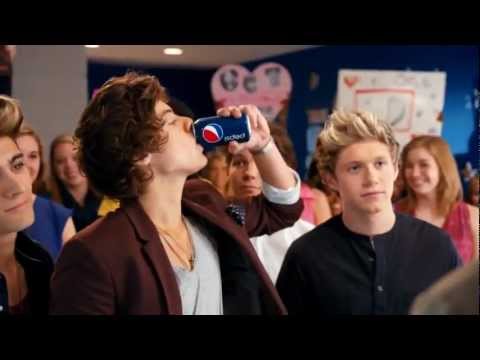
The most recent market research reveals a crucial finding: ads featuring two or more celebrities together generate a significantly stronger consumer response. This synergy increases brand attitude and purchase intention. This phenomenon, used brilliantly by brands like Pepsi or Samsung, creates a "star universe" effect that magnifies impact, attracts multiple fan bases, and generates greater hype than a single star.
⚠️ Critical Risks and Challenges in 2026
The path of celebrity endorsement is fraught with new pitfalls:
Prohibitive Costs and Difficult-to-Measure ROI: Fees can exceed $20 million for an annual deal, plus multi-million dollar production budgets. In an era obsessed with digital ROI, justifying this spend against more measurable, lower-cost alternatives is a constant challenge for CMOs.
The Authenticity Gap: An audience educated in influencer transparency may perceive celebrity ads as transactional and inauthentic. If the association is not credible (e.g., a star promoting a product they clearly don't use), the backlash can outweigh the benefit.
Saturation and Fatigue: The overuse of celebrities in categories like perfumes, watches, or alcoholic beverages has led to visual saturation. Consumers may begin to see campaigns as a homogeneous block, diluting the brand message and recall.
Direct Competition from Influencer Marketing: This industry has matured into a $21 billion market, with sophistication ranging from hyper-local nano-influencers to creators with more loyal and engaged audiences than many traditional stars. In key metrics like engagement rate and direct conversion, influencers often outperform celebrities.
Case Studies: Power in Action
Nike and Perennial Athletic Endorsement
Nike doesn't "hire" athletes; it partners with legends. The relationship with figures like LeBron James, Naomi Osaka, or Kylian Mbappé transcends mere contracts. These associations are effective because they are inherently authentic: the product is an extension of the athlete's performance. Nike isn't selling sneakers; it's selling the dream of athletic greatness, and the celebrity is the personification of that dream.
Pepsi and the Super Bowl Spectacle
Pepsi has mastered the art of the multiple celebrity cameo. Its Super Bowl ads, often bringing together musicians, actors, and athletes, are pure mass entertainment. Their value lies in generating that peak of global conversation and positioning Pepsi as a central brand in pop culture. The risk, which they manage skillfully, is not sacrificing the brand message on the altar of mere spectacle.
Luxury Brands: Exclusivity as Currency
In the luxury universe, celebrity remains the master key. Dior, Chanel, or Rolex select their ambassadors with surgical precision, seeking a perfect alchemy between the brand's legacy and the star's public image. Here, the goal is not immediate conversion, but reinforcing a myth, an aspiration unattainable for most but desirable by all.
The Metrics Battle: Influencer vs. Celebrity
A paradigm case: a skincare brand might spend $10M on a campaign with a Hollywood actress for its new serum. It will achieve massive reach. Concurrently, a campaign with 500 micro-influencers specialized in skincare, with a much lower budget, could generate a similar volume of conversations, with engagement rates 10 times higher and a clearly superior direct return on investment. This is the dilemma that defines modern strategy.
Conclusion: The Winning Formula is Hybrid
In 2026, the question is no longer "Celebrity or influencer?" The strategic question is "How do I integrate both to maximize my impact?"
The hybrid strategy is the key to contemporary success:
Use the Celebrity as a Beacon: Employ star power to illuminate the landscape, create a cultural moment, and establish the brand's prestige and aspiration. It is the mass hook, the attention magnet.
Use the Influencer as a Connector: Leverage the network of creators, from macro to nano, to translate that momentum into authentic conversations, deep product education, trusted recommendations, and, ultimately, conversions. They are the bridges connecting the beacon to the harbor.
Celebrity endorsement is not dead; it has specialized. It remains the ultimate tool for reach and prestige. But in an ecosystem where trust is built with authenticity and proximity, it must go hand-in-hand with the voices closest to the consumer. The winning formula in 2026 is, without a doubt, hybrid.
🎥 Visual Examples on YouTube
Nike Celebrity Endorsement Campaign (2026):
Watch YouTube videoPepsi Super Bowl Celebrity Spot:
Watch YouTube videoMulti-Celebrity Endorsement Ad Case Study:
Watch YouTube videoInfluencer vs Celebrity Ad Comparison:
Watch YouTube video

Discover the full cast of the X Town Square ad, featuring diverse talents and engaging performances that bring the campaign to life. Explore now!
Discover the catchy song featured in the HP Work from Anywhere commercial. Uncover the artist and lyrics that make this ad memorable and engaging.
Discover effective strategies for conducting market research to enhance your campaigns. Learn how to gather insights that drive successful marketing decisions.

Discover why short-form video ads are dominating the marketing landscape in 2026. Explore the advantages of 15s over 60s ads for effective engagement.

Discover how CGI transforms modern advertising by reducing costs and enhancing visual effects. Explore the future of ads with cutting-edge technology.

Discover the latest Super Bowl 2026 teasers with our roundup of the first leaked clips. Get a sneak peek at the excitement building for the big game!
Discover the latest UK advertising trends for 2026, exploring what's popular in British TV. Stay ahead in the evolving landscape of media and marketing.

Discover the most unique and innovative ads from Tokyo this week, showcasing the vibrant creativity that defines Japanese advertising. Explore now!

Dive into a nostalgic journey with iconic Barbie and Lego ads from the 90s. Relive the magic and creativity that defined a generation of playtime.

Explore the legacy of Apple's "Shot on iPhone" campaign, showcasing stunning photography and inspiring stories that redefine mobile photography.

Discover the most iconic summer campaigns in Africa, showcasing vibrant cultures, stunning landscapes, and unforgettable experiences that define the season.