

For over a century, Philips hasn't simply been a technology company; it has been a storyteller. In a sector often obsessed with gigahertz, pixels, and lumens, Philips took a different route: connecting innovation with the human heartbeat. Its advertising has consistently and powerfully demonstrated that technology is not best sold by its specifications, but by its capacity to improve lives, touch emotions, and contribute to a more sustainable world. This article explores how Philips' advertising philosophy has shaped the evolution of technology marketing, setting a standard that giants like Apple, Samsung, and IBM would eventually adopt.
🌍 The Philips Advertising Philosophy: Beyond the Product
The enduring success of Philips in communication is based on fundamental principles that transcended mere product promotion to build a brand with purpose.
1. Human-Centered Storytelling
While its competitors listed technical features, Philips asked, "What is it for?" Its emblematic slogan “Innovation and You” encapsulates this idea: innovation only makes sense in relation to people.
Example: Ads for Sonicare electric toothbrushes never focused on rotation speed. Instead, they showed radiant smiles, renewed confidence, and long-term oral health, linking the product to personal well-being and self-esteem.
Impact: This approach humanized complex technology, making it accessible and desirable. It encouraged the entire sector, from consumer electronics to B2B, to adopt an emotional narrative, proving that benefits are sold, not features.
2. Lifestyle Integration
Philips understood early that technology must integrate seamlessly into daily life. Its campaigns presented products not as isolated gadgets, but as enablers of experiences.
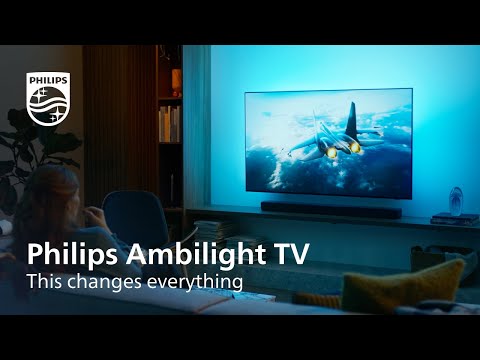
Example: Ambilight TV ads didn't talk about contrast ratio, but about cinematic immersion in the living room. Airfryer kitchen products were promoted as allies for a healthier, more convenient life, not just as fryers.
Impact: This vision deeply influenced consumer marketing. Campaigns like Apple’s “Shot on iPhone,” which celebrates user creativity, or Samsung's ads about connected devices, are direct heirs to this idea of marketing a lifestyle, not a printed circuit board.

3. Sustainability as a Core Narrative
Philips was a pioneer in integrating environmental responsibility not only into its operations but into the heart of its communication.
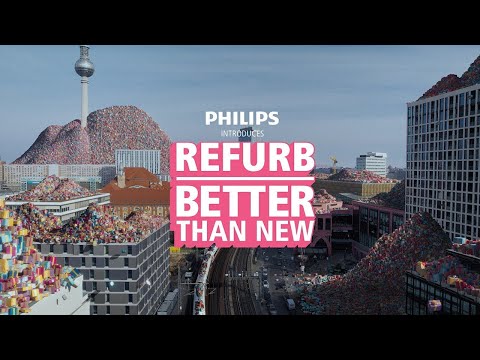
Example: Its “Better Than New” campaign openly promoted refurbished products, challenging the stigma of "used" and positioning it as a smart, responsible choice. Its commitment to the circular economy became an advertising pillar.
Impact: It elevated sustainability from a CSR initiative to a competitive marketing argument. It pushed competitors like Dell and HP to aggressively develop and communicate their own circularity and recycling programs, making "eco-friendly" a key battleground.
4. Digital-First Engagement
Anticipating the digital era, Philips built ecosystems of engagement. It used interactive storytelling, online communities for patients and healthcare professionals, and social media campaigns that fostered conversation.
Impact: It demonstrated that modern engagement goes beyond the 30-second ad. It encouraged technology brands to prioritize digital-first strategies, where content, community, and customer service merge into a cohesive brand experience.
📊 Influence on Tech Marketing: A Model to Follow
Philips' philosophy didn't stay within its own campaigns; it filtered into the industry, redefining how technology companies speak to their audiences.
| Human-centered storytelling | Shifted B2B and B2C ads towards emotional, benefit-based stories. | IBM’s “Smarter Planet” campaign, which humanized big data and AI by showing its impact on cities and services. |
| Lifestyle integration | Technology began to be marketed as an inseparable part of daily life and personal identity. | Google Nest, whose ads show how its devices create a safer, more comfortable, and efficient home for families. |
| Sustainability campaigns | Made ecological awareness a central element of the brand's value proposition. | Dell ads about using recycled ocean plastics in its laptops. |
| Digital-first engagement | Encouraged brands to prioritize social ecosystems and interactive narratives. | Global Samsung Galaxy launches, integrating influencers, immersive YouTube content, and AR experiences pre-launch. |
🚀 Iconic Campaigns: Where Strategy Comes to Life
🎬 Carousel (2009)
A cinematic advertisement for Philips Cinema 21:9 TVs that was a work of art in itself. In a single frozen shot of a crime scene, the camera moves to reveal details, accompanied by MGMT's "Time to Pretend."
Impact: Raised the bar for production value in electronics advertising, demonstrating that a TV ad could be a short film appreciated for its artistic merit. Inspired a wave of cinematic storytelling in the sector.
💡 Better Than New (Refurbishment Campaign)
A bold and transparent campaign that celebrated Philips' refurbished products, highlighting their quality, warranty, and environmental benefits.
Impact: Broke commercial taboos and positioned sustainability not as a sacrifice, but as a smart choice. Challenged the entire industry to rethink its consumption and communication model.
🎶 Breathless Choir (2015)
Arguably one of the most moving campaigns in marketing history. It showed patients with COPD (Chronic Obstructive Pulmonary Disease) forming a choir, regaining their breath and the joy of singing thanks to Philips' respiratory care devices.
Impact: Deeply humanized healthcare technology. It fused proof of innovation with a powerful emotional charge, showing that the end result of technology is human dignity, connection, and joy. It won numerous awards and went viral for its honesty.
🌱 Care Means the World (2023)
A comprehensive campaign that inextricably linked the healthcare of people with the health of the planet. It promoted sustainable, energy-efficient healthcare solutions.
Impact: Consolidated Philips' position as a thought leader, reinforcing the idea that 21st-century technology brands must address global challenges holistically. It charted the course for purpose-driven corporate communication.
⚠️ Risks and Challenges
This sophisticated approach is not without difficulties:
Complexity: Balancing technical depth (especially in healthcare) with a simple, emotional narrative is a constant challenge. The risk of overwhelming or confusing the audience is real.
Authenticity: The emotional and sustainability narrative must be backed by real actions and tangible results. "Greenwashing" or empty sentimentalism is quickly perceived by modern consumers and can cause severe damage to brand credibility.
Competition and Differentiation: By turning its strategies into industry standards, Philips saw its own principles adopted by competitors. Remaining a visionary and differentiated leader requires constant innovation, both in product and communication.
Cultural Resonance: Technology with Soul
Philips' campaigns transcend the commercial to become cultural statements. They address universal values like health, hope, responsibility, and human connection. "Breathless Choir" wasn't just an ad; it was a testament to overcoming and resilience. "Care Means the World" is a manifesto on planetary interdependence.
This legacy demonstrates that the most impactful technology advertising doesn't shout about a chip's capabilities, but whispers about possibilities for humanity. It creates a social conversation, not just a transaction.
🎥 The Visual Legacy: The Campaigns That Define It
The power of this philosophy materializes in its visual work. You can experience the evolution and mastery of Philips' storytelling through these key campaigns:
Philips – Carousel (Cinema 21:9 TV Ad, 2009):
 Watch YouTube video
Philips – Breathless Choir (2015):
Watch YouTube videoPhilips – Better Than New (Refurbishment Campaign):
Watch YouTube videoPhilips – Care Means the World (2023):
Watch YouTube videoPhilips – Ambilight TV Experience Ad:
Watch YouTube video


Conclusion: The Enduring Legacy of Philips in Technology Marketing
Philips didn't just sell appliances; it sold a point of view. Its legacy in technology marketing is proof that the most effective way to connect with audiences is not through specification, but through signification.
By constantly bridging innovation with human emotion, and by embracing sustainability as a narrative axis, Philips established the template for modern corporate communication: it must be credible, human-centered, and digitally integrated. In 2026, as brands battle for attention in a saturated world, the Philips example remains an essential beacon: technology with a clear human purpose not only sells better but endures, inspires, and defines real progress.
Discover the song featured in the Philips Hue 2026 "Color Your Life" commercial. Uncover the melody that brings vibrant moments to life.
Discover how Philips crafted its advertising legacy, shaping brand identity and consumer engagement through innovative strategies and memorable campaigns.

Discover the most influential advertising campaigns of the 2020s that transformed brands and captivated audiences. Explore creativity and impact today!

Discover how Siemens Ads transformed tech marketing strategies, driving innovation and engagement in the digital landscape. Explore the impact today.

Explore the effectiveness of celebrity endorsements in 2026. Discover trends, insights, and how they influence consumer behavior in today's market.

Discover why short-form video ads are dominating the marketing landscape in 2026. Explore the advantages of 15s over 60s ads for effective engagement.

Discover how CGI transforms modern advertising by reducing costs and enhancing visual effects. Explore the future of ads with cutting-edge technology.

Discover the latest Super Bowl 2026 teasers with our roundup of the first leaked clips. Get a sneak peek at the excitement building for the big game!
Discover the latest UK advertising trends for 2026, exploring what's popular in British TV. Stay ahead in the evolving landscape of media and marketing.

Discover the most unique and innovative ads from Tokyo this week, showcasing the vibrant creativity that defines Japanese advertising. Explore now!