

Advertising has always sought visual impact, but for decades it was subject to the harsh laws of physical reality: exorbitant budgets for sets, location limitations, impossible logistics, and the tyranny of time. The arrival of Computer-Generated Imagery (CGI) has dismantled these barriers, radically transforming the industry. What began as a special effect reserved for science fiction cinema has become the invisible pillar of the most iconic campaigns of the 21st century. This article explores how CGI is not just a creative tool, but a strategic engine redefining the economy, creativity, and sustainability of modern advertising.
💰 Cost Efficiency: Radical Reduction of Barriers
The economic argument for CGI is overwhelming. It has democratized high-quality production, allowing brands of all sizes to compete on visual ground.
1. Zero Logistics: Sets, Travel, and Hidden Costs Disappear
Previously, an automotive commercial involved transporting a fleet of prototypes worth millions across continents, closing roads, paying permits, and managing crews of hundreds. Today, the environment, the road, and even the vehicle itself can be completely digital.
Example: The electric car brand Lucid Motors extensively uses CGI to create driving scenes in hyper-realistic or futuristic landscapes that would be prohibitively expensive to film.
Impact: Monumental savings in transportation, insurance, location rentals, and crew size, redirecting the budget towards pure creativity or media buying.
2. Reusable Assets: The Infinite Digital Library
The initial investment in a high-fidelity 3D model is significant, but its return is exponential. A single model can be reused, modified, and deployed in countless contexts over years.
Example: Nike can create a perfect 3D model of its new Air Max. This same digital asset appears in the TV commercial, spins 360° on its website, adapts to an Instagram filter for virtual "try-on," and is used to generate thousands of catalog images for online retailers.
Impact: Absolute brand consistency across all touchpoints and a drastic reduction in production cycles for new marketing materials.
3. Accelerated Production and Total Flexibility
CGI eliminates the concept of costly reshoots. Changes are a matter of software.
Example: A beverage brand wants to test its new can in 10 different color combinations. With CGI, this is achieved in hours by adjusting material parameters. Traditionally, it would require painting 10 sets of physical cans and possibly separate photo sessions.
Impact: Brands can respond to market trends in real time, launch regional variations effortlessly, and optimize campaigns on the fly with previously unthinkable agility.
 Watch YouTube video
🎨 Creative Freedom: Where Imagination is the Only Limit
Beyond savings, CGI has ushered in a new era of visual storytelling. It frees creatives from physical constraints, allowing the boldest ideas to come to life.
1. Unlimited Possibilities and Impossible Worlds
CGI enables the construction of universes that defy physics and logic, creating an indelible visual footprint.
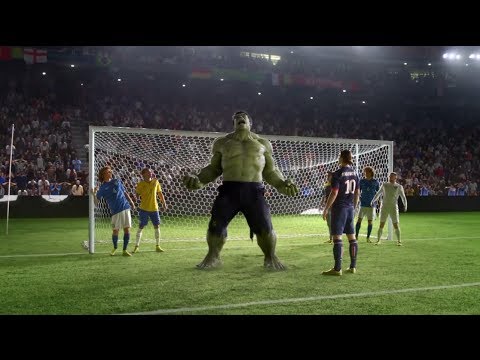
Example: Iconic Nike "Write the Future" ads or Adidas ads with surreal worlds where sport deforms reality. These epic narratives would be economically unfeasible to film practically.
Impact: Generates highly shareable content that transcends advertising to become entertainment and visual art, capturing attention in a saturated media landscape.
2. Flawless Perfection and Relentless Consistency
CGI offers total control over every visual variable. There is no bad weather, imperfect light, or melting products.
Example: Food brands like McDonald's, Burger King, or Häagen-Dazs use CGI to present burgers, shakes, and ice cream in a state of perpetual perfection. Every pickle, every drop of condensation, is meticulously placed in the digital world.
Impact: The brand presents an idealized, impeccable visual identity in every campaign, reinforcing quality and desirability attributes without the costs and waste associated with traditional food styling.
🌍 Sustainability: The Green Footprint of Digital Advertising
In an era of climate consciousness, CGI offers a compelling sustainability argument.
Reduced Carbon Footprint: Eliminates the need for international air travel for crews and talent, heavy equipment transport, and single-use set constructions. A global campaign can be coordinated from virtual studios in different countries, minimizing emissions.
Digital-First Approach and Zero Waste: By creating digital products and environments, the physical waste of construction materials, disposable sets, and, in the case of food, tons of discarded items after shooting is eliminated. This perfectly aligns with the ESG (Environmental, Social, and Governance) goals that modern corporations prioritize.
Advertising has always sought visual impact, but for decades it was subject to the harsh laws of physical reality: exorbitant budgets for sets, location limitations, impossible logistics, and the tyranny of time. The arrival of Computer-Generated Imagery (CGI) has dismantled these barriers, radically transforming the industry. What began as a special effect reserved for science fiction cinema has become the invisible pillar of the most iconic campaigns of the 21st century. This article explores how CGI is not just a creative tool, but a strategic engine redefining the economy, creativity, and sustainability of modern advertising.
💰 Cost Efficiency: Radical Reduction of Barriers
The economic argument for CGI is overwhelming. It has democratized high-quality production, allowing brands of all sizes to compete on visual ground.
1. Zero Logistics: Sets, Travel, and Hidden Costs Disappear
Previously, an automotive commercial involved transporting a fleet of prototypes worth millions across continents, closing roads, paying permits, and managing crews of hundreds. Today, the environment, the road, and even the vehicle itself can be completely digital.
Example: The electric car brand Lucid Motors extensively uses CGI to create driving scenes in hyper-realistic or futuristic landscapes that would be prohibitively expensive to film.
Impact: Monumental savings in transportation, insurance, location rentals, and crew size, redirecting the budget towards pure creativity or media buying.
2. Reusable Assets: The Infinite Digital Library
The initial investment in a high-fidelity 3D model is significant, but its return is exponential. A single model can be reused, modified, and deployed in countless contexts over years.
Example: Nike can create a perfect 3D model of its new Air Max. This same digital asset appears in the TV commercial, spins 360° on its website, adapts to an Instagram filter for virtual "try-on," and is used to generate thousands of catalog images for online retailers.
Impact: Absolute brand consistency across all touchpoints and a drastic reduction in production cycles for new marketing materials.
3. Accelerated Production and Total Flexibility
CGI eliminates the concept of costly reshoots. Changes are a matter of software.
Example: A beverage brand wants to test its new can in 10 different color combinations. With CGI, this is achieved in hours by adjusting material parameters. Traditionally, it would require painting 10 sets of physical cans and possibly separate photo sessions.
Impact: Brands can respond to market trends in real time, launch regional variations effortlessly, and optimize campaigns on the fly with previously unthinkable agility.
🎨 Creative Freedom: Where Imagination is the Only Limit
Beyond savings, CGI has ushered in a new era of visual storytelling. It frees creatives from physical constraints, allowing the boldest ideas to come to life.
1. Unlimited Possibilities and Impossible Worlds
CGI enables the construction of universes that defy physics and logic, creating an indelible visual footprint.
Example: Iconic Nike "Write the Future" ads or Adidas ads with surreal worlds where sport deforms reality. These epic narratives would be economically unfeasible to film practically.
Impact: Generates highly shareable content that transcends advertising to become entertainment and visual art, capturing attention in a saturated media landscape.
2. Flawless Perfection and Relentless Consistency
CGI offers total control over every visual variable. There is no bad weather, imperfect light, or melting products.
Example: Food brands like McDonald's, Burger King, or Häagen-Dazs use CGI to present burgers, shakes, and ice cream in a state of perpetual perfection. Every pickle, every drop of condensation, is meticulously placed in the digital world.
Impact: The brand presents an idealized, impeccable visual identity in every campaign, reinforcing quality and desirability attributes without the costs and waste associated with traditional food styling.
🌍 Sustainability: The Green Footprint of Digital Advertising
In an era of climate consciousness, CGI offers a compelling sustainability argument.
Reduced Carbon Footprint: Eliminates the need for international air travel for crews and talent, heavy equipment transport, and single-use set constructions. A global campaign can be coordinated from virtual studios in different countries, minimizing emissions.
Digital-First Approach and Zero Waste: By creating digital products and environments, the physical waste of construction materials, disposable sets, and, in the case of food, tons of discarded items after shooting is eliminated. This perfectly aligns with the ESG (Environmental, Social, and Governance) goals that modern corporations prioritize.
⚡ Speed & Scalability: The Engine of E-commerce
CGI is the fundamental ally of online commerce. It allows scaling visual production at a speed that traditional photography cannot match.
Instant Catalogs: A retailer like IKEA or Amazon may need thousands of images from unique angles for its products. CGI can generate them automatically, ensuring lighting and quality consistency across the entire platform.
Mass Personalization with AI: Combined with artificial intelligence, CGI enables hyper-personalization. A car advertisement could automatically show the color and wheels a user previously viewed on the website, all rendered in real time.
Real-World Case Studies
Automotive: BMW's Immersive Showroom
BMW has developed complete virtual showroom experiences where customers can explore every detail of a vehicle's interior and exterior, change colors and wheels, and view the car in different environments. This not only reduces physical inventory costs but expands the brand's global reach in an accessible way.
Technology: Apple's Precious Precision
Apple has elevated CGI to an art form in its product launches. Its videos feature impossible shots that travel through the M4 chip or magically disassemble an iPhone to reveal its interior. This usage reinforces its image as a leader in design and innovation, communicating technical complexity with sublime visual beauty.
Food: McDonald's Eternal Burger
McDonald's is famous for using CGI to create its advertising burgers. This process, known as "food CGI," ensures each product looks identical and appetizing in every market worldwide, solving consistency issues and greatly reducing food waste on photo sets.
⚠️ Risks & Challenges: The Shadow of the Digital
The dominance of CGI is not perfect and presents new challenges:
Initial Investment and Talent Gap: Significant investment in specialized software (Unreal Engine, Maya, Cinema 4D) is required, and most crucially, in highly skilled 3D artists, lighting artists, and animators, a scarce and competitive talent pool.
The "Uncanny Valley" Risk and Loss of Authenticity: Excessive or clumsy use of CGI can result in an artificial feeling that alienates the viewer. The public values authenticity, and a balance with real elements (like real people interacting with CGI objects) is often more effective.
Visual Standardization: If all brands adopt an impeccable CGI aesthetic, there is a risk that advertising loses texture and visual diversity, creating a homogeneous advertising landscape.
Cultural Resonance: Creating Digital Icons
CGI transcends utility to touch culture. It has created enduring symbols that intertwine with brand identity.
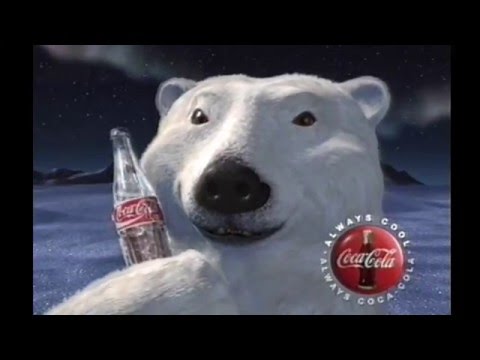
Example: Coca-Cola's animated polar bears, introduced in the 90s and perfected with CGI, became a sentimental pillar of Christmas campaigns, fusing tradition with cutting-edge technology.
Impact: Demonstrates that CGI, when used with heart, can generate deep emotional connections and build legacies that last for generations.
🎥 CGI in Action: A Visual Demonstration
To fully appreciate this revolution, it is essential to see it:
Nike – CGI Sports Ad (Virtual Stadium Experience):
Watch YouTube videoCoca-Cola – CGI Holiday Ad (Animated Polar Bears):
Watch YouTube videoApple – CGI Product Launch Spot (iPhone Visual Effects):
Watch YouTube videoMcDonald’s – CGI Food Styling Ad (Perfect Burgers):
Watch YouTube videoBMW – CGI Automotive Ad (Virtual Showroom):
Watch YouTube video



Conclusion: The Future is a Render
CGI has ceased to be a complement to become the core of modern advertising strategy. It's not just about doing the old things cheaper, but about making the new possible. It offers a powerful trifecta: radical economic efficiency, an unprecedented expansion of the creative palette, and a clear path towards more sustainable production.
The future of advertising will not necessarily be recorded with a camera; it will be rendered. The brand that masters the art of telling compelling stories within digital worlds, while keeping human authenticity at the center, will define the next era of advertising spectacle. In 2026, imagination, finally, has no overage charges.
Discover the full cast of the X Town Square ad, featuring diverse talents and engaging performances that bring the campaign to life. Explore now!
Discover the catchy song featured in the HP Work from Anywhere commercial. Uncover the artist and lyrics that make this ad memorable and engaging.
Discover effective strategies for conducting market research to enhance your campaigns. Learn how to gather insights that drive successful marketing decisions.

Discover the latest Super Bowl 2026 teasers with our roundup of the first leaked clips. Get a sneak peek at the excitement building for the big game!

Discover the latest UK advertising trends for 2026, exploring what's popular in British TV. Stay ahead in the evolving landscape of media and marketing.

Discover the most unique and innovative ads from Tokyo this week, showcasing the vibrant creativity that defines Japanese advertising. Explore now!

Dive into a nostalgic journey with iconic Barbie and Lego ads from the 90s. Relive the magic and creativity that defined a generation of playtime.
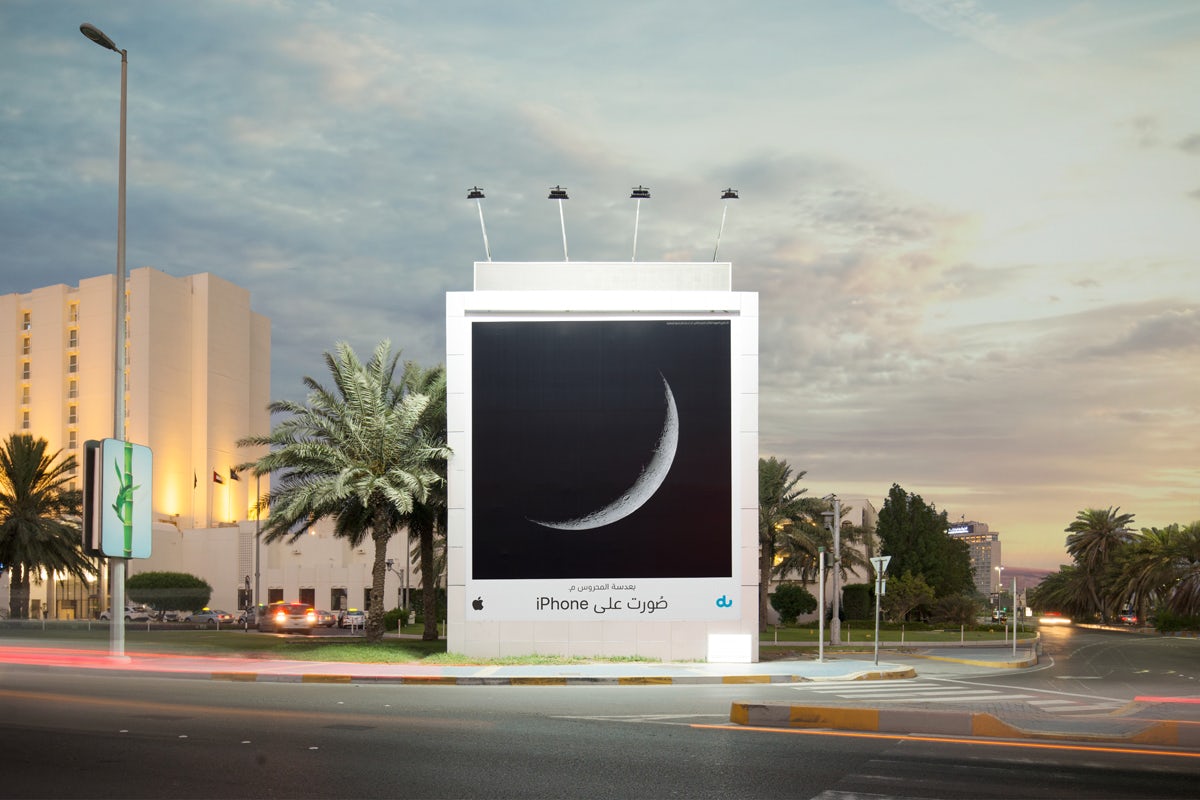
Explore the legacy of Apple's "Shot on iPhone" campaign, showcasing stunning photography and inspiring stories that redefine mobile photography.

Discover the most iconic summer campaigns in Africa, showcasing vibrant cultures, stunning landscapes, and unforgettable experiences that define the season.

Discover how Xerox ads revolutionized business marketing strategies, influencing brand messaging and consumer engagement in the modern marketplace.

Discover how NEC Ads transformed tech marketing strategies, driving innovation and engagement in the digital landscape. Explore the impact today!