
In 2004, a three-minute film premiered that would forever change the landscape of luxury advertising. It starred Nicole Kidman, was directed by Baz Luhrmann, and cost an unprecedented $33 million—more than many independent feature films. It was not a movie, but a commercial for Chanel No. 5.
Yet to call it a "commercial" feels inadequate. "No. 5 The Film" was a cinematic event that blurred the boundaries between advertising and art. It transformed a fragrance launch into a global cultural moment and set a new standard for how luxury brands could use storytelling, celebrity, and cinematic ambition.
This article explores the making of this landmark campaign, why Nicole Kidman was the perfect choice, and how a three-minute advertisement became one of the most influential pieces of marketing in history.
The Making of No. 5 The Film
Baz Luhrmann's Cinematic Vision
Director Baz Luhrmann was already famous for his visually extravagant films like Moulin Rouge! and Romeo + Juliet. When Chanel approached him to create a commercial for No. 5, he didn't think in terms of seconds; he thought in terms of narrative.
The result was a three-minute short film with all the hallmarks of Luhrmann's style: sweeping cityscapes, dramatic costumes, emotional storytelling, and a dreamlike quality. The ad was shot like a Hollywood production, with a full crew, elaborate sets, and a narrative arc that could stand on its own.
The music, an arrangement of Debussy's "Clair de Lune" by Craig Armstrong, added to the film's ethereal atmosphere. It was romantic, melancholic, and utterly captivating—the perfect sonic backdrop for a story about love, fame, and escape.
Nicole Kidman's Role
Kidman played a version of herself—a famous movie star, hounded by paparazzi, exhausted by fame. In the opening scene, she stages her own death to escape, fleeing into the night and into the arms of a stranger (Rodrigo Santoro) who doesn't recognize her.
The narrative echoes classics like Roman Holiday, where a celebrity finds authentic connection away from the spotlight. Kidman's character experiences genuine romance, free from the complications of fame. The fragrance appears not as a product but as an intimate companion to this journey.
The film ends with Kidman returning to her life, the memory of the romance lingering like a scent—subtle, powerful, unforgettable.
Why Nicole Kidman Was the Perfect Choice
Global Recognition
By 2004, Nicole Kidman was at the peak of her career. She had just won an Academy Award for The Hours, cementing her status as one of Hollywood's most respected actresses. Her name carried prestige, her face was recognized worldwide, and her choices signaled quality.
Elegance and Glamour
Kidman's image aligned seamlessly with Chanel's brand identity. She embodied sophistication, femininity, and timeless beauty—the very qualities Chanel No. 5 had represented for decades. She wasn't just endorsing the fragrance; she was its living embodiment.
Star Power in Advertising
Kidman reportedly earned $3 million for the campaign, a sum that reflected her status and the project's ambition. Her involvement signaled that Chanel was willing to invest at the highest level to position No. 5 as the ultimate luxury fragrance.
📊 Table: Key Details of Nicole Kidman's Chanel Campaign
| Campaign Title | No. 5 The Film |
| Year Released | 2004 |
| Director | Baz Luhrmann |
| Co-star | Rodrigo Santoro |
| Budget | ~$33 million |
| Nicole Kidman's Fee | ~$3 million |
| Music | Debussy's Clair de Lune (Craig Armstrong arrangement) |
| Costume Designer | Karl Lagerfeld |
| Distribution | Cinema, TV, global advertising |
Expert Analysis: Cultural Impact of the Campaign
Redefining Luxury Advertising
Before Kidman's campaign, perfume advertising typically followed a formula: beautiful model, beautiful bottle, beautiful settings. Chanel and Luhrmann shattered this template. They created a narrative that could stand alone as entertainment, proving that the most effective advertising doesn't feel like advertising at all.
Elevating Perfume to Lifestyle
Chanel No. 5 was already iconic, thanks in part to Marilyn Monroe's famous quote about wearing nothing but it to bed. But Kidman's campaign reintroduced it as a lifestyle symbol. The ad suggested that wearing Chanel No. 5 was not just about scent—it was about embracing romance, mystery, and elegance.
Influence on Future Campaigns
The campaign set a benchmark that every subsequent luxury fragrance ad would be measured against. Brad Pitt's minimalist 2012 Chanel No. 5 campaign was constantly compared to Kidman's cinematic approach. Gisele Bündchen's 2014 campaign also leaned on storytelling, showing Chanel's continued commitment to narrative-driven advertising.
Long-Term Legacy
Nearly two decades later, Kidman's Chanel ad is still referenced in discussions of luxury advertising. It remains the gold standard for how brands can merge celebrity, cinema, and fashion into a single, unforgettable experience.
Broader Cultural Significance
Celebrity Endorsements: Kidman's campaign demonstrated the power of celebrity when aligned with genuine artistic ambition. It wasn't just about lending a face; it was about creating a collaboration that elevated everyone involved.
Fashion Integration: Costumes by Karl Lagerfeld tied Chanel's haute couture directly to its fragrance line. The clothes Kidman wore became as iconic as the perfume itself.
Romantic Escapism: The narrative offered viewers a fantasy of love beyond fame. In an era of increasing celebrity obsession, the ad's message—that authentic connection transcends fame—resonated deeply.
Global Reach: The campaign was distributed internationally, ensuring Chanel No. 5 remained relevant across cultures. Kidman's face, Luhrmann's direction, and Chanel's heritage combined to create a message that needed no translation.
Conclusion / The Legacy of Chanel No. 5 Advertising
Nicole Kidman's collaboration with Chanel in "No. 5 The Film" marked a turning point in advertising history. It elevated perfume ads into cinematic experiences, blending Hollywood storytelling with luxury branding. The campaign's cultural impact continues to inspire fashion houses and advertising agencies today.
Chanel's history of perfume advertising—from Marilyn Monroe's famous quote to Kidman's cinematic portrayal—shows how the brand consistently uses cultural icons to reinforce its timeless allure. Each era finds its perfect ambassador, and in 2004, that ambassador was Nicole Kidman.
Her campaign remains proof that when advertising aspires to art, it can achieve something far more valuable than sales: it can achieve immortality.
🎥 Iconic Nicole Kidman Chanel Ads on YouTube (Raw Links)
Chanel No. 5 "The Film" (Full 3-Minute Version, 2004):
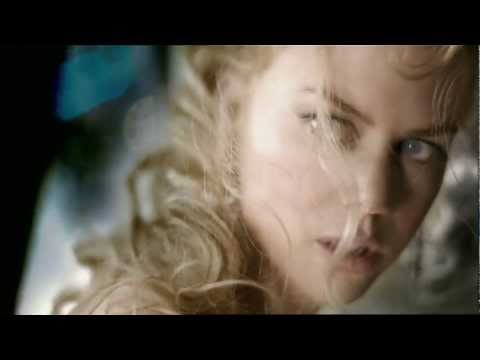 Watch YouTube video
Chanel No. 5 "The Film" Short Version (90s TV Spot):
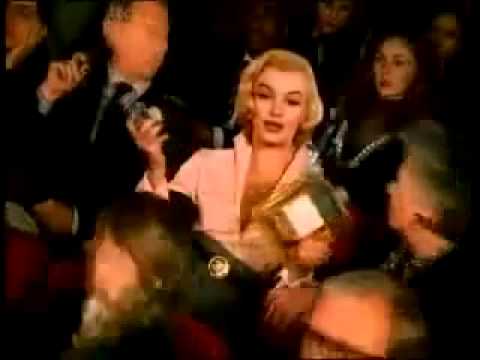 Watch YouTube video
Behind the Scenes – Nicole Kidman & Baz Luhrmann:
 Watch YouTube video
Chanel No. 5 Compilation Ads (Kidman Era):
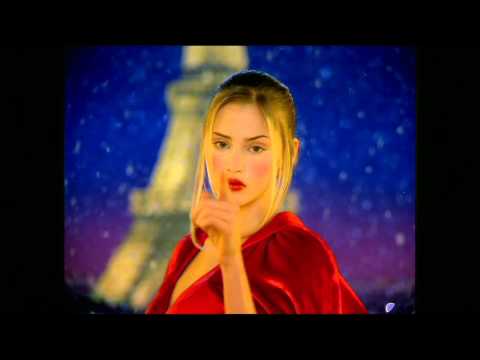 Watch YouTube video
Discover how Fiat ads have shaped cultural trends and influenced consumer behavior, blending creativity with marketing to leave a lasting impact.
Discover the iconic actors who shaped automotive advertising in the 2000s. Explore their memorable roles and the impact they had on car marketing.
Discover the iconic music that has shaped Heineken commercials over the years. Explore the tracks that elevate the brand's storytelling and appeal.
Discover the allure of Armani ads featuring iconic celebrities. Explore stunning visuals and captivating campaigns that define luxury and style.
Explore Motorola's innovative journey in mobile advertising, highlighting key strategies and milestones that shaped the industry landscape.
Discover how Netflix leverages nostalgia in its advertising campaigns to connect with audiences and evoke powerful emotions. Explore the impact today!
Discover the iconic Gucci commercials that revolutionized luxury marketing, showcasing creativity and elegance that set the brand apart in the fashion world.
Discover how Philips crafted its advertising legacy, shaping brand identity and consumer engagement through innovative strategies and memorable campaigns.