

Motorola’s story is not just a chronicle of technological firsts—it is a parallel history of mobile advertising itself. From introducing the very concept of a "mobile phone" to the public to navigating the smartphone revolution and staging comebacks with nostalgic icons, Motorola's marketing has been a decades-long effort to translate complex radio technology into tangible human desire. This exploration traces how a titan of telecommunications used advertising to build its legacy, fight for relevance, and attempt to reclaim its place in the cultural conversation.Part 1: The Pioneering Era – Selling the Concept of "Mobile" (1983-1990s)Before marketing devices, Motorola had to market the revolutionary idea of mobile telephony itself. This was its first and perhaps greatest advertising challenge.The DynaTAC "Brick Phone": Launching an Industry (1983): The Motorola DynaTAC 8000X wasn't just a product launch; it was the unveiling of a new paradigm. Priced at nearly $4,000, its advertising couldn't focus on specs or price.
The Campaign: Early ads targeted elite business executives and emphasized ultimate power, status, and freedom. Imagery featured Wall Street tycoons, real estate moguls, and luxury cars. The tagline was implicit but clear: This device makes you untouchable and omnipresent. A famous 1985 print ad showed a businessman on a deserted beach, briefcase in one hand, DynaTAC in the other, with copy about conducting deals from "the middle of nowhere."
The Cultural Anchor: The DynaTAC's iconic status was cemented not just by ads, but by its placement in popular culture, most notably in the 1987 film Wall Street, where Gordon Gekko wields it as a symbol of hyper-capitalist power. Motorola’s advertising and PR successfully framed the mobile phone not as a convenience, but as a transformative tool for the alpha elite.
The MicroTAC (1989): As the first truly "flip phone," its ads highlighted sleek design and portability. The narrative shifted from "power in the boardroom" to "style in your pocket." Marketing began targeting a broader professional class.
The StarTAC (1996): Hailed as the first clamshell and the first wearable phone, the StarTAC’s advertising was a masterpiece of minimalist aspiration. Ads focused on its astonishingly small size and "wearable" clip, using stark, clean visuals. The message was about futuristic minimalism and being ahead of the curve. It was less a business tool and more a coveted tech accessory, presaging the phone-as-fashion-object era.
The Campaign Aesthetic: Razr ads were dark, sleek, and dripping with metallic cool. They featured extreme close-ups of the phone's hinge, the glowing keyboard, and its razor-thin profile against black backgrounds. The visuals were set to atmospheric, often electronic music.
The Celebrity Endorsement Blitz: Motorola partnered with icons who embodied "cool": from David Beckham to Hollywood A-listers spotted with Razrs at premieres. This wasn't paid spokesperson work in the traditional sense; it was about cultural seeding. The Razr was placed in music videos (like 50 Cent's "Candy Shop") and on the hips of every celebrity in tabloids, making it the must-have accessory.
The Emotional Sell: The tagline "Hello Moto" became synonymous with cutting-edge style. The campaign sold a feeling: of being sophisticated, fashionable, and effortlessly modern. For a brief, brilliant moment, the Razr made competitors' phones look clunky and uncool, proving that in mobile, design could be the ultimate feature. It sold over 130 million units, driven by marketing that made it a status symbol.
The Campaign: Ads featured stark, robotic visuals and a digitized voice declaring "iDon't" have a physical keyboard, "iDon't" run multiple apps, etc., ending with "Droid Does." It was a direct, feature-by-feature assault on the early iPhone's perceived limitations.
Analysis: While effective at capturing the attention of tech enthusiasts and establishing Android as a viable competitor, the "Droid Does" campaign was ultimately defensive and reactionary. It let Apple set the terms of the conversation. Motorola was marketing specs (5MP camera, open OS) against Apple's marketing of a revolutionary experience. It won battles but lost the broader narrative war.
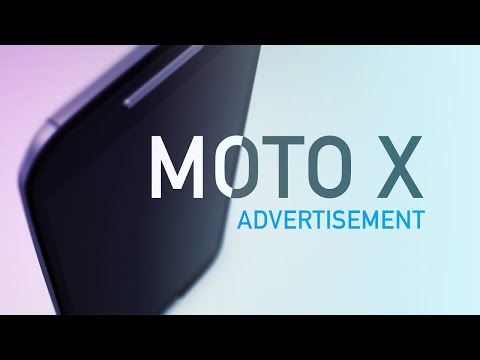
The Campaign: It focused on customizability (Moto Maker) and contextual awareness with the tagline "Designed by You." Ads showed the phone responding to voice commands hands-free and highlighted wood/leather back options.
Analysis: This was a smart, differentiation play—marketing the phone as a personal, almost bespoke object in a sea of sameness. However, it was overshadowed by the marketing might of Samsung's Galaxy S series and Apple's ecosystem. The message was empathetic but lacked the cultural firepower to regain significant market share.
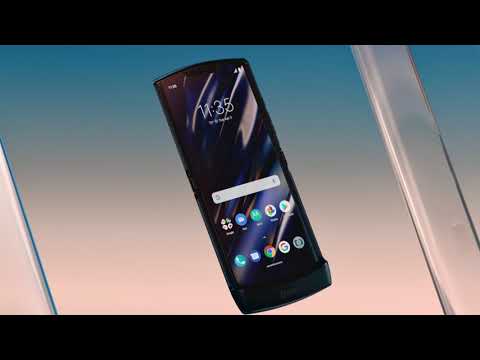
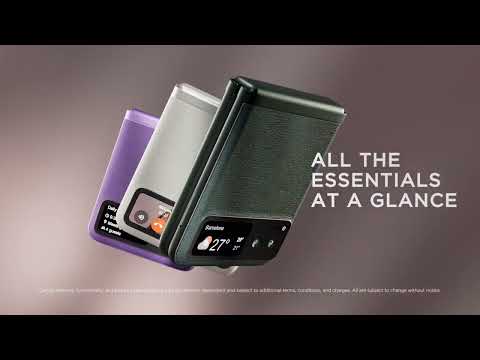
The Campaign Strategy: Marketing heavily references the original Razr's iconic design and cultural status. Launch materials juxtapose the old and new, use similar sleek, close-up cinematography of the hinge and fold, and directly appeal to the "feelings" of the early 2000s.
The Nostalgia Angle: The message is a blend of "Remember the magic?" and "See the future we promised is finally here." It targets both Gen X/Millennials who owned the original and a new generation curious about the "cool flip phone" of lore. The challenge is convincing the market that nostalgic design and the novel foldable form factor justify a premium price in a world dominated by versatile camera systems and powerful apps.
Motorola's Advertising Evolution: A Strategic Timeline
| DynaTAC (1983) | "Ultimate Power & Freedom" | Corporate Elites, Executives | Print (Forbes, WSJ), High-Profile PR | Innovative Industry Titan |
| StarTAC (1996) | "Wearable Minimalism" | Early Adopters, Tech-Savvy Professionals | Tech Magazines, TV Sponsorships | Cutting-Edge Pioneer |
| Razr V3 (2004) | "The Ultimate Style Accessory" | Fashion-Conscious Mass Market | MTV, Celebrity Placements, Music Videos | Cultural Trendsetter |
| Droid (2009) | "The Powerful, Customizable Anti-iPhone" | Tech Enthusiasts, Power Users | TV (Heavy on ESPN, Tech Channels), Online Video | Specs-Driven Challenger |
| Moto X (2013) | "A Personal, Context-Aware Companion" | Individualists Seeking Customization | Social Media, Digital-First Campaigns | Human-Centric Differentiator |
| Razr Foldable (2019+) | "Iconic Design, Reimagined for Tomorrow" | Nostalgic Professionals & Design-Conscious Users | Online Film, Influencer Collaborations, Design Press | Heritage-Innovator |
Expert Analysis: The Lessons from Motorola's Marketing Journey
1. The Power of Defining a Category: Motorola's greatest marketing success came when it was defining new paradigms—the first mobile phone, the flip phone, the ultra-thin fashion phone. Its advertising was clearest and most potent when it had a novel, tangible differentiator (size, form factor) to dramatize. When the market shifted to intangible software ecosystems, it lost its narrative foothold.
2. The Razr Paradox: Peak as Peril: The Razr's success created a "coolness" trap. It cemented a brand identity around industrial design in a market that was shifting value to software and services. Subsequent campaigns, like "Droid Does," while effective tactically, felt disconnected from the sleek, aspirational identity Razr built. The brand struggled to reconcile its engineering roots with its fashion-icon moment.
3. Nostalgia as a Double-Edged Sword: The new Razr campaign is strategically sound—it leverages unique brand equity in a commodity market. However, it risks pigeonholing Motorola as a "retro" brand, constantly looking backward rather than defining the next frontier. Sustainable revival requires that nostalgia be a bridge to genuine, forward-looking innovation, not just a design gimmick.
4. The Ecosystem Disadvantage: A fundamental challenge for Motorola's advertising post-2007 has been marketing a device in a world sold on ecosystems (Apple's iOS, Google's services). Samsung could market its Galaxy line within the powerful Android/Google universe. Motorola's campaigns, even for good phones, often felt like they were selling an island in an archipelago, lacking a compelling story about how its devices lived within a broader, sticky digital life.
Conclusion: In Search of a New Signal
Motorola's advertising journey mirrors the volatility of the mobile industry itself—a series of brilliant peaks and challenging valleys. It has been at its best when its marketing told a simple, visual story: the power in your hand, the phone on your hip, the razor in your pocket.
To witness this evolution, view these key campaign moments:
For the iconic Razr V3 aesthetic that defined an era:
(Search: "Motorola Razr Original Commercial") Watch YouTube video
For the aggressive "Anti-iPhone" Droid campaign:
(Search: "Motorola Droid iDon't Commercial")Watch YouTube videoFor the customizability pitch of the Moto X era:
(Search: "Moto X Designed by You Commercial")Watch YouTube videoFor the modern nostalgia play with the new Razr:
(Search: "Motorola Razr 2023 Official Film")Watch YouTube video

Today, as it markets the Razr's foldable future, Motorola is asking a profound question of the market: Does our shared memory of mobile's coolest moment hold enough value to shape its future? The answer will determine whether Motorola's advertising can once again do what it did at its zenith: not just sell a phone, but define the desire for what comes next. The journey from selling the first phone to selling a memory of its greatest hit is the story of a pioneer learning that in technology, the past is a powerful signal, but never sufficient alone to navigate the future.
Discover how Motorola's innovative advertising strategies are driving global expansion and reshaping the tech landscape. Explore the impact today.

Discover how Netflix leverages nostalgia in its advertising campaigns to connect with audiences and evoke powerful emotions. Explore the impact today!

Discover the iconic Gucci commercials that revolutionized luxury marketing, showcasing creativity and elegance that set the brand apart in the fashion world.

Discover how Philips crafted its advertising legacy, shaping brand identity and consumer engagement through innovative strategies and memorable campaigns.

Discover the iconic advertising campaigns of the 90s that defined a generation. Explore their impact on culture and marketing strategies today.

Discover the funniest beer ads that have tickled our funny bones! Explore iconic commercials that blend humor and creativity in the world of beer marketing.

Discover the impact of Volkswagen's "Think Small" campaign, a revolutionary marketing strategy that reshaped the automotive industry and consumer perceptions.

Explore Levi's innovative campaigns in youth fashion advertising, showcasing how the brand connects with young audiences through creativity and style.

Discover the most iconic Christmas campaigns in Latin America, showcasing creativity and cultural richness that capture the festive spirit across the region.