
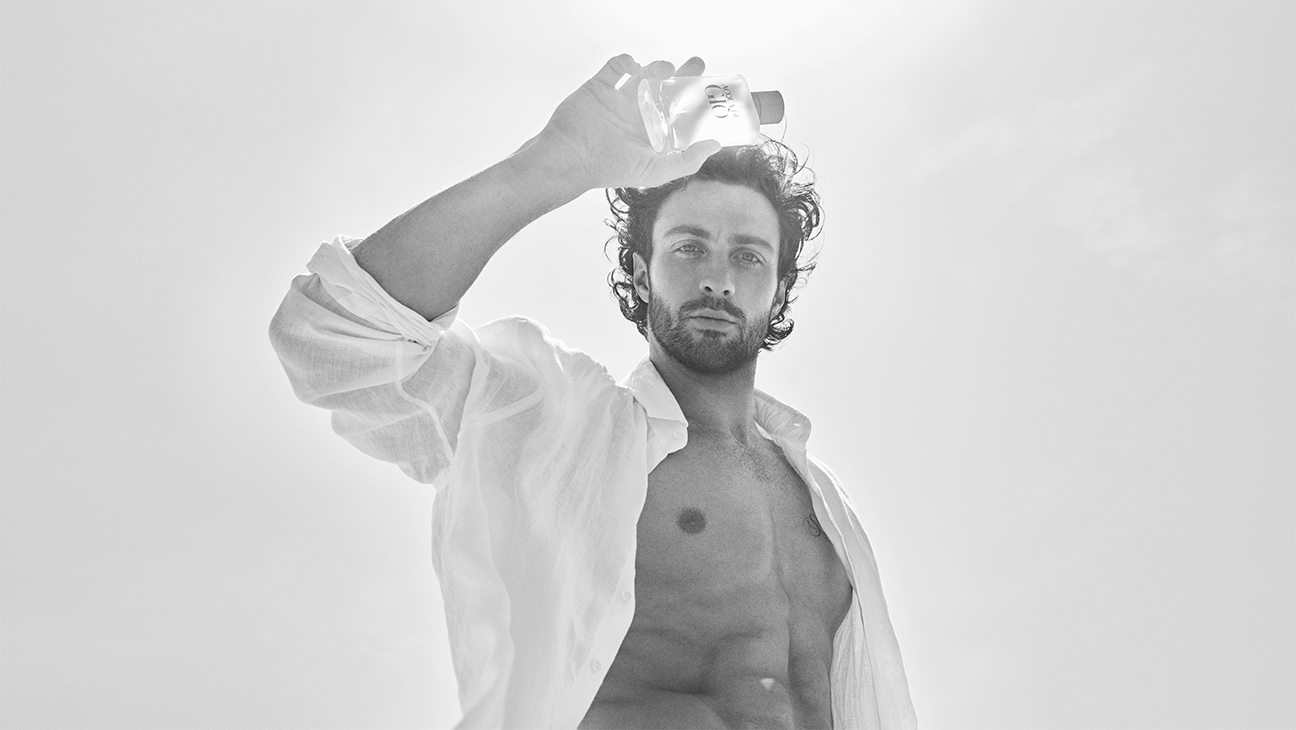
In the world of luxury fashion, where brands shout for attention with ever-more provocative imagery, Giorgio Armani has cultivated a distinct, powerful whisper. Since the 1980s, Armani’s celebrity advertising has been a masterclass in aligning a brand with the very essence of sophistication, eschewing fleeting trends for enduring stature. His campaigns are less about product placement and more about philosophical alignment—curating a universe where the world's most admired figures embody the Armani ethos of understated power, intelligent sensuality, and effortless elegance. This is the story of how a Milanese tailor built a global empire by dressing, and being endorsed by, the icons of our time.Part 1: The Foundation - Redefining Masculinity with Cinema (1980s)Armani’s rise to global fame was inextricably linked to Hollywood, and his early forays into celebrity association set the template for everything that followed.The American Gigolo Revolution (1980): This was not a planned campaign, but a cultural lightning strike that became the foundation of Armani’s advertising philosophy. When Richard Gere’s character, Julian Kaye, glided through his wardrobe of soft, deconstructed Armani suits, it did more than sell clothes—it sold a new ideal of masculinity.
The Impact: The film replaced the stiff, padded shouldered power suit with something more sensual, fluid, and personal. Overnight, Armani became synonymous with a new kind of cool: relaxed, confident, and subtly powerful. This organic integration of brand into narrative was more powerful than any advertisement, proving that the right celebrity in the right role could redefine a brand’s image.
The Campaign Aesthetic: Shot in stark black and white, De Niro was presented not as a movie star, but as a profound, introspective man. The ads communicated depth, authenticity, and serious artistry. The message was clear: Armani is for men of substance, not just style. This partnership cemented the brand's intellectual and artistic credibility.
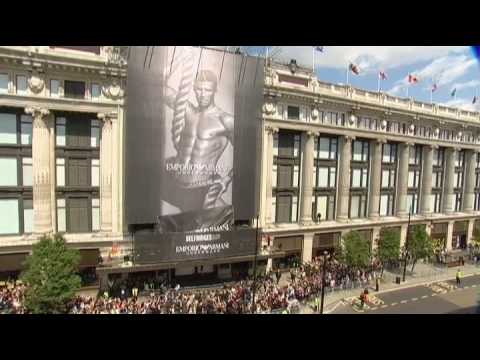
Athletic Grace & Power: David Beckham and Cristiano Ronaldo. Beckham’s partnership with Emporio Armani, particularly the iconic 2009 underwear campaign shot by Mert Alas and Marcus Piggott, was a global phenomenon. It blended athletic physique with fashion sensibility, positioning Armani as the brand for the modern, metrosexual sports icon. Similarly, Ronaldo embodied disciplined power and global fame.
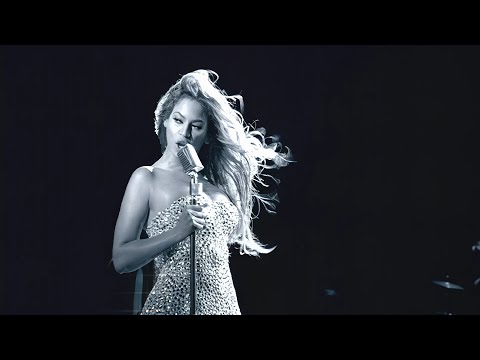
Musical Genius & Allure: Lady Gaga and Beyoncé. For the more avant-garde Armani Privé couture line, Lady Gaga was a perfect muse—a boundary-pushing artist whose relationship with fashion was performative and conceptual. Beyoncé, in campaigns for Emporio Armani, brought a different energy: one of commanding stage presence, feminine power, and flawless beauty, aligning with the brand's glamorous side.
Cinematic Legends: Cate Blanchett and the Ocean’s Ensemble. Cate Blanchett became a longtime face of the brand, her sharp intelligence and chameleonic talent embodying the sophisticated, versatile Armani woman. The strategic dressing of the entire cast of Ocean’s Eleven (2001) for premieres and in the film itself was a marketing coup, presenting Armani as the uniform for the stylish, clever, and effortlessly cool elite.
The Case of Timothée Chalamet and Lily-Rose Depp: These young stars represent a new archetype: the artistic, slightly androgynous, and digitally native icon. Chalamet’s association with the brand, particularly at red carpet events, signals Armani’s relevance to a new generation. He carries the same intellectual and artistic weight as a De Niro, but through a 21st-century lens.
Sports Superstars for Global Appeal: The continued partnership with figures like soccer star Megan Rapinoe (for Emporio Armani) blends athletic prestige with cultural relevance, aligning the brand with values of strength and activism.
The Armani Celebrity Galaxy: A Strategic Taxonomy
| The Cinetic Icon | Richard Gere (organic), Robert De Niro, Cate Blanchett | Giorgio Armani, Armani Privé | Artistry, Depth, Authenticity, Timelessness | The cultured consumer, the cinephile, the patron of the arts. |
| The Athletic Deity | David Beckham, Cristiano Ronaldo, Megan Rapinoe | Emporio Armani, Underwear, EA7 | Disciplined Power, Global Fame, Sensual Physique, Modernity | The active luxury consumer, the sports enthusiast, the aspirational global citizen. |
| The Music Supernova | Beyoncé, Lady Gaga | Emporio Armani, Armani Privé | Glamour, Stage Presence, Avant-Garde Creativity, Feminine Power | The trend-aware consumer, the performance lover, those seeking bold glamour. |
| The Next-Gen Artisan | Timothée Chalamet, Lily-Rose Depp | Giorgio Armani, Beauty | Androgynous Cool, Artistic Sensitivity, Digital-Native Relevance | Millennial & Gen Z luxury seekers, the fashion-forward, the culturally literate. |
| The Red Carpet Sovereign | Countless Oscars/Winners (J. Law, H. Swank, R. Malek) | Armani Privé, Giorgio Armani | Peak Glamour, Unmatched Prestige, Awards-Season Dominance | The aspirational elite, red carpet watchers, those who covet pinnacle luxury. |
Expert Analysis: The Armani Celebrity Doctrine
Giorgio Armani’s approach to celebrity advertising is governed by a distinct, unwavering philosophy that explains its decades of success.
1. Alignment Over Popularity: Armani doesn’t chase the hottest star of the moment. He (and now the brand's team) selects individuals whose public persona and personal style already reflect Armani’s core values: restraint, intelligence, and inherent grace. The celebrity doesn’t change the brand; they confirm it. This prevents the dissonance that occurs when a transient pop star endorses a timeless house.
2. The "Grown-Up Glamour" Positioning: In a market where many brands target youth with rebellious or street-inspired imagery, Armani’s celebrity universe represents "arrived" success. His ambassadors are typically at the peak of their fields, exuding a confidence that comes with mastery, not the angst of striving. This attracts an affluent, mature customer and appeals to younger consumers aspiring to that level of accomplished elegance.
3. Mastering the Ecosystem: Armani strategically deploys celebrities across its brand portfolio. A global sports icon like Ronaldo fronts the accessible, energetic Emporio Armani line. An actress of Blanchett’s caliber represents the haute couture of Armani Privé. This creates a ladder of aspiration within the brand itself, with celebrity ambassadors guiding consumers through different tiers of the Armani world.
4. The Power of Authentic Relationship: Many of Armani’s celebrity relationships are long-term (Blanchett, De Niro). This longevity suggests a genuine affinity, not a transactional contract. It makes the endorsement more believable and reinforces the brand’s values of loyalty and substance over fleeting trends. The celebrities often become friends and muses, adding a layer of depth to the partnership.
5. Visual Consistency: The Lindbergh Legacy: For decades, the visual language of Armani campaigns, often helmed by photographers like Peter Lindbergh, has been consistent: monochrome tones, natural light, minimal retouching, and a focus on the character in the clothes, not the clothes alone. This consistent aesthetic means that regardless of the celebrity, an Armani ad is instantly recognizable, building a powerful and cohesive brand world.
Conclusion: The Empire of Elegance
Giorgio Armani’s celebrity campaigns have constructed an empire not of logos, but of aura. He proved that the most powerful marketing isn't about shouting a brand name, but about quietly assembling a court of the world’s most respected figures and letting their reflected glory define your house.
To witness the evolution of this strategy, explore these landmark campaigns via raw YouTube addresses:
For the iconic, era-defining underwear campaign:
(David Beckham & Megan Fox for Emporio Armani Underwear) Watch YouTube video
For the profound, artistic portrait that defined intellectual luxury: Search for "Robert De Niro Armani Commercial Peter Lindbergh"
For the fusion of musical supernova power with high glamour:
(Beyoncé for Emporio Armani Diamonds Fragrance)Watch YouTube videoFor a modern example of next-generation sophistication: Search for "Timothée Chalamet Armani Beauty Commercial"
For the cinematic glamour of the fragrance line:
(Cate Blanchett for Armani Si Fragrance)Watch YouTube video

In the end, Armani’s greatest achievement in advertising has been to make his clothes seem like the natural, inevitable choice for those who have reached the summit. His campaigns whisper a compelling promise: that Armani is not a costume, but the authentic skin of success. By meticulously curating his celebrity galaxy, Giorgio Armani didn't just sell suits and perfumes—he sold a passport to a world of timeless elegance, and populated that world with faces we already dreamed of becoming.

Explore Motorola's innovative journey in mobile advertising, highlighting key strategies and milestones that shaped the industry landscape.

Discover how Netflix leverages nostalgia in its advertising campaigns to connect with audiences and evoke powerful emotions. Explore the impact today!

Discover the iconic Gucci commercials that revolutionized luxury marketing, showcasing creativity and elegance that set the brand apart in the fashion world.

Discover how Philips crafted its advertising legacy, shaping brand identity and consumer engagement through innovative strategies and memorable campaigns.

Discover the iconic advertising campaigns of the 90s that defined a generation. Explore their impact on culture and marketing strategies today.

Discover the funniest beer ads that have tickled our funny bones! Explore iconic commercials that blend humor and creativity in the world of beer marketing.

Discover the impact of Volkswagen's "Think Small" campaign, a revolutionary marketing strategy that reshaped the automotive industry and consumer perceptions.

Explore Levi's innovative campaigns in youth fashion advertising, showcasing how the brand connects with young audiences through creativity and style.