

In the relentless streaming wars, where new content floods our screens daily, Netflix has mastered a secret weapon that cuts through the noise: nostalgia. More than just a marketing tactic, Netflix's use of nostalgia represents a sophisticated psychological strategy to build brand affinity, drive subscriber engagement, and transform licensed classics into global cultural events. This deep dive explores how Netflix doesn't just stream our favorite old shows and movies—it resurrects, recontextualizes, and re-commodifies our collective past, creating a powerful emotional bridge to its present-day platform.Part 1: The Psychology of Nostalgia – Why It Works for NetflixBefore examining specific campaigns, it's crucial to understand why nostalgia is such potent currency for a streaming service.Nostalgia as Emotional Security: In times of uncertainty or rapid change (like the digital media revolution), nostalgia provides comfort. It offers a return to a perceived simpler time. Netflix leverages this by positioning itself not just as a content library, but as a digital comfort zone. When you log in and see Friends or The Office, it's not just a show—it's an emotional anchor.The Shared Cultural Lexicon: Hits from the 80s, 90s, and 2000s come with built-in audience recognition. Marketing a new, unknown series is expensive and risky. Marketing the return of a beloved character or world leverages pre-existing love, reducing the customer acquisition cost. Netflix uses nostalgia to create instant familiarity in a crowded market.Multi-Generational Hook: Nostalgia campaigns work on two levels. They directly target those who experienced the property the first time ("Remember this?"), while simultaneously introducing it to a new, younger generation through a cool, curated lens ("Discover why this was iconic"). This double-demographic appeal maximizes a campaign's reach and impact.Part 2: The Licensed Legacy – Campaigns Around Acquired ClassicsNetflix's early nostalgia play was built on securing streaming rights to iconic syndicated sitcoms and films, then marketing them as core reasons to subscribe."The One Where They're All on Netflix" – Friends (2015 Launch): When Netflix secured Friends for streaming in 2015 (a deal worth a reported $100 million), it didn't just add it to the library. It launched a full-scale nostalgia assault.
The Campaign: Netflix released character-specific trailers (The "Ross" trailer, the "Phoebe" trailer), created "Which Friends Character Are You?" quizzes, and flooded social media with iconic GIFs and quotes ("Pivot!"). The messaging was pure celebration: Your friends are here.
The Nostalgia Angle: It reminded viewers of their personal history with the show—where they watched it, who they watched it with. The campaign wasn't selling a sitcom; it was selling reunion with old friends and with one's younger self. The cultural impact was so massive it significantly influenced WarnerMedia's decision to launch its own streaming service, HBO Max, with Friends as a flagship exclusive.
The Campaign: Netflix's marketing leaned into the show's status as "comfort food." They promoted "Background Binge" playlists and curated clips like "Best of Jim's Pranks" or "Michael Scott's Cringiest Moments." They created memes that lived natively on platforms like Instagram and Twitter, where the show's awkward humor thrived.
The Nostalgia Angle: This campaign tapped into ritualistic nostalgia. For millions, The Office was the show they put on while cooking, working, or falling asleep. Netflix marketed it as the reliable, always-there backdrop to daily life. The anxiety around its removal proved how successfully Netflix had tied its own brand identity to these nostalgic comforts.
Taxonomy of Netflix Nostalgia Campaigns: A Strategic Breakdown
| Comfort Nostalgia | Adults 25-44 seeking escape/stress relief | The Office, Friends, Gilmore Girls | Security, warmth, familiarity, relaxation. "Your happy place is here." | Social media (GIFs, quotes), email blasts, "Netflix and Chill" cultural integration. |
| Reboot/Revival Nostalgia | Original fans + new, curious viewers | Fuller House, Cobra Kai, Avatar: TLA (Live-Action) | Completion & curiosity. "What happened to the characters you love?" + "See what started it all." | Super Bowl spots, trailer drops that mirror original style, cast reunion interviews. |
| Aesthetic/Core Nostalgia | Gen Z & Millennials romanticizing past eras | Stranger Things, The Queen's Gambit, Wednesday | Romanticized era fantasy. "Experience the vibe of the 80s/60s/etc." | TikTok trends, period-specific music on Spotify, vintage filter photo ops. |
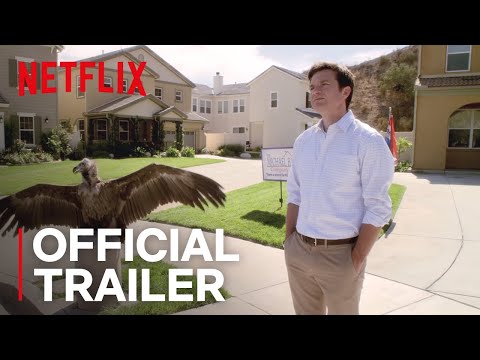
| Cult Classic Nostalgia | Niche fanbases with intense devotion | Arrested Development (S4), Black Mirror (Bandersnatch) | Exclusive access & reward. "The show you loved is back, and ONLY we have it." | Comic-Con panels, targeted digital ads on fan sites, interactive elements. |
Part 3: The Original Recipe – Baking Nostalgia Into New Hits
Netflix's true genius is how it engineers new content to feel nostalgically familiar. This is not about reboots, but about original shows that are meticulously crafted nostalgia machines.
Stranger Things: The Duffer Brothers' Masterclass: This is Netflix's flagship nostalgia product. Every frame of Stranger Things is a love letter to the 1980s.
The Campaign Strategy: Marketing extends far beyond trailers. It includes:
Synthetic Nostalgia: Creating "period-accurate" toys (Eggo boxes, New Coke), retro video games, and cassette tape soundtrack releases.
Experience Marketing: Pop-up "Starcourt Malls," partnerships with brands like Levi's and Burger King for 80s-themed merch and meals.
Music as a Time Machine: Using iconic songs from Kate Bush, Metallica, and The Cramps in key scenes and trailers, which then dominate streaming charts, creating a cross-generational feedback loop.
The Nostalgia Angle: For Gen X and older Millennials, it's direct nostalgia. For Gen Z, it's "inherited" or "simulated" nostalgia—they fall in love with a curated, idealized version of an era they never lived through. Netflix sells the feeling of the 80s, not just a story set in it.
The Queen's Gambit & Wednesday: Niche Period Nostalgia: These shows target a more specific, aesthetic nostalgia.
The Queen's Gambit tapped into the sleek, mid-century modern design and Cold War intrigue of the 1960s, attracting viewers with its style and tone as much as its plot.
Wednesday resurrected the specific, gothic-kitsch nostalgia of the 1991 Addams Family film and its cultural footprint, then remixed it with a modern YA sensibility and a viral dance trend (The "Wednesday" dance on TikTok).
The Nostalgia Angle: These campaigns sell a vibe. The marketing highlights the aesthetic—the costumes, the set design, the music—promising immersion in a stylish, bygone world. It’s nostalgia as a lifestyle filter.
Part 4: The Revival Engine – Strategic Reboots and Returns
Netflix actively mines IP with built-in fanbases, reviving them with a mix of reverence and update.
Cobra Kai: The Legacy Sequel Blueprint: Acquired from YouTube Premium, Cobra Kai is a perfect case study.
The Campaign: Trailers heavily featured the original Karate Kid stars, Ralph Macchio and William Zabka, juxtaposed with the new teen cast. It used 80s rock anthems and directly recreated iconic scenes (the crane kick, the "sweep the leg" moment).
The Nostalgia Angle: It answered the burning question "What happened next?" while validating the original fans' enduring connection. The marketing message was: "Your childhood heroes are back, and their story matters to a new generation." It used nostalgia as the gateway, but the show's quality ensured retention.
Avatar: The Last Airbender (Live-Action): Tapping Animated Legacy: This campaign walks a tightrope between honoring a beloved animated classic and justifying its new, live-action existence.
The Campaign Strategy: Heavy focus on faithful recreation of iconic moments (Aang emerging from the iceberg, Appa's design), involvement of the original creative team in early marketing, and targeting the now-adult fanbase that grew up with the Nickelodeon cartoon.
The Nostalgia Angle: This is fandom-service nostalgia. The campaign must prove reverence and understanding to a protective fanbase. The hook is the promise of seeing a cherished 2D world realized in immersive, live-action 3D—a dream for many original viewers.
Expert Analysis: The Netflix Nostalgia Algorithm
Netflix's use of nostalgia is not accidental; it's a data-driven, psychological strategy.
1. Nostalgia as a Risk Mitigation Tool: In an industry where over 80% of new shows fail, nostalgia de-risks investment. A reboot or period piece has measurable pre-awareness. Netflix's famed algorithms can identify not just what we watch, but the emotional patterns in our viewing—when we rewatch, what we rewatch, and likely, what we abandon. This data pinpoints which nostalgic properties have the deepest, most active emotional hooks.
2. Creating "Accelerated Nostalgia": Netflix, with shows like Stranger Things, has pioneered a new form: nostalgia for a time as depicted by media, not necessarily as it was lived. It sells a polished, reference-heavy version of the past that feels instantly familiar because it's built from other movies, shows, and songs we already love. It's nostalgia in a feedback loop.
3. The Community-Binding Effect: Nostalgic campaigns are inherently shareable. Posting a "Ross and Rachel" meme or doing the "Wednesday" dance creates instant in-group recognition. Netflix fuels this by providing the assets—the clips, the GIFs, the sounds—making itself the central hub for these shared nostalgic experiences. This transforms passive viewing into active community participation.
4. The Peril of Nostalgia Dependence: The strategy carries risks. Over-reliance on reboots can stifle originality and lead to brand stagnation ("The Netflix Reboot Factory"). Furthermore, mishandling a beloved property (e.g., perceived failures in live-action adaptations like Death Note or Cowboy Bebop) can generate intense backlash, damaging trust with core subscribers. The challenge is balancing nostalgic comfort with innovative surprise.
Conclusion: The Future is a Memory
Netflix has proven that in the digital age, the future of entertainment marketing is deeply entwined with our past. It has built a business model where our memories are a key asset. By mastering nostalgia, Netflix does more than recommend what to watch next—it recommends who we used to be, and offers a comforting bridge between that past self and our present.
To see this strategy in action, explore these raw YouTube addresses:
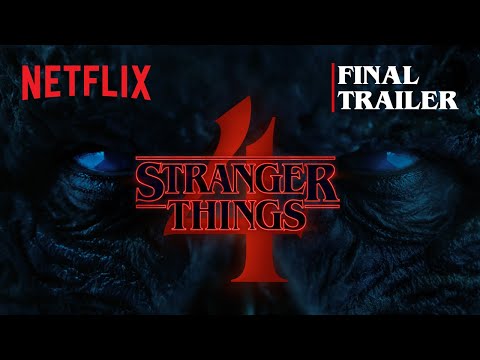
For the pinnacle of synthetic 80s nostalgia engineering:
(Stranger Things 4 Official Trailer) Watch YouTube video
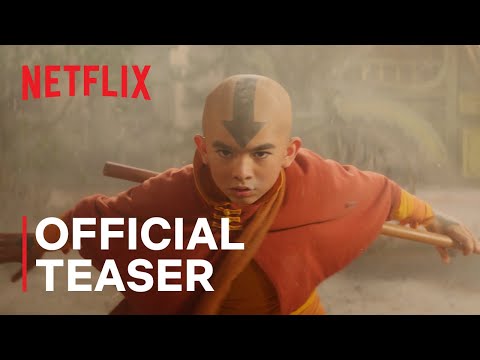
For a campaign reviving 90s cartoon nostalgia for a new format:
(Avatar: The Last Airbender - Official Teaser)Watch YouTube videoFor a revival that expertly mixes old cast with new story:
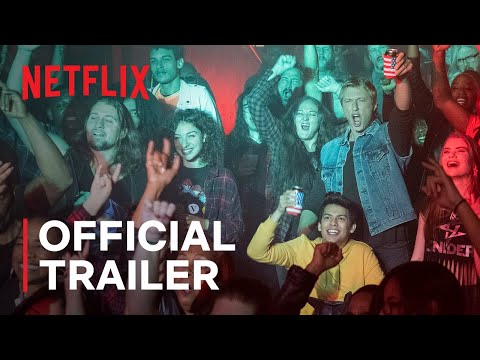
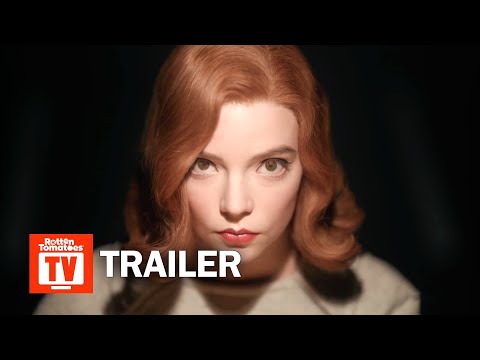
(Cobra Kai - Official Series Trailer)Watch YouTube videoFor period aesthetic nostalgia (1960s):
(The Queen's Gambit Trailer)Watch YouTube videoFor cult classic revival energy:
(Arrested Development Season 4 Trailer)Watch YouTube video
Ultimately, Netflix's most powerful campaign is the one it runs on our own psyches. It tells us that within its endless digital catalog, we can always find a piece of ourselves we thought was lost—the after-school viewer, the Saturday morning cartoon fan, the teen dreaming of adventure. In the streaming wars, Netflix's most potent weapon isn't just its content budget; it's its ability to sell us back our own yesterday, one perfectly curated, nostalgically charged campaign at a time. The play button, it turns out, is also a rewind button.
Discover the catchy song featured in Netflix's Summer Slate commercial. Uncover the artist and lyrics that are making waves this season!
Discover the captivating song featured in the Netflix 2026 movie trailer. Uncover the artist and track details that set the perfect tone for the film.
Discover the full cast of the highly anticipated Netflix 2026 global promo commercial. Get insights into the stars bringing this exciting project to life.

Discover the iconic Gucci commercials that revolutionized luxury marketing, showcasing creativity and elegance that set the brand apart in the fashion world.

Discover how Philips crafted its advertising legacy, shaping brand identity and consumer engagement through innovative strategies and memorable campaigns.

Discover the iconic advertising campaigns of the 90s that defined a generation. Explore their impact on culture and marketing strategies today.

Discover the funniest beer ads that have tickled our funny bones! Explore iconic commercials that blend humor and creativity in the world of beer marketing.

Discover the impact of Volkswagen's "Think Small" campaign, a revolutionary marketing strategy that reshaped the automotive industry and consumer perceptions.

Explore Levi's innovative campaigns in youth fashion advertising, showcasing how the brand connects with young audiences through creativity and style.

Discover the most iconic Christmas campaigns in Latin America, showcasing creativity and cultural richness that capture the festive spirit across the region.

Discover the actors who have represented top sports brands, blending talent and athleticism in unforgettable campaigns. Explore their impact on sports marketing.