
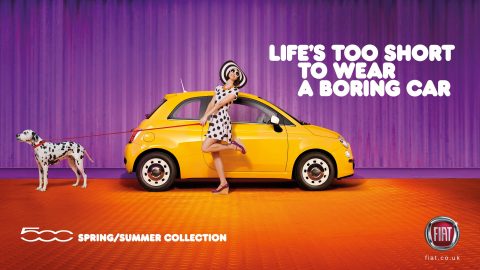
Fiat is not just a car manufacturer. It is a piece of Italy that rolls through the streets of the world. Since its founding in Turin in 1899, the brand has understood that a car can be more than a means of transport: it can be a statement of style, a life companion, and a cultural symbol.
This philosophy has permeated its advertising for decades. While other manufacturers engaged in battles over horsepower and technical specifications, Fiat told stories. Stories of families, cities, passion, and humor. And in doing so, it achieved something few brands manage: it became a mirror of the culture around it, and sometimes, an agent of change.
This article explores why Fiat's advertising has been so influential, analyzes its most iconic campaigns across different markets, and reveals how the brand has used humor, Italian identity, and cultural adaptability to create a lasting legacy.
Fiat's Advertising Philosophy
H2: Italian Identity as a Core Value
Fiat's ads have never hidden their origin. On the contrary, they celebrate it. From the soundtrack to the actors' gestures, the campaigns are imbued with "Italianness." This authenticity has been key to projecting the brand's values: design, lifestyle ("la dolce vita"), and an effortless elegance that resonates worldwide.
H2: Humor and Everyday Connection
Fiat has used humor as a secret weapon to connect with audiences of all ages. Instead of showing cars on racetracks, it showed them in everyday scenarios: a driver looking for parking, a family on a trip, a romantic date in the city. This everydayness, treated with a smile, made Fiats feel close and accessible.
Fiat Ads Across Different Markets
Italy: Family and Tradition
In its home market, Fiat has consistently reinforced its role as part of the Italian family. Campaigns for the Fiat 500L, like "Big Italian Family," used cultural stereotypes with affection and humor, showing the car as the perfect vehicle for crazy and loving family gatherings.
🎥 Watch the "Big Italian Family" ad here:

Germany: Efficiency and Reliability
In the demanding German market, Fiat adjusted its message to emphasize practicality and efficiency. Campaigns focused on reliability and affordability, positioning the Fiat Panda as a smart choice for practical drivers, without losing a touch of Italian style.
Brazil: Community and Vibrancy
Fiat became a powerhouse in Brazil thanks to its ability to reflect the country's community and energy. Ads often incorporated music, dance, and colorful storytelling, resonating deeply with local culture. The launch of the Fiat 500 in Brazil was a cultural event in itself.
Global: Eco-Friendly Messaging
Fiat was a pioneer in "green" advertising, promoting compact, fuel-efficient cars. Campaigns for the Fiat Panda and Fiat 500 highlighted sustainability, appealing to environmentally conscious consumers long before it was a mainstream trend.
Iconic Campaigns and Models
Fiat 500 (2007 Relaunch)
Cultural Theme: Retro nostalgia + modern chic.
Impact: The new Fiat 500 wasn't just a car; it was a fashion accessory. Its advertising linked it to design culture, making it a symbol of urban style in cities around the world.
Fiat Panda
Cultural Theme: Sustainability and practicality.
Impact: The Panda's ads, often humorous, positioned it as the smart city car: small, efficient, and with a big personality.
🎥 Watch a classic Fiat Panda ad (1987) here:

🎥 Watch the funny Fiat Panda Ping Pong commercial here:

Fiat 500L – "The Italians Are Coming" (2013)
Cultural Theme: Italian invasion with humor.
Impact: This campaign played with the stereotype of Italian charm "invading" other cultures, presenting the 500L as an ambassador of la dolce vita.
🎥 Watch the "The Italians Are Coming" ad here:

Fiat at the Super Bowl
Example: Fiat 500 Abarth "Seduction" (2012)
Cultural Theme: Humor and Italian-style seduction.
Impact: Proved that Fiat could compete on America's biggest advertising stage with a fun, personality-packed message.
Fiat Stilo with Barrichello and Schumacher
Cultural Theme: Speed and competition.
Impact: An ad that brought together two Formula 1 giants, Rubens Barrichello and Michael Schumacher, showcasing Fiat's sportier, more technological side.
🎥 Watch the Fiat Stilo commercial here:

Fiat in Brazil
Examples: Fiat 500 Launch in Brazil (2012) and Fiat Uno (1984).
Cultural Theme: Energy, music, and community.
Impact: These campaigns helped cement Fiat's dominance in the Brazilian market, making its cars part of the country's cultural landscape.
🎥 Watch a Fiat Uno Brazil commercial (1984) here:

🎥 Watch the Fiat 500 launch in Brazil (2012) here:
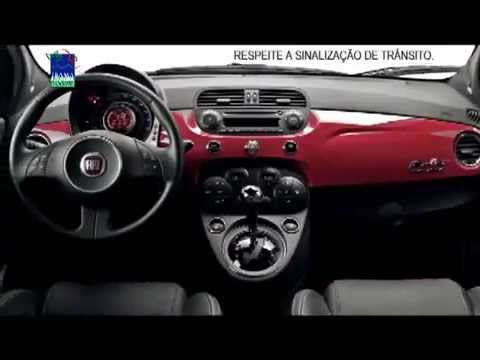
📊 Table: Fiat Ads and Cultural Themes
| Fiat 500 (2007 relaunch) | Retro nostalgia + modern chic | Became a fashion icon, symbolizing urban cool |
| Fiat Panda | Eco-friendly, practical | Promoted sustainability and affordability |
| Fiat Brazil Ads | Community, vibrancy | Strengthened Fiat's dominance in Latin America |
| Fiat Germany Ads | Efficiency, reliability | Built trust in a competitive market |
| Fiat Italy Ads | Family, tradition | Reinforced national pride and cultural identity |
Expert Analysis: Why Fiat Ads Influenced Culture
Emotional Storytelling: Fiat understood that no one falls in love with a crankshaft. People fall in love with feelings. Its ads focused on joy, humor, and family, turning cars into emotional companions rather than mere machines.
Lifestyle Branding: Fiat positioned itself as a lifestyle brand. The Fiat 500, in particular, transcended the car category to become a fashion accessory, comparable to a designer handbag or an elegant watch. This made it enormously appealing to younger urban audiences.
Cultural Adaptability: Fiat's ability to tailor its ads to local contexts was crucial to its global success. It knew how to be vibrant and community-focused in Brazil, practical and efficient in Germany, and true to its family roots in Italy, all without losing its Italian essence.
Pioneer in Sustainability: By emphasizing compact, fuel-efficient cars early on, Fiat aligned itself with growing environmental awareness, positioning itself as a responsible and forward-thinking brand.
Broader Cultural Impact
Shift in automotive advertising: Fiat helped move car ads from mere technical demonstrations to lifestyle storytelling.
Cultural symbolism: Cars like the Fiat 500 became symbols of identity, fashion, and urban cool.
Global-local balance: Fiat maintained a consistent brand identity while customizing ads for different regions—a masterclass in international marketing.
Long-term recall: Many Fiat ads are still remembered today, proving their deep cultural resonance.
Conclusion / The History of Fiat Advertising
Fiat's advertising campaigns influenced culture by turning cars into lifestyle symbols. They celebrated Italian creativity while adapting to diverse cultural contexts, making Fiat a global brand with deep local resonance.
From pioneering eco-friendly messaging to humorous storytelling, Fiat's campaigns shaped consumer attitudes and embedded the brand into cultural narratives worldwide. Fiat proved that sometimes, the best way to sell a car is not to talk about what's under the hood, but about the smiles it can bring to the faces of those who drive it.
🎥 Iconic Fiat Ads on YouTube (Raw Links)
Fiat 500 Abarth "Seduction" Super Bowl Ad (2012):
 Watch YouTube video
Fiat 500 TV Ad Compilation:
Watch YouTube videoFunny Fiat 500S Ad – Tested for Bad Boys:
Watch YouTube videoFiat 500L "The Italians Are Coming" Commercial:
Watch YouTube videoFiat Panda Funny Ad (1987):
Watch YouTube videoFiat Panda Ping Pong Commercial:
Watch YouTube videoFiat Uno Brazil Commercial (1984):
Watch YouTube videoFiat 500 Launch in Brazil (2012):
Watch YouTube videoFiat Stilo Commercial with Barrichello & Schumacher:
Watch YouTube videoFunny Fiat 500 Big Italian Family Commercial:
Watch YouTube videoFiat 500L Backseat Italians Commercial (2013):
Watch YouTube video


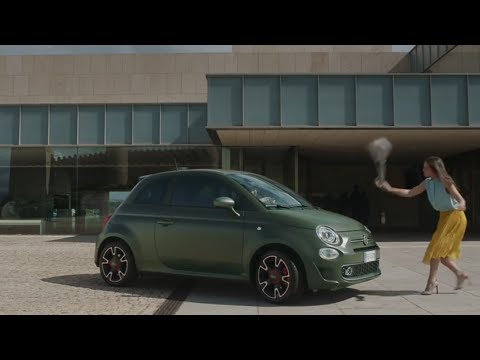


Discover the iconic actors who shaped automotive advertising in the 2000s. Explore their memorable roles and the impact they had on car marketing.
Discover the iconic music that has shaped Heineken commercials over the years. Explore the tracks that elevate the brand's storytelling and appeal.

Discover the allure of Armani ads featuring iconic celebrities. Explore stunning visuals and captivating campaigns that define luxury and style.

Explore Motorola's innovative journey in mobile advertising, highlighting key strategies and milestones that shaped the industry landscape.

Discover how Netflix leverages nostalgia in its advertising campaigns to connect with audiences and evoke powerful emotions. Explore the impact today!

Discover the iconic Gucci commercials that revolutionized luxury marketing, showcasing creativity and elegance that set the brand apart in the fashion world.

Discover how Philips crafted its advertising legacy, shaping brand identity and consumer engagement through innovative strategies and memorable campaigns.

Discover the iconic advertising campaigns of the 90s that defined a generation. Explore their impact on culture and marketing strategies today.