

From its roots as a Florentine luggage atelier to its current status as a $15 billion cultural juggernaut, Gucci's advertising journey mirrors the evolution of luxury marketing itself. The brand's commercials have consistently pushed boundaries, blending art, fashion, and social commentary to create more than just product advertisements—they have crafted cultural moments that define eras and influence how luxury communicates with the world. This comprehensive exploration traces how Gucci transformed from a maker of fine leather goods into a visionary marketer whose campaigns often overshadowed the products they were meant to sell.Part 1: The Foundational Era - Understated Elegance (1950s-1980s)Before the digital age and the reign of creative directors as rockstars, Gucci's early advertising established the codes of traditional luxury marketing.The Heritage Focus: In the decades following World War II, as Gucci expanded internationally with stores on Fifth Avenue and via Pan Am flights, its advertising emphasized craftsmanship, heritage, and discreet elegance. Print advertisements in Vogue and Harper's Bazaar featured aristocratic models in refined settings, with the products—the horsebit loafer, the bamboo-handle bag—displayed as objects of desire for the jet set. The messaging was clear: Gucci represented established, old-world luxury.The Transition to Lifestyle: By the 1970s and 1980s, as competition with Louis Vuitton and Hermès intensified, Gucci began crafting a more aspirational lifestyle image. Television commercials of this era were cinematic vignettes—shots of glamorous women stepping from luxury cars, champagne flutes clinking on yachts, all accompanied by the distinctive red-and-green Web stripe. The message evolved from simply selling products to selling membership in an exclusive world.Part 2: The Tom Ford Revolution - Sex, Glamour, and Provocation (1994-2004)When Tom Ford arrived at a nearly bankrupt Gucci in 1994, he didn't just reinvent the product; he fundamentally rewrote the rules of luxury advertising.The Shock Factor: Ford understood that in an increasingly crowded marketplace, luxury needed more than beauty—it needed to provoke. His campaigns, often shot by photographers like Mario Testino, were unapologetically sensual and decadent. The most infamous—the 2003 campaign featuring a model with a "G" shaved into her pubic hair—crossed from fashion into front-page news, generating controversy and conversation that money couldn't buy.Cinematic Storytelling: Under Ford, Gucci commercials became mini-movies with narratives of power, seduction, and glamour. The 1997 campaign featuring Amber Valletta, shot like a film noir, or the 2003 "Flora" campaign's lush, romanticism showcased Ford's vision: Gucci wasn't just clothing; it was armor for the modern, confident, sexually empowered individual. The brand's near-death experience in the early '90s made it willing to take risks that more established houses avoided, and in doing so, it captured the zeitgeist of the late 20th century.Part 3: The Frida Giannini Interlude - Return to Romanticism (2004-2014)Following Ford's departure, Creative Director Frida Giannini ushered in a softer, more romantic era for Gucci's image.Heritage Reimagined: Giannini's campaigns, often featuring couples like Chris Evans and model女友 in exotic locales, emphasized travel, romance, and Gucci's Italian roots. The aesthetic was polished, beautiful, and commercially safe—a deliberate counterpoint to Ford's provocation. The "Forever Now" campaign of 2011, celebrating the brand's 90th anniversary, directly tapped into heritage, featuring archival pieces alongside new designs.The Digital Transition: This period coincided with luxury's tentative steps into digital. Gucci launched its first online boutique in 2002 and began experimenting with digital campaigns. However, the advertising under Giannini, while polished, began to feel generic in a market where emerging brands like Balenciaga (under Nicolas Ghesquière) were pushing a more conceptual, modern aesthetic. Gucci's relevance was subtly waning.Part 4: The Alessandro Michele Epoch - Maximalist Mythology (2015-2022)The appointment of Alessandro Michele as Creative Director in 2015 didn't just change Gucci's products; it unleashed a marketing revolution that redefined 21st-century luxury.The "Utopian Fantasy" Aesthetic: Michele's commercials, directed by visionary filmmaker Glen Luchford, were dense, poetic, and richly layered. They rejected the slick minimalism of contemporary luxury ads in favor of a maximalist, referential, and often queer aesthetic. Campaigns like "Gucci Hallucination" or the cyberpunk-infused "Gucci and Beyond" were less about selling a specific bag and more about inviting viewers into Michele's peculiar, beautiful universe.Narrative Over Product: Under Michele, the product frequently became just one element in a larger story. The multi-part "The Performers" campaign, for instance, was a surreal series of vignettes about actors backstage. This approach demanded engagement and rewarded cultural literacy, forging a powerful connection with a millennial and Gen Z audience hungry for meaning and storytelling beyond status.Embracing "Geek" Culture: Michele brilliantly bridged high fashion with niche subcultures. Collaborations with artists like Trevor Andrew (GucciGhost) and campaigns referencing vintage video games, anime, and D&D created a new vocabulary for luxury—one that was inclusive, eclectic, and intellectual. The brand's commercial success under Michele (revenue more than tripled) proved that this radical approach was not just artistically valid but commercially brilliant.
Decoding Gucci's Campaign Evolution: A Comparative Analysis
| Tom Ford (1994-2004) | Fall/Winter 1995 (Amber Valletta) | "Provocative Glamour" - Luxury as sexual power, confidence, and decadence. | High-gloss print in editorials; controversial imagery generating widespread media buzz. | Made fashion advertising a topic of mainstream conversation; defined 90s luxury as edgy and modern. |
| Frida Giannini (2004-2014) | "Forever Now" (2011) | "Romantic Heritage" - Luxury as timeless elegance, travel, and romantic aspiration. | Cinematic TV spots; elegant print; early embrace of e-commerce and digital lookbooks. | Stabilized the brand post-Ford but risked blending into a sea of traditional luxury advertising. |
| Alessandro Michele (2015-2022) | "Gucci Hallucination" (2019) | "Maximalist Storytelling" - Luxury as an intellectual, inclusive, and eclectic universe. | Multi-platform narrative campaigns (YouTube series, Instagram tales); collaborations with digital artists and meme accounts. | Redefined luxury for the digital/social media age as being about community, belief, and creative expression over pure status. |
| Sabato De Sarno (2023-Present) | "Gucci Ancora" (2023) | "Quiet Intimacy" - Luxury as personal sensation, raw emotion, and "real life" glamour. | Focus on raw, behind-the-scenes film; documentary-style photography; emphasis on "real" models and moments. | A deliberate pivot from maximalism, testing whether post-pandemic luxury desires intimacy over spectacle. |
Expert Analysis: The Gucci Playbook for Luxury Marketing
What can brands learn from Gucci's century-long advertising evolution? Several core principles emerge:
1. The Power of a Point of View: Gucci's most successful eras—Ford and Michele—were defined by an unmistakable, uncompromising creative vision. The advertising was a direct extension of this vision. Luxury consumers don't just buy products; they buy into worlds and ideologies. Gucci’s ads have succeeded when they offered a distinctive, coherent world to inhabit.
2. Controversy as Currency (When Strategically Deployed): From Ford's sexual provocation to Michele's gender-fluid presentations, Gucci has masterfully walked the line between attraction and outrage. This generates invaluable earned media and positions the brand as a leader, not a follower. The key is that the controversy must be authentic to the brand's creative vision, not a manufactured stunt.
3. The Shift from Product-Centric to Narrative-Centric Marketing: Michele's greatest contribution to marketing may be his demonstration that in the attention economy, a compelling story is more valuable than a perfect product shot. By creating campaigns that function as cultural artifacts—short films, art projects, social commentaries—Gucci gave consumers something to talk about, share, and dissect, embedding the brand deeper into cultural conversation.
4. Fluidity Across Physical and Digital Realms: Under Michele, Gucci didn't just make ads for digital; it created digital-native experiences. From partnering with Gen Z platform Drip to creating AR try-ons and virtual sneakers, the brand treated the digital space as a primary creative canvas, not just a distribution channel for traditional ads. This blurred the lines between commerce, content, and community.
5. The Calculated Pivot: The recent shift under new Creative Director Sabato De Sarno to a more intimate, "quiet luxury" aesthetic is itself a brilliant strategic play. After nearly a decade of maximalism, the market craved change. Gucci's "Ancora" campaign, with its focus on raw emotion and subtle sensuality, shows the brand's understanding that luxury must constantly reinvent its desire mechanism to stay ahead.
Conclusion: The Legacy of Creating Desire
Gucci's advertising history is a masterclass in the art of manufacturing and redirecting desire. It teaches us that in luxury, the product is only the beginning. The true value is created in the space between the item and the imagination—a space that Gucci’s commercials have meticulously cultivated for decades.
To truly appreciate this evolution, one must witness it. Below are raw YouTube addresses for key campaigns that define each era discussed. Copy and paste them to view the visual evidence of Gucci's marketing revolution:
For a quintessential example of Tom Ford's provocative, cinematic glamour:
 Watch YouTube video
(This is a compilation showcasing the aesthetic of the era)To experience the height of Alessandro Michele's maximalist, narrative-driven storytelling:
Watch YouTube video
(Gucci Aria - The Film, capturing the surreal and referential style)For a key campaign from Michele's era that blends fashion with pop culture commentary:
Watch YouTube video
(Gucci Pre-Fall 2017 campaign, "Soul Scene")To understand the recent pivot to "quiet intimacy" under Sabato De Sarno:
Watch YouTube video
(Gucci Ancora - The Campaign Film)For a landmark show that functioned as a mega-commercial under Michele:
Watch YouTube video
(Gucci Fall Winter 2018 Show, showcasing the immersive world-building)
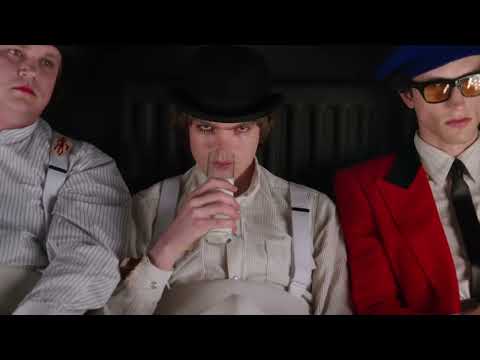
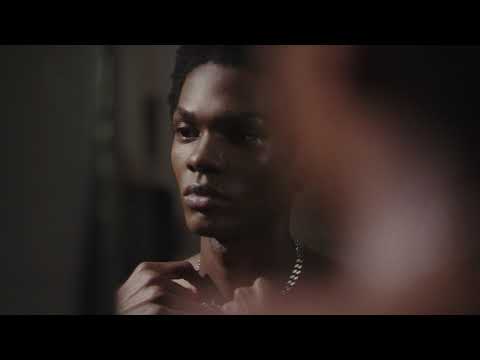
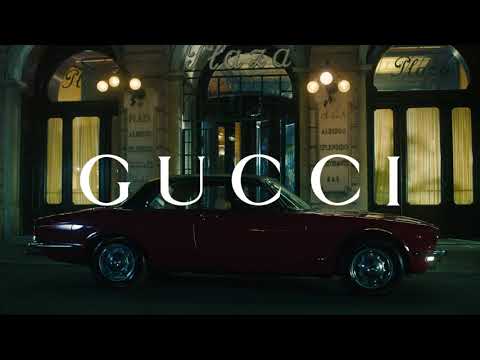
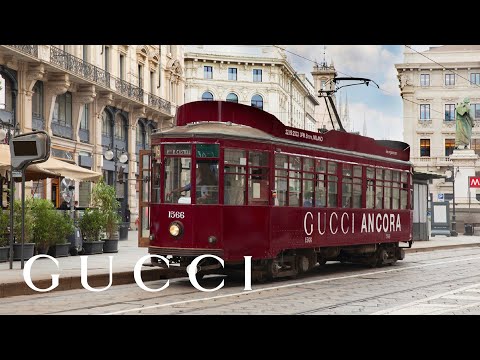
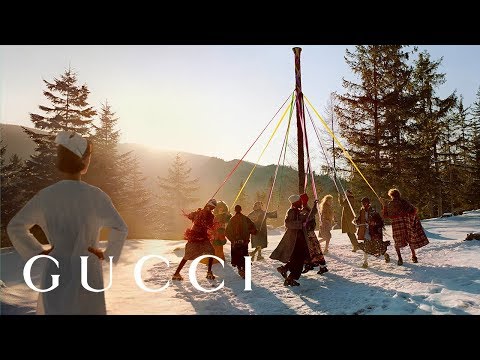
From the sun-drenched glamour of a 1970s Riviera shoot to the chaotic, beautiful theater of a Michele-era film, Gucci’s commercials have consistently done one thing: they have made the brand the protagonist in the ongoing story of what luxury means. They defined it as power under Tom Ford, as romance under Giannini, as inclusive creativity under Michele, and are now redefining it as intimate sensation under De Sarno. In doing so, Gucci hasn't just sold handbags; it has sold dreams, ideologies, and tickets to the forefront of culture—the ultimate luxury commodity.
Discover the identity of the stunning actress featured in the latest Gucci luxury ad. Uncover her background and the allure she brings to the campaign.
Discover the allure of Gucci ads featuring iconic celebrities. Explore stunning visuals and captivating campaigns that redefine luxury fashion.

Discover how Philips crafted its advertising legacy, shaping brand identity and consumer engagement through innovative strategies and memorable campaigns.

Discover the iconic advertising campaigns of the 90s that defined a generation. Explore their impact on culture and marketing strategies today.

Discover the funniest beer ads that have tickled our funny bones! Explore iconic commercials that blend humor and creativity in the world of beer marketing.

Discover the impact of Volkswagen's "Think Small" campaign, a revolutionary marketing strategy that reshaped the automotive industry and consumer perceptions.

Explore Levi's innovative campaigns in youth fashion advertising, showcasing how the brand connects with young audiences through creativity and style.

Discover the most iconic Christmas campaigns in Latin America, showcasing creativity and cultural richness that capture the festive spirit across the region.

Discover the actors who have represented top sports brands, blending talent and athleticism in unforgettable campaigns. Explore their impact on sports marketing.

Discover Hugh Jackman's captivating coffee advertising campaigns, showcasing his charm and charisma while promoting your favorite brews.