

For over 150 years, Levi Strauss & Co. has done more than manufacture clothing. It has woven itself into the fabric of cultural history. From the rebellious icons of 1950s Hollywood to the diverse, self-aware faces of Gen Z, Levi's jeans have been the uniform of youth movements across generations.
This iconic status was not accidental. It was built through advertising campaigns that understood something fundamental: young people do not buy products; they buy identities. Levi's advertising has consistently positioned its jeans not as mere garments, but as symbols of freedom, authenticity, and individuality.
This article explores Levi's most iconic youth fashion campaigns, analyzing their evolution, cultural impact, and the enduring legacy that keeps the brand relevant for each new generation.
📺 Iconic Campaigns
501 Blues (1984)
Concept: A series of black-and-white television spots featuring young people in authentic, everyday settings—walking down streets, hanging out in diners, simply being themselves. The campaign was stripped of glamour and artifice.
Soundtrack: A catchy, original blues jingle reinforced the feeling of effortless cool.
Impact: The campaign was a cultural and commercial triumph. It revitalized the 501 model, which had seen declining sales, and re-established Levi's as the definitive denim brand for a new generation of youth. It proved that authenticity was the ultimate fashion statement.
🎥 Watch the "501 Blues" campaign here:

Right for School (1970s–1980s)
Concept: A long-running campaign that targeted the massive youth demographic by focusing on their daily lives. Ads showed Levi's as the natural, comfortable choice for classrooms, campuses, and the social scenes that revolved around them.
Impact: "Right for School" cemented Levi's place in the everyday reality of young people. It moved denim from being purely symbolic of rebellion to being the practical, accepted uniform of student life across America.
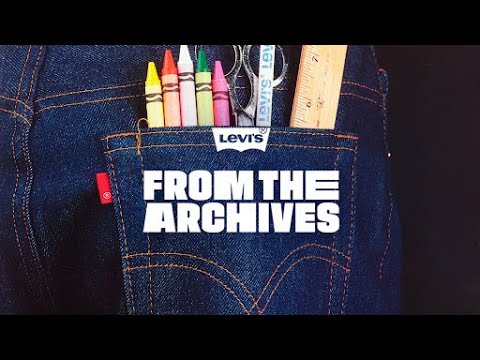
🎥 Watch a "Right for School" ad here:
Go Forth (2011)
Concept: A global campaign that marked a shift towards a more cinematic and philosophical tone. The ads featured pioneering youth—artists, explorers, dreamers—set against sweeping landscapes. The narration, often poetic, urged young people to embrace courage and forge their own paths.
Impact: "Go Forth" positioned Levi's as a brand not just for those who fit in, but for those who stood out. It connected the heritage of the American West with a modern spirit of exploration and individuality, resonating with a generation facing economic uncertainty and seeking authenticity.
🎥 Watch the "Go Forth" campaign here:

Live in Levi's (2014–present)
Concept: A global, long-running campaign that shifts focus from models and celebrities to real people. The ads feature a diverse cast of individuals from around the world going about their lives—dancing, working, creating, loving—all while wearing Levi's.
Impact: "Live in Levi's" has been crucial in modernizing the brand for Gen Z audiences. By emphasizing inclusivity, diversity, and real-life experiences, it demonstrates that Levi's are not just for a specific type of person, but for anyone with a story to live. It reinforces the idea that the jeans are a canvas for the wearer's own identity.
🎥 Watch the "Live in Levi's" campaign here:

📊 Comparison Table
| 501 Blues | 1984 | Authenticity & cool | Rejuvenated Levi's among 80s youth | Watch YouTube video |
| Right for School | 1970s–1980s | Student lifestyle | Made Levi's part of campus culture | Watch YouTube video |
| Go Forth | 2011 | Courage & individuality | Connected heritage with modern pioneering spirit |  Watch YouTube video |
| Live in Levi's | 2014–present | Inclusivity & diversity | Modernized brand for Gen Z | Watch YouTube video |
🌍 Cultural Foundations of Levi's Advertising
Youth Rebellion
Levi's jeans became the unofficial uniform of rebellion in the 1950s and 1960s. When icons like James Dean and Marlon Brando wore them on screen, denim was instantly transformed from workwear into a symbol of defiance against conformity. Levi's advertising campaigns have always tapped into this spirit, presenting jeans as more than clothing—they are statements of identity.
Music & Lifestyle
Levi's has masterfully intersected its advertising with music culture. The blues soundtrack of the 1984 campaign, the indie rock anthems used in the 2000s, and the diverse global sounds featured in "Live in Levi's" all serve to connect the brand with the emotional energy of youth. Music makes the message resonate.
Inclusivity & Diversity
Modern campaigns like "Live in Levi's" are a conscious evolution. By featuring multicultural casts, LGBTQ+ representation, and stories from around the world, the brand ensures its message of authenticity is inclusive. For Gen Z, a brand's values are as important as its products.
🔎 Expert Analysis
Why Levi's Campaigns Work
Authenticity: The campaigns succeed because they present jeans as symbols of identity, not just fashion trends. They sell the feeling of being yourself.
Cultural Adaptation: Levi's has shown a remarkable ability to evolve its message for each generation, from the campus-focused ads of the 70s to the poetic individualism of the 2010s.
Lifestyle Integration: The ads consistently show jeans as part of everyday life—school, work, adventure, relaxation. They are not distant, aspirational objects.
Inclusivity: By consistently broadening its definition of who wears Levi's, the brand ensures its relevance for an increasingly diverse and global youth audience.
Marketing Strategy
Levi's advertising masterfully blends heritage and innovation. It constantly reminds consumers of the brand's timeless authenticity while simultaneously adapting its visual language and messaging to reflect current cultural shifts. This balance is the key to its multi-generational appeal.
⚠️ Risks & Challenges
Competition: The denim market is fiercely competitive, with rivals like Diesel and Wrangler, and the constant pressure of fast-fashion retailers.
Authenticity: There is a constant risk of campaigns feeling too commercial or manufactured, losing the genuine connection with youth culture they seek.
Consistency: Maintaining a coherent emotional message across the diverse and fragmented global markets is a significant challenge.
Market Shifts: Younger audiences are increasingly demanding transparency and sustainability in fashion, forcing brands like Levi's to ensure their values are reflected not just in ads, but in their entire business model.
📜 Decade-by-Decade Context
1950s–1960s: Rebels & Icons
Levi's jeans became symbols of rebellion, cemented by their association with Hollywood icons like James Dean and Marlon Brando.
1970s–1980s: Campus Culture
Campaigns like "Right for School" targeted the massive student demographic, making Levi's a central part of everyday youth lifestyle.
1980s: 501 Blues
The iconic black-and-white campaign revitalized the brand with a focus on authenticity and a cool, blues-infused soundtrack.
1990s–2000s: Global Expansion
Levi's advertising expanded globally, often emphasizing music and lifestyle to connect with youth cultures worldwide.
2010s: Go Forth
The campaign positioned Levi's as a brand for modern pioneers, connecting its heritage with a new spirit of courage and individuality.
2014–present: Live in Levi's
A long-running focus on inclusivity, diversity, and real people has modernized the brand for Gen Z, ensuring its continued cultural relevance.
Conclusion
Levi's youth fashion advertising campaigns are more than a marketing timeline; they are a mirror of cultural change. From the rebellious spirit of the 1950s to the inclusive, diverse storytelling of today, Levi's has consistently positioned itself as the denim brand of choice for young people seeking to express their identity.
Its campaigns blend authenticity, lifestyle, and cultural resonance, ensuring Levi's remains a timeless symbol of youth. By tracing this evolution, we see how Levi's advertising has not only reflected but also influenced broader fashion marketing trends.
The future will likely see the brand navigate new challenges with the same core principle: that a pair of jeans, when marketed with honesty and cultural intelligence, can be far more than clothing. They can be a home for the human spirit.
Discover how Levi's iconic ads shaped cultural trends and influenced fashion, music, and social movements throughout the decades. Explore their impact today.
Discover the fascinating evolution of Levi's advertising, exploring iconic campaigns and their impact on fashion and culture throughout the decades.

Discover the most iconic Christmas campaigns in Latin America, showcasing creativity and cultural richness that capture the festive spirit across the region.

Discover the actors who have represented top sports brands, blending talent and athleticism in unforgettable campaigns. Explore their impact on sports marketing.

Discover Hugh Jackman's captivating coffee advertising campaigns, showcasing his charm and charisma while promoting your favorite brews.

Discover the captivating world of Julia Roberts in jewelry advertising campaigns, showcasing her elegance and charm in stunning visual narratives.

Discover how data-driven Spotify campaigns can elevate your music marketing strategy. Unlock insights to maximize your reach and engagement today.

Explore Chevrolet's profound influence on advertising and culture, showcasing iconic campaigns that shaped perceptions and connected with audiences worldwide.

Discover the iconic soundtracks of Corona ads that have captivated audiences. Explore how music enhances brand storytelling and creates lasting impressions.

Discover the iconic actors who have graced Dior campaigns, showcasing their talent and style in the world of high fashion. Explore their captivating journeys.