

For over a century, Pepsi-Cola hasn't just been selling a caramel-colored soft drink; it has been selling an identity. In the relentless "Cola Wars," its advertising slogans have served as its most potent artillery, defining generations, challenging rivals, and reflecting the shifting zeitgeist of American and global culture. More than mere marketing, Pepsi's taglines form a lyrical timeline of consumer desire, from post-war optimism to millennial irony. This article fizzes through the history of Pepsi's most memorable slogans, exploring the campaigns that cemented them in our collective memory and the strategic genius—and occasional missteps—behind the words.The Early Days: Establishing a Refreshing Rival (1898-1950)Pepsi's initial slogans were straightforward, focusing on the product's taste and digestive benefits as a cheaper alternative to Coca-Cola during the Great Depression.
"Exhilarating, Invigorating, Aids Digestion" (1898): The first slogan, created by inventor Caleb Bradham, made a direct health claim, common for the era.
"Delicious and Healthful" (1903): A simple, confident promise that anchored early brand identity.
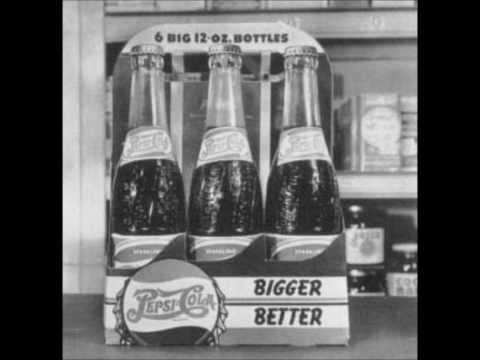
"Drink Pepsi-Cola" (1939): Paired with the revolutionary "Nickel Nickel" jingle, this was a masterstroke of value-based marketing during the Depression. For the same nickel, consumers got twice the volume of Coke. The jingle itself—"Pepsi-Cola hits the spot / Twelve full ounces, that's a lot"—became more famous than the tagline, embedding the brand in culture through pure value.
"The Light Refreshment" (1958): An early attempt to position Pepsi as a modern, less syrupy alternative.
"Now It's Pepsi for Those Who Think Young" (1961): The pivotal campaign. This slogan explicitly tied the brand to a youthful state of mind, not just an age demographic. It laid the foundation for everything that followed.
"Come Alive! You're in the Pepsi Generation" (1963): The iconic phrase was born. Created by ad agency BBDO, "The Pepsi Generation" wasn't about selling a soda; it was about selling membership into a dynamic, vibrant, baby-boomer club. Advertising showed young people surfing, driving convertibles, and socializing. Pepsi became the symbol of the new, active American lifestyle.
"Taste that Beats the Others Cold / Pepsi Pours It On" (1970s): With the "Pepsi Challenge" campaign of 1975, the focus temporarily shifted back to a tangible product advantage: taste. Blind taste tests claimed consumers preferred Pepsi. The slogans became direct, competitive, and confrontational, marking the most aggressive front in the Cola Wars.
"Pepsi's Got Your Taste for Life" (1981): A bridge slogan celebrating lifestyle.
"Pepsi. The Choice of a New Generation" (1984): A natural evolution of the "Pepsi Generation" for the MTV era. This campaign was defined by its ambassadors: Michael Jackson. His groundbreaking, choreographed commercials, like the iconic "Street" ad, were global events. The slogan positioned Pepsi as the cultural choice of the future.
"A Generation Ahead" (1989) & "Gotta Have It" (1990): Variations on the leadership theme, often featuring stars like Madonna, Ray Charles ("You Got the Right One, Baby, Uh-Huh!"), and Cindy Crawford.
"Nothing Else is a Pepsi" (1995): A declaration of uniqueness at a time of massive brand proliferation.
"Generation Next" (1997): Targeting Gen X with a high-tech, futuristic aesthetic and campaigns featuring the Spice Girls.
"The Joy of Cola / Pepsi Yes!" (2000-2002): A return to pure, simple product enjoyment with vibrant, chaotic ads.
"It's the Cola" (2003): A surprisingly bare-bones and short-lived statement.
"Dare for More" (2005): Tying the brand to aspiration and adventure.
"More Happy" (2009): A comparative claim that fell flat.
"Live for Now" (2012-2016): An attempt to capture millennial "YOLO" culture with massive star power (Beyoncé, One Direction, Jeff Gordon). It aimed for spontaneity and experience but sometimes blurred the line with activism.
"That's What I Like" (2018-2021): A more product-focused, confident, and retro-inspired claim.
"You've Gotta Taste It" (2023-Present): A contemporary return to the product, reminiscent of the Pepsi Challenge, used to launch new flavors like Pepsi Zero Sugar Mango.
Memorable Slogans & Campaign Table
| Value (1939) | "Drink Pepsi-Cola" | "Nickel Nickel" Jingle | Great Depression. Established Pepsi as a smart, generous value. |
| Youth Identity (1963) | "Come Alive! You're in the Pepsi Generation" | "Pepsi Generation" Ads | Post-war boom. Defined brand as symbol of youthful energy & lifestyle. |
| Taste War (1975) | "Taste that Beats the Others Cold" | The Pepsi Challenge | Direct, aggressive competition. Used "proof" to destabilize Coke's dominance. |
| Pop Culture Hegemony (1984) | "Pepsi. The Choice of a New Generation" | Michael Jackson "Street" Ad | MTV era. Fused brand with the world's biggest pop star; advertising as event. |
| Celebrity Firepower (1992) | "Gotta Have It" | Cindy Crawford "Beach" Ad | Supermodel era. Pure aspiration and star power. |
| Millennial Reach (2012) | "Live for Now" | Beyoncé, Kendall Jenner Ad | Social media age. Aimed for viral relevance; faced criticism for co-opting protest imagery. |
| Product Renaissance (2023) | "You've Gotta Taste It" | Pepsi Zero Sugar Mango | Health-conscious era. Focuses on flavor innovation and product superiority. |
Expert Analysis: The Strategy Behind the Slogans
Pepsi's slogan history reveals a brand perpetually in search of an "other" to define itself against: first price, then age, then taste, then cultural relevance.
"Pepsi's greatest success was inventing the concept of 'lifestyle branding' in the beverage category with 'The Pepsi Generation,'" says a branding historian. "They stopped selling refreshment and started selling identity. This allowed them to bypass Coke's heritage and own the future. However, their later struggle has been that in a fragmented digital culture, there is no singular 'generation' to own. The move from 'Choice of a New Generation' to 'Live for Now' shows a shift from collective identity to individual moment, which is inherently harder to build a lasting brand upon."
The "Pepsi Challenge" remains one of the most brilliant tactical campaigns ever, using comparative advertising to create a tangible reason to switch. Conversely, campaigns like "Live for Now" have been critiqued for trying to be too many things—a pop culture curator, a social justice ally, a purveyor of fun—leading to a diluted message.
Conclusion: The Fizz and the Flat
Pepsi's slogans form a compelling narrative of American marketing itself. At its peak, Pepsi didn't just have a slogan; it had a battle cry for a demographic revolution. Its most memorable lines—"The Pepsi Generation," "Choice of a New Generation"—worked because they were clear, confident, and culturally resonant, backed by flawless execution from jingles to Jackson.
The 21st century has proven more challenging, as the brand navigates a world without mass monoculture. The recent shift to "You've Gotta Taste It" suggests a potential back-to-basics strategy, echoing the disruptive clarity of the Pepsi Challenge. Ultimately, the history of Pepsi's slogans teaches us that the most powerful taglines do more than describe a product; they define the people who drink it and the times they live in. The quest for the next line that captures a generation continues, one refreshing, challenging sip at a time.
YouTube Visual References for Key Campaigns:
Pepsi "Nickel Nickel" Jingle (1940s):
 Watch YouTube video
Pepsi Generation "Motorcycle" Ad (1965):
Watch YouTube videoThe Pepsi Challenge (1979 Commercial):
Watch YouTube videoMichael Jackson "Street" Ad (1984):
Watch YouTube videoCindy Crawford "Beach" Ad (1992):
Watch YouTube videoPepsi "More Happy" Super Bowl 2019 ft. Steve Carrell:
Watch YouTube videoPepsi "You've Gotta Taste It" Mango (2023):
Watch YouTube video


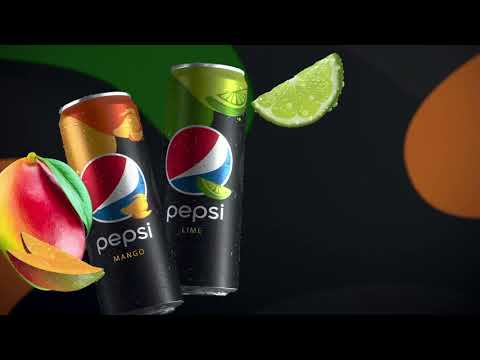
Discover the celebrity featured in Pepsi's 2026 "Pulse of the Moment" ad. Uncover the buzz and excitement surrounding this star-studded campaign.
Discover the actor featured in the Pepsi summer 2025 commercial. Get insights into their role and the creative vision behind this exciting campaign.
Discover the celebrity featured in the Pepsi Summer BBQ commercial and learn more about their role in this exciting summer campaign. Click to find out!
Explore the fascinating evolution of the Samsung logo in advertising campaigns, showcasing its impact on brand identity and consumer perception over the years.
Discover how Apple masterfully incorporates music in its advertisements to enhance brand storytelling and create emotional connections with audiences.
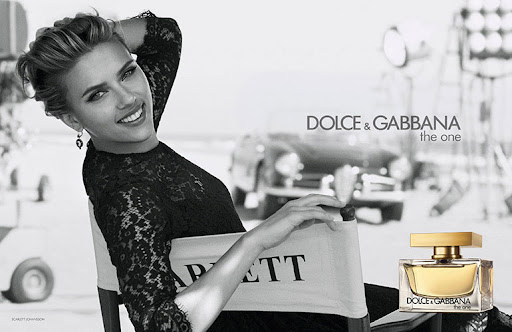
Explore the allure of Scarlett Johansson in luxury advertising campaigns, where her iconic style and charisma elevate prestigious brands to new heights.

Discover the most emotional advertising campaigns of the last decade that touched hearts and inspired change. Explore their powerful stories and impact.

Discover the best Nike commercials of the last decade, showcasing innovative storytelling and iconic athletes that inspire and motivate.
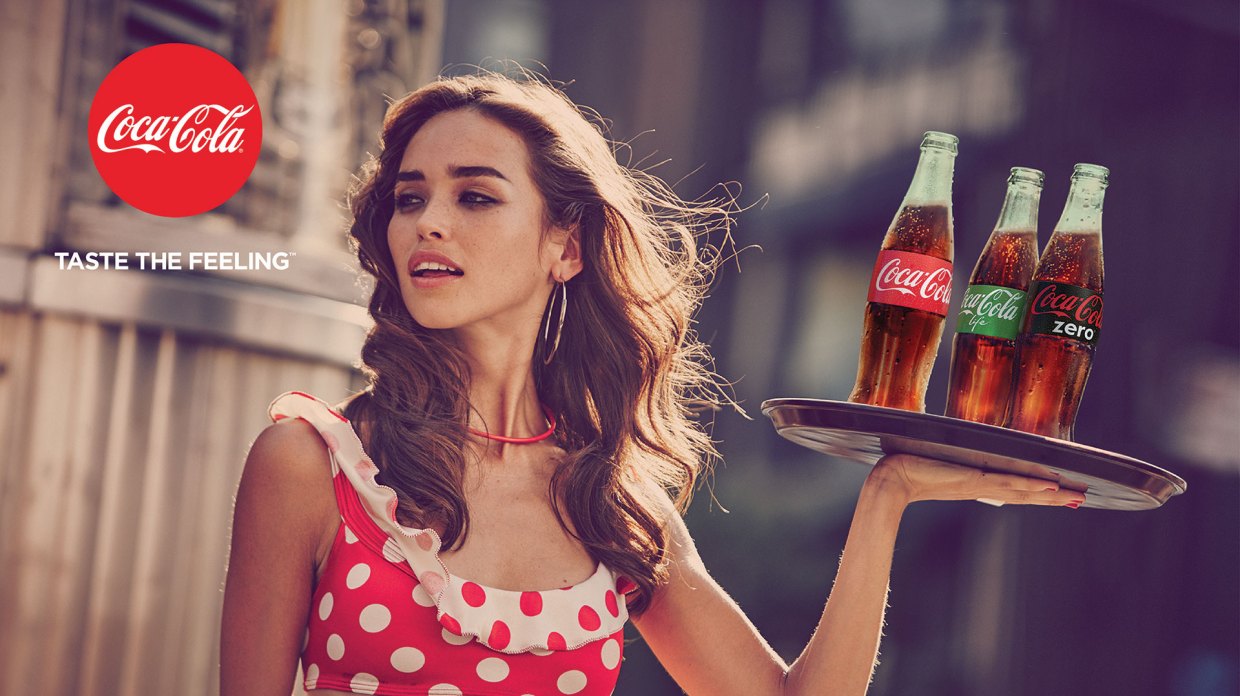
Explore the captivating history of Coca-Cola advertising, from iconic campaigns and memorable slogans to its global marketing evolution. Discover the brand's impact!

En 2025, las finanzas personales en México evolucionan más rápido que nunca. Por eso, entender y comparar tus opciones de crédito
Online gaming operators struggle to stand out, stay compliant, and retain players, challenges that traditional platforms often fail to meet