
Apple's television commercials have long transcended their role as simple product advertisements, becoming instead cultural touchstones and masterclasses in minimalist storytelling. At the heart of this success lies a meticulously crafted, revolutionary use of music. From the iconic "1984" Super Bowl spot to the emotionally resonant "Welcome Home" HomePod ad, Apple's TV spots don't feature music—they are fundamentally driven by it. This article deconstructs the strategic, psychological, and creative framework that makes Apple's TV ad soundtracks arguably the most influential in modern advertising.
The Core Philosophy: Music Is the Narrative
While most brands treat music as an emotional underscore to a spoken or visual narrative, Apple inverts this model. In its most powerful TV ads, the music becomes the primary narrator. The philosophy is one of radical trust: trust in the audience's emotional intelligence, trust in the power of a perfect song, and trust in the product to be its own best visual advocate.
This approach serves three masterstrokes:
Eliminates Clutter: No voiceover listing specs. No price points. Just the visceral connection between song, image, and feeling.
Creates Universality: A powerful instrumental or vocal melody transcends language and cultural barriers, making the ad globally effective.
Focuses on Experience: The viewer isn't told the device has a great speaker or a vivid screen; they are shown a person being transformed by the experience it enables, with music as the proof.
The Strategic Evolution: A Historical Soundtrack
Apple's TV ad music strategy has evolved with its products and cultural positioning, but its core principles have remained remarkably consistent.
The Era of Disruption (1980s-1990s)
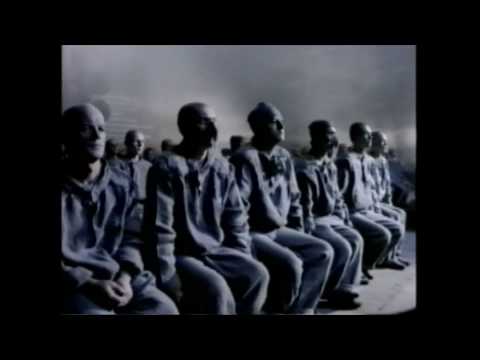
"1984" (1984): The ad that launched the Macintosh used a chilling, original score by Tony Banks of Genesis. It wasn't a pop song, but a cinematic, dystopian soundscape that built tension and framed Apple as the heroic rebel. It set the precedent: music sets the ideological stage.
"Think Different" (1997): The iconic campaign, voiced by Richard Dreyfuss, used a simple, poignant piano piece. The music was solemn, respectful, and grand—a sonic monument to the "crazy ones," perfectly aligning with Apple's brand renaissance under Jobs' return.
The Era of Cultural Identity (2000s)
This was Apple's golden age of music-in-advertising, defined by the iPod.
"Silhouette" Campaign (2004-onward): This series perfected the formula. Against solid-color backgrounds, silhouetted dancers moved with ecstatic energy to explosive indie rock tracks like Jet's "Are You Gonna Be My Girl" and The Caesars' "Jerk It Out." The strategy was genius:
Product as Enabler: The white earbuds and iPod were the only flashes of color and detail, making them the coveted keys to this joyful experience.
Curation as Cool: Apple wasn't using safe oldies; it was a tastemaker, introducing viewers to cutting-edge music.
Universal Emotion: The ads sold pure, unadulterated musical joy.
The Era of Emotional Integration (2010s-Present)
As products became more integrated into daily life (iPhone, AirPods, HomePod), the music strategy deepened into emotional storytelling.
"Shot on iPhone" Campaigns: These often use evocative, often indie-folk or atmospheric tracks that feel personal and authentic, turning user-generated content into cinematic poetry. The music provides the emotional layer that elevates the visuals.
"Welcome Home" – HomePod (2018): Directed by Spike Jonze and featuring Anderson .Paak's "Til It's Over," this ad is a tour de force. The song dynamically responds to the protagonist's actions, with the HomePod literally reshaping her reality. It’s the ultimate demonstration of adaptive audio and product-as-magical-conduit.
"The Greatest" – AirPods (2023): Reimagining the silhouette campaign for a new era, it features dancers moving to a vibrant remix of Labrinth's "The Greatest," showcasing the seamless, wireless freedom of the product.
The Psychological Mechanics: Why It Works
Apple's TV ad music strategy leverages deep cognitive principles:
Emotional Contagion: The chosen music carries a specific, potent emotion (joy, awe, rebellion, nostalgia) that infects the viewer and attaches directly to the product.
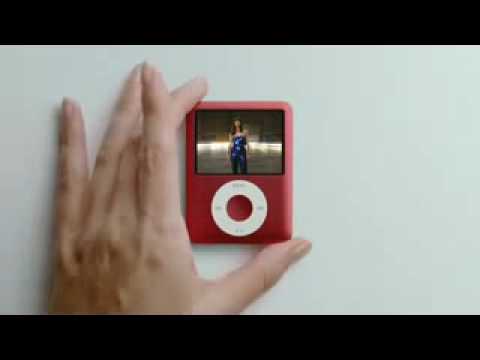
Associative Learning: Through repetition and cultural impact, hearing a song like "1234" by Feist (used in an iconic iPod Nano ad) can trigger immediate mental imagery of the product and its associated feelings of lightness and fun.
The Coolness Transfer: By consistently aligning with artists and songs perceived as innovative and authentic, Apple absorbs those qualities. The brand doesn't buy cool; it partners with it.
Expert Analysis: The Invisible Architecture
The magic of an Apple TV ad feels effortless, but it's the result of a rigorous, often obsessive process.
"Apple's music briefs are less about demographics and more about emotion and identity," notes a former creative consultant for the brand. "They ask: 'What is the feeling of using this product when it works perfectly? Is it liberation? Focus? Creative flow?' The search for the song is a search for the sonic embodiment of that feeling."
The selection process is famously exacting. Stories abound of teams sifting through thousands of tracks, often from undiscovered or niche artists, to find the one that fits perfectly. The sync—the precise alignment of musical cues with visual moments—is treated with cinematic precision. A beat drop might coincide with a dramatic reveal; a lyrical phrase might comment directly on the action.
Furthermore, Apple has mastered "needle-drop" moments in longer-form TV spots. A song doesn't just play; it enters the narrative at a pivotal point, often diegetically (as if coming from the product itself), making the technology feel alive and responsive.
Conclusion: The Song Sells the Dream
Apple's use of music in its TV ads is the ultimate expression of its marketing philosophy: sell the dream, not the specification. The iPhone isn't sold on its processor but on the life you can live with it, soundtracked perfectly. The AirPods aren't sold on driver size but on the feeling of wireless freedom they provide.
By placing music at the absolute forefront—as narrator, as emotional engine, as cultural curator—Apple accomplishes what few brands can: it makes its products feel essential to a richer, more expressive, and more emotionally resonant life. The TV screen shows the possibility, but it is the soundtrack that makes the viewer feel it, creating a desire that is far more powerful than any list of features could ever be. In the end, Apple doesn't just want you to buy a device; it wants you to buy into a better, more beautifully scored version of your own reality.
Notable Examples for Reference (Raw YouTube URLs):
Apple - "1984" (Macintosh Super Bowl Ad):
 Watch YouTube video
iPod Silhouette - "Are You Gonna Be My Girl" (Jet):
Watch YouTube videoiPod + iTunes - "1234" (Feist):
Watch YouTube videoApple Watch - "Up" (Olafur Arnalds):
Watch YouTube videoHomePod - "Welcome Home" (ft. Anderson .Paak):
Watch YouTube videoShot on iPhone - "Under the Table" (Fiona Apple):
Watch YouTube video




Discover the artist behind the captivating song in the Apple AirPods Pro ad. Uncover the details and enhance your listening experience today.
Discover the deeper meaning behind the Apple AirPods 2026 commercial. Explore themes, symbolism, and the message that resonates with audiences worldwide.
Discover the song featured in the Apple Holiday 2025 commercial. Uncover the artist and lyrics that set the perfect festive mood this season.

Explore the allure of Scarlett Johansson in luxury advertising campaigns, where her iconic style and charisma elevate prestigious brands to new heights.

Discover the most emotional advertising campaigns of the last decade that touched hearts and inspired change. Explore their powerful stories and impact.

Discover the best Nike commercials of the last decade, showcasing innovative storytelling and iconic athletes that inspire and motivate.
Explore the captivating history of Coca-Cola advertising, from iconic campaigns and memorable slogans to its global marketing evolution. Discover the brand's impact!

En 2025, las finanzas personales en México evolucionan más rápido que nunca. Por eso, entender y comparar tus opciones de crédito

Online gaming operators struggle to stand out, stay compliant, and retain players, challenges that traditional platforms often fail to meet

En México, cuando ocurre una emergencia de salud, el coche se descompone o simplemente no alcanza para cubrir un recibo urgente
Nel vivace e competitivo universo dei casinò online, farsi notare non è affatto semplice. Serve una formula vincente che unisca innovazione