
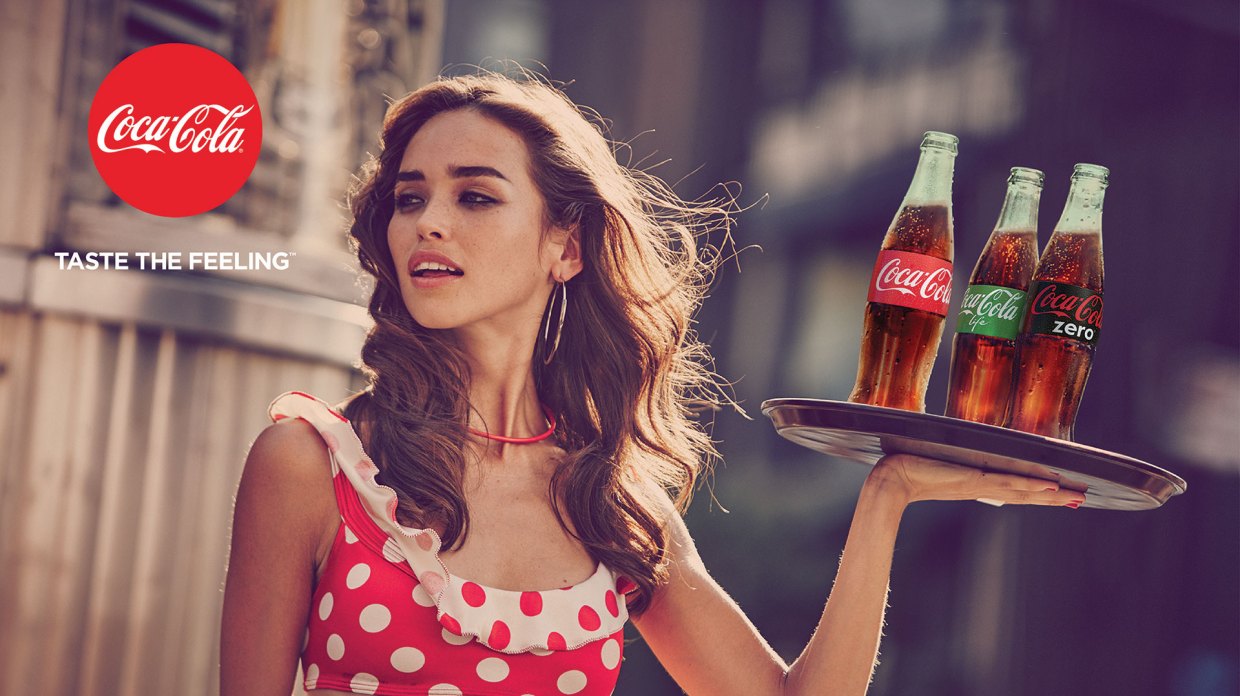
For over 135 years, Coca-Cola hasn’t just been selling a carbonated beverage; they have been selling an emotion. From the hand-painted oil cloth signs of the late 1800s to the high-tech AI-integrated campaigns of today, the brand has mastered the art of "humanized" marketing. This article explores the strategic evolution of Coca-Cola's advertising, analyzing how a simple pharmacy soda became a global symbol of happiness and unity.
The Philosophy of "Liquid Harmony"
Coca-Cola’s marketing success is rooted in a consistent psychological trigger: Universal Connection. While competitors often focus on taste profiles or price points, Coca-Cola focuses on the "moment." Whether it’s a family dinner, a first date, or a global sporting event, the brand positions itself as the silent witness to life’s most joyful experiences.
Key Pillars of the Coca-Cola Strategy
Emotional Resonance: Prioritizing how a consumer feels over what they drink.
Visual Consistency: The "Spencerian script" and "Coke Red" are among the most recognized brand assets in human history.
Global Localism: Adapting global themes to fit local cultural nuances (Glocalization).
The Hero’s Journey: Positioning the consumer as the protagonist and the drink as the catalyst for a happy ending.
The Iconic Eras of Coca-Cola Ads
To understand the brand’s dominance, we must look at the specific eras that defined its trajectory. Coca-Cola was an early adopter of celebrity endorsements, seasonal marketing (the modern Santa Claus), and narrative-driven television spots.
| Era | Core Theme | Key Slogan | Cultural Impact |
| 1880s–1920s | Medicinal & Refreshing | "Delicious and Refreshing" | Established the drink as a daily ritual. |
| 1930s–1950s | Comfort & Home | "The Pause that Refreshes" | Created the modern visual of Santa Claus. |
| 1960s–1980s | Unity & Peace | "I'd Like to Buy the World a Coke" | Positioned Coke as a tool for global harmony. |
| 1990s–2010s | Animation & Joy | "Always Coca-Cola" | Introduced the iconic Polar Bears. |
| 2020s–Present | Real Magic | "Real Magic" | Focuses on human connection in a digital age. |
Expert Analysis: Why the Formula Works
From a neuromarketing perspective, Coca-Cola’s advertising works because it bypasses the analytical brain and targets the limbic system—the seat of emotion and memory.
1. The Power of Seasonal Anchoring
Coca-Cola effectively "owns" Christmas in the minds of millions. By associating their brand with the warmth of the holidays and the generosity of Santa Claus (illustrated by Haddon Sundblom in 1931), they created a seasonal sales spike that most beverage companies struggle to replicate.
2. Radical Inclusivity
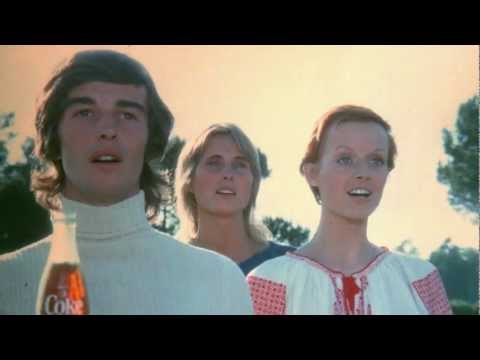
During the height of the Cold War and the Civil Rights movement, Coca-Cola took a stand with the "Hilltop" ad (1971). By showing a diverse group of people on a hillside in Italy singing about harmony, they moved beyond being a product to being a social statement. This was one of the first major examples of "purpose-driven marketing" before the term even existed.
3. Sensory Branding
The "clink" of the glass, the "pssh" of the cap, and the "glug-glug" sound in their radio and TV ads are not accidental. These are sensory cues designed to trigger thirst through Pavlovian conditioning.
A Historical Timeline of Visual Storytelling
The Santa Claus Connection
Contrary to popular myth, Coca-Cola did not "invent" Santa Claus, but they did standardize his appearance. Before the 1930s, Santa was often depicted as a tall, thin man or even an elfish figure in green or brown. Coca-Cola’s commission of Sundblom’s artwork solidified the "jolly, plump man in a red suit" image that we recognize today. This move wasn't just artistic; it was a brilliant way to encourage soda consumption in the winter months, which were traditionally slow for cold beverages.
The Polar Bears
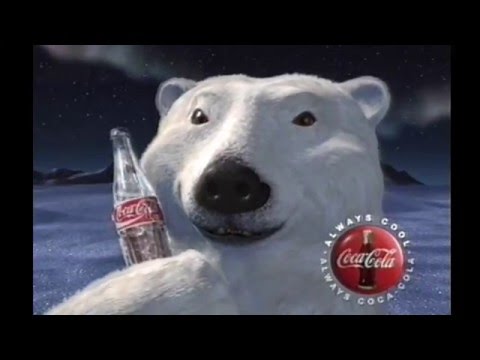
Introduced in 1993 for the "Always Coca-Cola" campaign, the "Northern Lights" commercial used groundbreaking CGI (at the time) to humanize the bears. They didn't speak; they simply shared a Coke while watching the Aurora Borealis. This emphasized that "Coca-Cola is a universal language."
The Digital Pivot: Real Magic in the 21st Century
In recent years, the brand has shifted toward "Real Magic." This strategy acknowledges that the world is fractured and that digital fatigue is real. Their latest campaigns use a "collision" of styles—mixing live-action, animation, and AI—to show that magic happens in the unexpected moments of human connection.
SEO Takeaway for Marketers:
If you want to build a brand like Coca-Cola, stop selling the "what" and start selling the "why." Use high-quality visual storytelling, maintain extreme brand consistency (colors, fonts, tone), and never be afraid to lean into the shared human experience.
Conclusion: The Living History of the "World's Drink"
Coca-Cola’s advertising history is a mirror of modern society. It reflects our changing fashion, our social struggles, and our collective hopes. By consistently betting on optimism, Coca-Cola has ensured that it remains more than just a recipe of syrup and carbonated water—it is a cultural icon.
Iconic Coca-Cola Ads (YouTube Links)
Below are the raw links to the most influential commercials in the history of the brand. These videos demonstrate the shift from simple jingles to cinematic storytelling.
1971: "Hilltop" / "I'd Like to Buy the World a Coke"
This is arguably the most famous ad in history, representing global unity.
 Watch YouTube video
1979: "Mean Joe Greene"
A masterclass in emotional storytelling, showing the "tough" football player softened by a child and a bottle of Coke.
Watch YouTube video1993: "Northern Lights" (Polar Bears)
The debut of the iconic polar bears that redefined holiday marketing for the 90s.
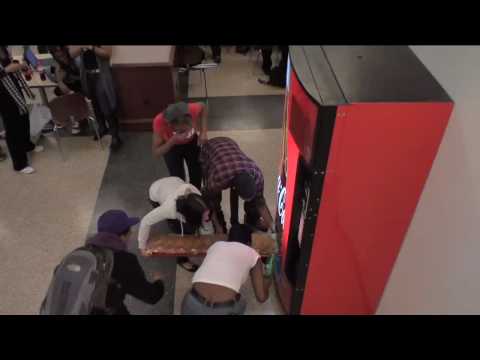
Watch YouTube video2010: "Happiness Machine"
A pioneer in the "viral marketing" and "stunt" era, focusing on spontaneous joy in a college cafeteria.
Watch YouTube video2023: "Masterpiece"
A recent example of using AI and high-end CGI to blend art history with the brand’s "Real Magic" philosophy.
Watch YouTube video


Discover the catchy tune featured in Coca-Cola's 2026 "Real Magic" commercial. Uncover the artist and song details that are captivating audiences worldwide.
Discover the song featured in Coca-Cola's 2026 "Real Magic" commercial. Uncover the artist and lyrics that bring this captivating ad to life.
Discover the enchanting song featured in the 2025 Coca-Cola Christmas truck commercial. Unwrap the festive spirit and find out more about this holiday classic.

En 2025, las finanzas personales en México evolucionan más rápido que nunca. Por eso, entender y comparar tus opciones de crédito
Online gaming operators struggle to stand out, stay compliant, and retain players, challenges that traditional platforms often fail to meet

En México, cuando ocurre una emergencia de salud, el coche se descompone o simplemente no alcanza para cubrir un recibo urgente

Nel vivace e competitivo universo dei casinò online, farsi notare non è affatto semplice. Serve una formula vincente che unisca innovazione

One of the biggest attractions of any online casino or betting site is the range of promotions and bonuses it offers. Players love extra value

The online betting and gaming market in Bangladesh is growing quickly, and platforms like BK33 are at the front of this change.

Discover why ECN-2 developing is reviving motion picture film. Explore the benefits and techniques that bring film back to life!

Explore the future of interactive fiction and discover if traditional novels are at risk. Dive into the evolving landscape of storytelling today!