
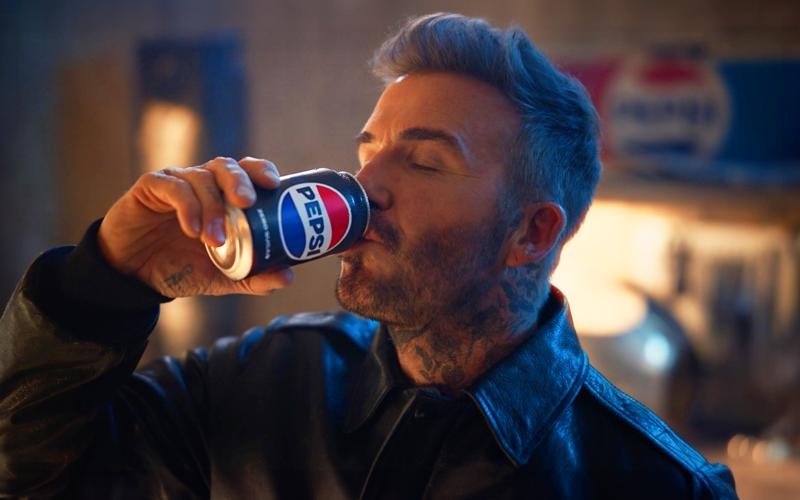
For over a century, the cola wars have been fought on the battleground of culture. In 2026, facing an existential squeeze between Coca-Cola's timeless dominance and the rise of niche, health-conscious alternatives, Pepsi launched not just a campaign, but a multifaceted cultural offensive. Coinciding with its 125th anniversary, Pepsi's global strategy represents a high-stakes bet: can a legacy brand simultaneously leverage its heritage, infiltrate the digital native sphere, and credibly rebrand itself as a sustainable leader? This 2026 initiative is a masterclass in modern brand triangulation, attempting to be nostalgic for Boomers, cool for Gen Z, and responsible for all.
The Strategic Imperative: Why Pepsi Had to Go Big in 2026
Pepsi's ambitious push was born from a perfect storm of market pressures. The brand exists in a precarious middle ground: perpetually the challenger to Coca-Cola's classic throne, while also being viewed as the "corporate" option by newer, agile beverage startups. Its core demographic was aging, while Gen Z and Alpha, wielding immense buying influence, saw it as their parents' brand. Furthermore, the global conversation had irrevocably shifted toward sustainability and ingredient consciousness, areas where sugary sodas are inherently vulnerable.
The 125th anniversary presented a unique opportunity—not just to throw a birthday party, but to re-found the brand. The campaign’s goal was to perform a delicate act of alchemy: transmute Pepsi's legacy from mere commercial history into a living, breathing cultural credential, while forcefully pivoting its energy toward the future.
Deconstructing the 2026 Blueprint: A Six-Pillar Strategy
Pepsi's campaign is a complex machine built on six interlocking strategic pillars, designed to attack the market on all fronts.
1. The "Pepsi 125" Rebrand: Nostalgia as a Launchpad, Not a Crutch
The anniversary was the campaign's anchor, but its execution was forward-looking. The visual rebrand likely featured a modernized, vibrant take on classic Pepsi logos and typography, not a simple reissue of old designs.
YouTube:
This approach sends a dual message: to older consumers, it whispers "we remember"; to younger ones, it shouts "our history is cool, and we're reinterpreting it for you." The risk is appearing stuck in the past, but the reward is claiming a heritage of "youth culture" that spans generations, positioning Pepsi as always having been on the cutting edge.
2. Hyper-Digital Storytelling: Owning the Scroll
Understanding that Gen Z's cultural homeland is TikTok and YouTube Shorts, Pepsi moved its creative headquarters there. The campaign would have been driven by viral challenges, creator-led content, and interactive AR filters. Instead of just broadcasting a message, Pepsi aimed to become the canvas for user-generated expression. This shifts the brand from advertiser to enabler of digital creativity, fostering a sense of ownership and authenticity that a glossy TV ad cannot.
3. The Celebrity Ecosystem: From Global Icons to Niche Influencers
Pepsi maintained its legacy of mega-star partnerships (think Bad Bunny, Doja Cat) for broad reach, but layered on micro- and nano-influencers in specific subcultures—gaming, skateboarding, K-pop fan clubs. This creates a tiered cultural resonance: the global star provides the halo effect, while the niche influencer provides street-level credibility and access to hyper-engaged communities.
4. The "Zero Sugar" Pivot: Health-Conscious Without the Sacrifice
Acknowledging the sugar crisis was non-negotiable. The campaign for Pepsi Zero Sugar was critical. Its messaging couldn't be about deprivation ("less sugar"), but about enhanced, modern enjoyment.
YouTube:
Ads likely showed stylish, active people choosing Zero Sugar not for health, but because it's the smarter, more contemporary version of the Pepsi taste they love. This aims to prevent customer defection to other categories without cannibalizing the classic line.
5. Experiential Immersion: From Spectator to Participant
Pepsi continued to buy visibility through major sports sponsorships, but with a twist. Campaigns like "Home Games Deserve" for hockey focused on the fan's emotional journey.
YouTube:
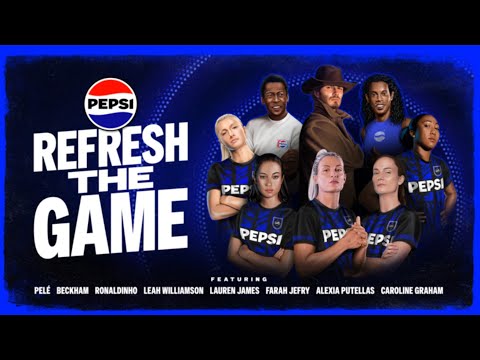
The strategy moves beyond slapping a logo on a board. It ties the product to the intimate, personal celebration in the living room or the local bar, making Pepsi an essential prop in the fan's own story, not just the arena's backdrop.
6. The Sustainability Gambit: "PepsiCo Positive" (pep+)
This is the highest-risk, highest-reward pillar. Pepsi aggressively promoted its sustainability platform (pep+), highlighting recyclable packaging and reduced carbon footprint. In 2026, this isn't a bonus—it's a license to operate for young consumers. The creative challenge was immense: how to make a corporate responsibility report feel culturally compelling? The campaign likely used visually stunning, hopeful imagery of nature and circular economies, directly linking the choice of a Pepsi to a positive planetary choice.
The Pepsi 2026 Strategic Matrix: Balancing Acts
| "Pepsi 125" Rebrand | Nostalgic Pride, Modern Relevance. | Multi-Generational (Boomers to Gen Z). | Avoiding "old-fashioned" perception; making nostalgia feel fresh. |
| Digital-First Storytelling | Participation, Creativity, Community. | Gen Z & Alpha (Digital Natives). | Cutting through content saturation; achieving genuine UGC, not forced trend-hopping. |
| Tiered Influencer Strategy | Cultural Credibility, Subcultural Belonging. | Gen Z (Fragmented Tribes). | Maintaining authenticity; avoiding influencer partnerships that feel transactional. |
| Pepsi Zero Sugar Push | Smart Indulgence, Guilt-Free Enjoyment. | Health-Conscious Millennials & Gen Z. | Preventing cannibalization of core product; making "zero sugar" feel premium, not medicinal. |
| Experiential "Fandom" Focus | Emotional Resonance, Personal Celebration. | Sports & Music Fans. | Translating massive event sponsorships into intimate, personal brand connections. |
| Sustainability (pep+) Narrative | Trust, Responsible Choice, Hope. | Ethically-Driven Consumers (All Ages). | Avoiding greenwashing accusations; providing tangible, understandable proof of progress. |
Analysis: Navigating the Minefield of Modern Marketing
Pepsi's 2026 strategy is a breathtaking high-wire act with multiple points of potential failure. The most significant is the authenticity trap. Gen Z has a peerless ability to detect corporate posturing. A sustainability message that feels bolted-on, or a TikTok challenge that feels marketer-manufactured, will be mocked and rejected, causing severe brand damage.
Furthermore, the campaign risks message dilution. With six major pillars, does the brand stand for one clear thing? Can it be the party soda, the healthy choice, the heritage icon, and the planet's friend simultaneously? The strategy requires flawless creative execution to ensure these narratives feel like facets of a single, coherent brand identity, not a scattered pile of marketing tactics.
Finally, the specter of greenwashing is omnipresent. Any misstep between Pepsi's sustainability promises and its actions—or those of its parent company—will be magnified. In 2026, consumers, activists, and competitors are all watching, ready to pounce on any discrepancy.
Conclusion: A Blueprint for Legacy Brand Reinvention
Pepsi's 2026 global campaign is more than an anniversary celebration; it is a case study in how a legacy giant attempts to reprogram its DNA. It acknowledges that you cannot abandon your past, but you cannot be enslaved by it. You cannot ignore digital culture, but you must engage with it on its own terms. You cannot dismiss health and sustainability concerns; you must lead the conversation within your category.
Whether this campaign is ultimately deemed a triumph will depend on its sustained ability to feel genuine, cohesive, and brave. It shows that winning in the modern cola wars—and in the broader beverage landscape—requires not just outspending competitors, but outthinking culture itself. Pepsi isn't just selling soda in 2026; it's selling a multifaceted identity, hoping that in a fragmented world, enough consumers will find a piece of themselves reflected in its bold, complicated, and ambitious mosaic.
Discover the celebrity featured in Pepsi's 2026 "Pulse of the Moment" ad. Uncover the buzz and excitement surrounding this star-studded campaign.
Discover the actor featured in the Pepsi summer 2025 commercial. Get insights into their role and the creative vision behind this exciting campaign.
Discover the celebrity featured in the Pepsi Summer BBQ commercial and learn more about their role in this exciting summer campaign. Click to find out!

Discover how PlayStation and Xbox are engaging Gen Z with innovative advertising strategies that resonate with their values and interests.

Discover the ultimate showdown between Samsung and Apple in 2026. Explore our detailed flagship ad comparison to find out which brand reigns supreme.

Discover the top 5 electric vehicle commercials of 2026! Explore innovative ads that showcase the future of EVs and their impact on sustainable driving.

Discover Tesla's innovative marketing strategy for 2026 through an in-depth analysis of their impactful video campaigns. Uncover insights and trends now.

Discover how Philips Ads revolutionized tech marketing, influencing strategies and shaping the industry's future. Explore the impact today.

Discover the most influential advertising campaigns of the 2020s that transformed brands and captivated audiences. Explore creativity and impact today!

Discover how Siemens Ads transformed tech marketing strategies, driving innovation and engagement in the digital landscape. Explore the impact today.

Explore the effectiveness of celebrity endorsements in 2026. Discover trends, insights, and how they influence consumer behavior in today's market.