

In 1997, Apple Computer was on the brink of collapse. It had lost over $1.8 billion in two years, its product line was bloated and confusing, and its market share had dwindled to 3%. The return of Steve Jobs that year marked the beginning of a corporate revolution, but a revolution needs a manifesto. That manifesto was "Think Different." More than an ad campaign, it was a spiritual reset, a defiant declaration of identity, and the cornerstone upon which Apple rebuilt itself into the most valuable company in the world. This article explores the profound and enduring legacy of the "Think Different" campaign.The Context: A Company That Had Forgotten ItselfTo understand the campaign's impact, one must grasp Apple's dire state. After Jobs' ouster in 1985, Apple had drifted. It was trying to compete with Microsoft and Dell on their terms—licensing its OS, proliferating models, chasing market share. In the process, it had diluted its core identity as the tool for creative, non-conformist individuals.Steve Jobs' first task was radical simplification: killing dozens of products, refocusing on a few core lines (ultimately leading to the iMac, iBook, iPod, etc.). But he knew a product strategy alone wouldn't work. He needed to re-ignite the faith—of employees, developers, and most importantly, customers—in what Apple stood for.The Campaign: A Love Letter to the "Crazy Ones"Launched in 1997, "Think Different" was created by the TBWA\Chiat\Day agency. It consisted of a legendary 60-second television ad, a series of iconic print ads, and the slogan itself plastered on billboards and buildings.
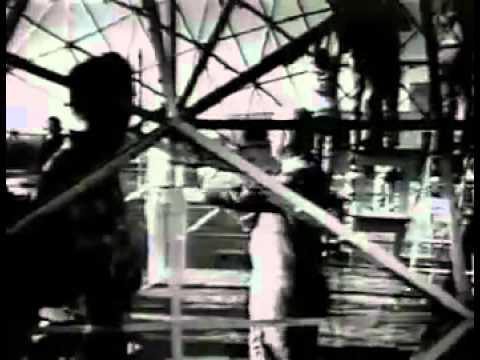
The Ad: Black-and-white archival footage of 20th-century visionaries and rebels: Albert Einstein, Bob Dylan, Martin Luther King Jr., John Lennon, Amelia Earhart, Mahatma Gandhi, Pablo Picasso, and others. No living figures were shown. The ad was narrated by actor Richard Dreyfuss (though a version with Steve Jobs' voice was also recorded).
The Words: The copy, reportedly workshopped by Jobs himself, was a poetic ode:
"Here's to the crazy ones. The misfits. The rebels. The troublemakers... Because the people who are crazy enough to think they can change the world are the ones who do."
The Soundtrack: No music, just the solemn, inspiring narration.
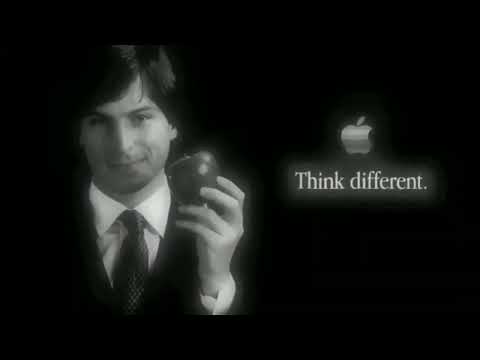
The Product: None. Not a single Apple computer, mouse, or screen appeared. The ad ended with the rainbow-colored Apple logo and the words "Think Different."
Reframed Apple's "Otherness": Apple's dwindling market share was no longer a weakness; it was proof you weren't a conformist. Buying Apple was an act of aligning yourself with Einstein and Gandhi, not a pragmatic choice for the best spreadsheet software.
Validated the Core Customer: It told the artists, designers, educators, and creatives who had stuck with Apple through its dark days: "You were right. We see you. This is for you."
Created an Aspirational Tribe: It invited everyone else to want to be part of this club of "crazy ones." It made the product a badge of membership in an elite group of world-changers.
It Defined the "Why": Simon Sinek's "Start With Why" concept is embodied here. Before the iMac, iPod, or iPhone, Apple told you why it existed: to empower creative minds to challenge the status quo. Every product launch thereafter was merely the "how."
It Made Innovation Emotional: It connected the dry concept of "innovation" to the profound human emotions of passion, rebellion, and genius. This emotional equity allowed Apple to command premium prices and fierce loyalty.
It Provided a Filter for Everything: This philosophy dictated product design (simple, elegant, human-centric), retail experience (the "Genius Bar," open spaces), and even corporate structure (small, focused teams). If an idea didn't help people "think different," it was discarded.
The Enduring Legacy: More Than a Slogan
The legacy of "Think Different" permeates Apple and modern business culture.
It Saved and Redefined the Brand: It is the single most important non-product factor in Apple's turnaround. It provided the ideological foundation upon which the iMac G3, iPod, and iPhone were built and marketed. The iPod wasn't just an MP3 player; it was a tool for the "crazy ones" to soundtrack their lives differently.
It Invented Modern Purpose-Driven Branding: Decades before "brand purpose" became a buzzword, Apple demonstrated that a company could stand for an idea bigger than its products. It showed that marketing could be about shared values, not just features and benefits.
Its Aesthetic Became Apple's Aesthetic: The stark, minimalist, black-and-white homage to iconic thinkers informed Apple's entire visual language: clean product photography, uncluttered stores, and the "hero shots" of devices against white backgrounds.
The Mantra Lived On: While the official campaign ended around 2002, its spirit never died. It evolved into "Here's to the crazy ones. Again." for the iPhone launch. It's present in the "Shot on iPhone" campaigns that empower everyday creativity. The 2022 iPhone 14 ad, "The Greatest," directly channels the rebellious, energetic spirit of the "crazy ones."
Expert Analysis: The Alchemy of "Think Different"
"Think Different' was alchemy," says a branding strategist. "It took Apple's greatest liability—its small market share and perceived niche appeal—and transmuted it into its greatest asset: an exclusive identity for innovators. It performed a psychological trick: it made you believe that by buying a computer, you weren't making a purchase; you were making a statement about your own genius and potential. That is the most powerful kind of brand magic."
The campaign also worked because it was authentic to Apple's founding myth (the two Steves in a garage challenging IBM) and to Steve Jobs' own self-perception as a rebel and artist. It didn't feel invented; it felt revealed.
Conclusion: The Echo of a Revolution
The "Think Different" campaign's ultimate legacy is that it changed how companies think about themselves and their customers. It proved that in a crowded market, the deepest connection wins. It moved the battlefield from specs to spirit, from technology to humanity.
Today, when you see an Apple Store, when you unbox a meticulously designed product, or when you witness the cultural footprint of the iPhone, you are seeing the enduring echo of that 1997 plea to the "misfits, rebels, and troublemakers." Apple didn't just ask us to think different; it embedded that challenge into its very DNA, creating a legacy that continues to shape our world.
YouTube Visual References:
The Original "Think Different" TV Ad (1997):
 Watch YouTube video
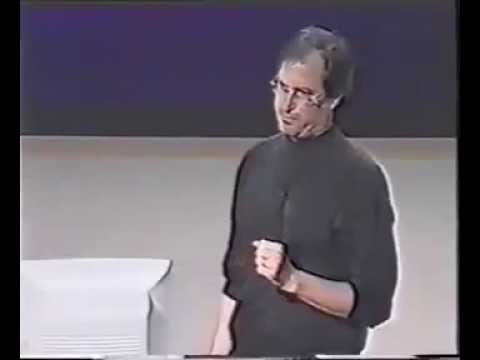
Steve Jobs Introducing "Think Different" at WWDC 1997 (Internal):
Watch YouTube videoCompilation of "Think Different" Print Ads:
Watch YouTube videoApple "Crazy Ones" Narrated by Steve Jobs (Rare Version):
Watch YouTube video
Discover the actor featured in the Apple iPad Mid-2026 Refresh ad. Uncover insights about their role and contributions to this innovative campaign.
Discover the song featured in Apple's Shot on iPhone Pride campaign. Uncover the artist and the message behind this vibrant celebration of diversity.
Discover the artist behind the captivating song in the Apple AirPods Pro ad. Uncover the details and enhance your listening experience today.

Explore the evolution of Levi's campaigns in fashion, showcasing iconic styles and cultural impact that shaped denim history. Discover the journey today!

Discover Europe’s most memorable Christmas campaigns that capture the spirit of the season. Explore heartwarming stories and creative marketing magic.

Discover how your favorite celebrities are making a difference through charity campaigns. Explore inspiring stories and impactful initiatives today.

Discover George Clooney's remarkable journey with Nespresso, exploring his impact on the brand and the coffee industry through innovation and sustainability.

Discover how sports brand ambassadors elevate advertising strategies, enhance brand visibility, and connect with audiences through authentic endorsements.

Discover the top fashion ad actors shaping the industry. Explore their influence, styles, and the latest trends in advertising and modeling.

Discover the stars behind your favorite energy drink commercials. Explore the actors who bring excitement and energy to these dynamic advertisements.

Discover Leonardo DiCaprio's impactful eco-friendly campaigns, showcasing his commitment to environmental conservation and sustainable living. Join the movement today!