
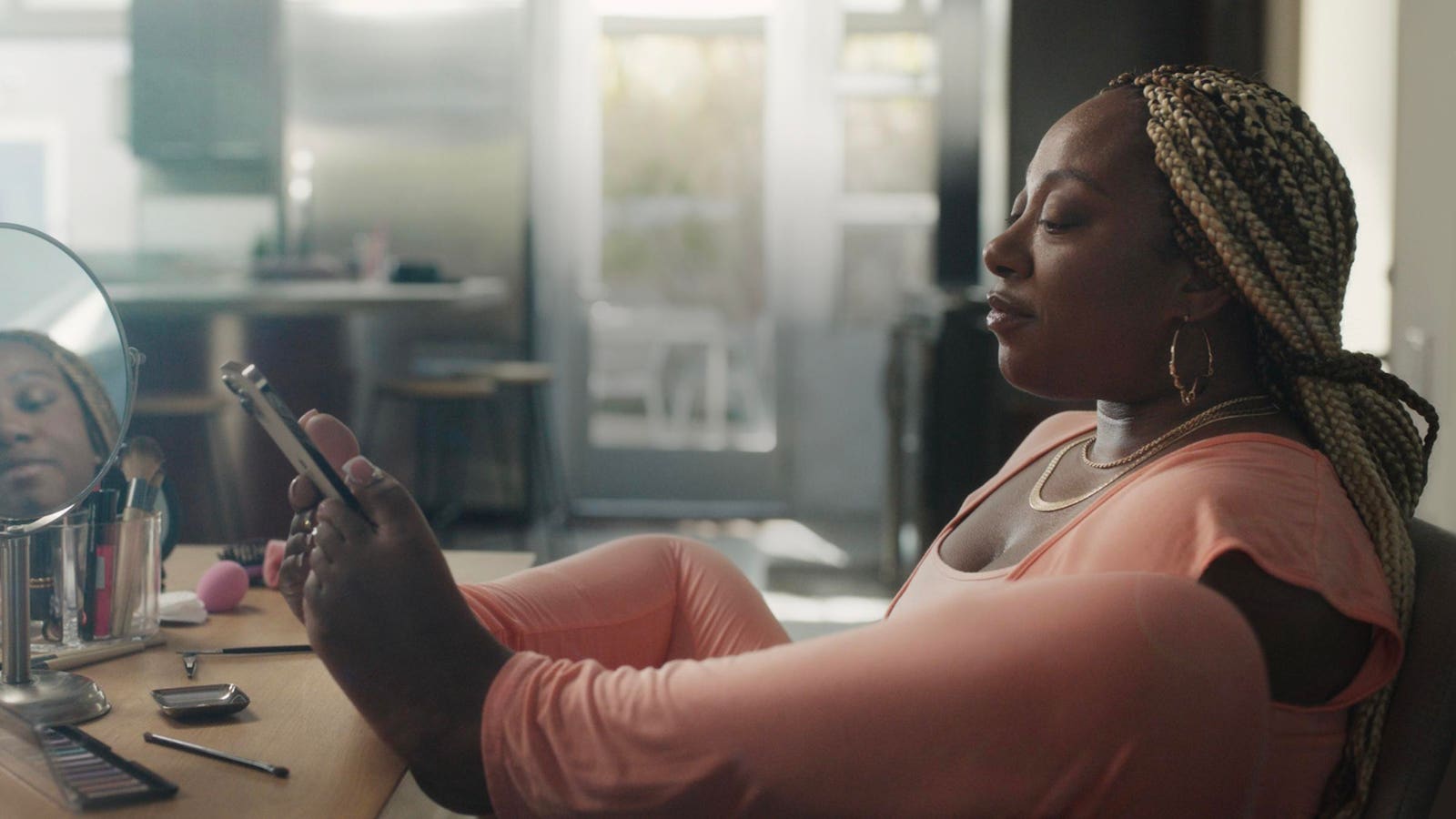
In the pantheon of tech marketing, where campaigns often celebrate speed, power, and sleek aesthetics, Apple has carved out a profoundly different and culturally significant lane: advertising that positions accessibility not as a special feature, but as a fundamental human right and a core design principle. These campaigns, from "The Greatest" to "I'm Not Remarkable," do more than showcase technology; they perform a narrative recalibration of disability, shifting it from a story of limitation to one of agency, independence, and ordinary life. This article explores how Apple’s accessibility-focused advertising has become a benchmark for inclusive storytelling, blending authentic human experience with a powerful brand philosophy.
The Philosophical Foundation: Accessibility as Human-Centered Design
Apple’s approach is rooted in a foundational belief articulated in its marketing: "Technology is most powerful when it empowers everyone." This is not a post-production add-on but a design mandate. Their advertising reflects this by making three critical philosophical statements:
Inclusion is Invisible When Done Right: The most powerful accessibility features are those that are seamlessly integrated. Ads show people using VoiceOver to navigate their iPhone or Live Captions on a FaceTime call not as a "special mode," but as the natural, fluid way they interact with the world. The technology disappears, and the human activity remains center stage.
The User is the Expert: Apple’s ads avoid a savior narrative. The brand is not "giving" ability; it is providing tools that users, who are experts in their own lives, wield with mastery. The focus is on their competence, creativity, and independence.
Normalization Over Inspiration: A deliberate rejection of "inspiration porn"—the trope of portraying people with disabilities as inherently inspirational for everyday acts. Apple’s narratives are deliberately ordinary. A student studies, an athlete trains, a person communicates with a loved one. The remarkable thing is the life being lived, not the disability being overcome.
Campaign Deconstruction: The Evolution of a Narrative
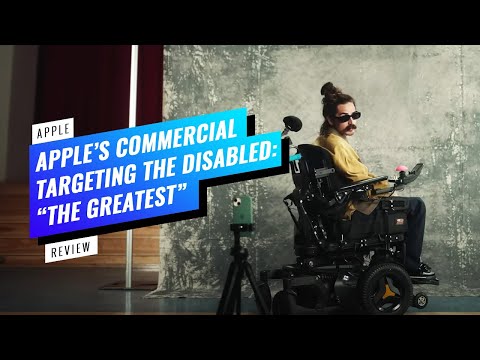
1. "The Greatest" (2022) – The Authenticity Revolution
The Ad: Directed by Kim Gehrig, this film is a montage of real people with disabilities using Apple devices in their daily routines. A deaf father feels his baby’s heartbeat through haptic feedback. A musician with limb differences composes using AssistiveTouch. A blind user navigates a city with VoiceOver and LiDAR Scanner.
Why It’s a Landmark: This was Apple’s full-throated declaration that accessibility is mainstream marketing material. It wasn’t a niche webpage or a dedicated section; it was a flagship ad. The casting of real people, not actors, and the focus on intimate, authentic moments built immense trust. It moved accessibility from the "Settings" menu to the heart of Apple’s brand story.
YouTube Link:
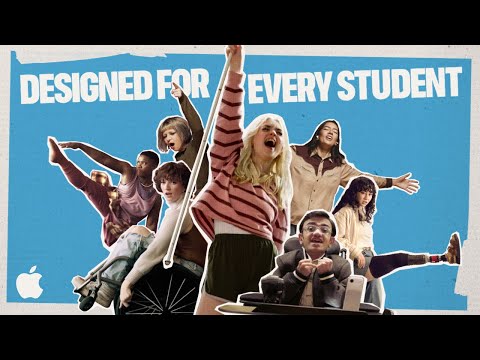
2. "I'm Not Remarkable" (2025) – The Normalization Masterstroke
The Ad: Released for the International Day of Persons with Disabilities, this spot follows a college student who is blind. We see her navigating campus, studying with a Magnifier, collaborating with classmates, and using Live Captions in a lecture. The title is the thesis: her life is not remarkable; it’s typical, aspirational, and full of the same challenges and joys as any student.
Why It’s a Landmark: This campaign directly attacks condescending stereotypes. By asserting "I'm not remarkable," it demands that the viewer see the person, not the disability. It frames accessibility features (Braille displays, sound recognition) as the standard-issue tools for a standard-issue life, powerfully arguing for inclusion as baseline equality, not exceptional accommodation.
YouTube Link:
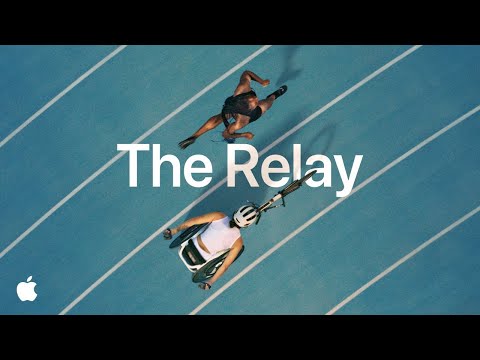
3. "The Relay" (2024) – Redefining Performance
The Ad: A cinematic celebration of Paralympic athletes, intercut with their use of Apple technology for training, communication, and daily life. An amputee runner analyzes gait with Apple Watch metrics. A swimmer uses Voice Control to manage music and timers.
Why It’s a Landmark: It brilliantly connects accessibility to peak human performance and aspiration. It argues that the same design philosophy that empowers daily life also empowers world-class athletic achievement. It prevents accessibility from being pigeonholed as solely about "basic needs" and positions it as integral to excellence, ambition, and pushing human limits.
YouTube Link:
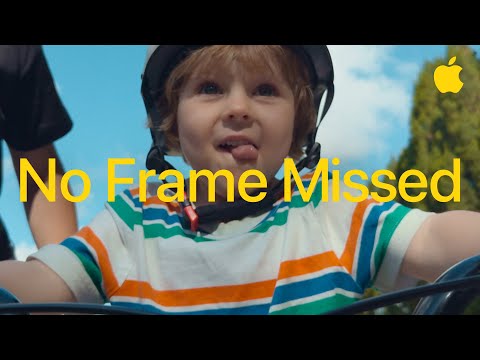
4. "Heartstrings" & "No Frame Missed" (2024-25) – The Documentary Intimacy
The Ad: These docu-style pieces take a quieter, more intimate approach, following individuals and families over time. They show the subtle, profound impact of features like Sound Recognition for a deaf parent or Switch Control for a child with motor disabilities.
Why It’s a Landmark: This format provides emotional depth and longitudinal proof. It shows that accessibility isn't a one-time fix but an ongoing part of a life story. It builds a deeper, more empathetic connection by slowing down and showing the cumulative impact of dignity and connection over time.
YouTube Link:
The Strategic Impact: Why This Advertising Works
Apple’s accessibility campaigns achieve multiple strategic objectives beyond selling devices:
Brand Differentiation as a Moral Force: In a competitive market, Apple differentiates itself on values, not just volts. It builds a brand halo of empathy, responsibility, and human-centric innovation that is incredibly difficult for competitors to replicate authentically.
Expanding the Addressable Market: By visibly and thoughtfully including people with disabilities, Apple signals to a vast, often underserved market (over 1 billion people globally) that it designs for them. This isn't charity; it's smart, inclusive business.
Driving Internal & Industry Innovation: Publicly championing these features creates a "virtuous cycle." It sets a high public expectation that pushes Apple’s own engineering teams to innovate further in accessibility and pressures the entire tech industry to follow suit, raising the bar for everyone.
Cultivating Deep Loyalty: For users who depend on these features, this marketing is a form of validation and recognition. It fosters fierce brand loyalty that transcends product cycles, as users trust Apple to continue prioritizing their needs.
Navigating the Risks: Authenticity vs. Performativeness
The strategy is not without its tightropes:
The "Checkbox" Risk: There is a perpetual danger of the effort being seen as performative "woke-washing" if the marketing outpaces the real-world product experience or if accessibility support in stores and services is inconsistent.
The Complexity of Representation: With a vast spectrum of disabilities, no single campaign can represent all experiences. Apple must continue to showcase a diverse range of stories to avoid creating a new, narrow stereotype.
Balancing Emotion with Information: The focus on beautiful storytelling must still ensure that users who need these features can easily discover and understand how to use them. The emotional ad must be supported by clear, accessible documentation.
Conclusion: Advertising as an Agent of Cultural Change
Apple’s accessibility-focused advertising represents a pinnacle of what marketing can be when aligned with a profound human-centric philosophy. These campaigns do more than highlight features; they actively participate in reshaping cultural narratives around disability, technology, and inclusion.
By moving from the inspirational exceptionalism of the past to the dignified normalization of the present, Apple has used its colossal marketing platform to argue a simple, revolutionary idea: that the world we build—including our digital world—should have no built-in barriers. In doing so, they have redefined their brand’s legacy. The most powerful "feature" they advertise is not in the chip or the camera, but in the demonstrated belief that great technology doesn't create a new elite; it dismantles barriers to ensure everyone has a place at the center of the human experience. This isn't just good advertising; it's a blueprint for how a corporation can use its voice to reflect, and perhaps even accelerate, societal progress.
Discover the artist behind the captivating song in the Apple AirPods Pro ad. Uncover the details and enhance your listening experience today.
Discover the deeper meaning behind the Apple AirPods 2026 commercial. Explore themes, symbolism, and the message that resonates with audiences worldwide.
Discover the song featured in the Apple Holiday 2025 commercial. Uncover the artist and lyrics that set the perfect festive mood this season.
Discover the most viral Spotify Wrapped ads that captivated audiences and sparked conversations. Explore the creativity behind these memorable moments.

Discover how Crocs cleverly uses humor in their ads to boost popularity and connect with audiences. Explore the fun side of footwear marketing today!

Explore the iconic Converse ads that shaped youth culture and movements. Discover how these campaigns resonated with generations and inspired change.

Discover Vans ads that celebrate the essence of skateboarding culture. Explore iconic designs and stories that resonate with skaters worldwide.

Discover how Puma's innovative ads seamlessly blend fashion and sports, showcasing style and performance in every campaign. Explore the evolution of athletic advertising.
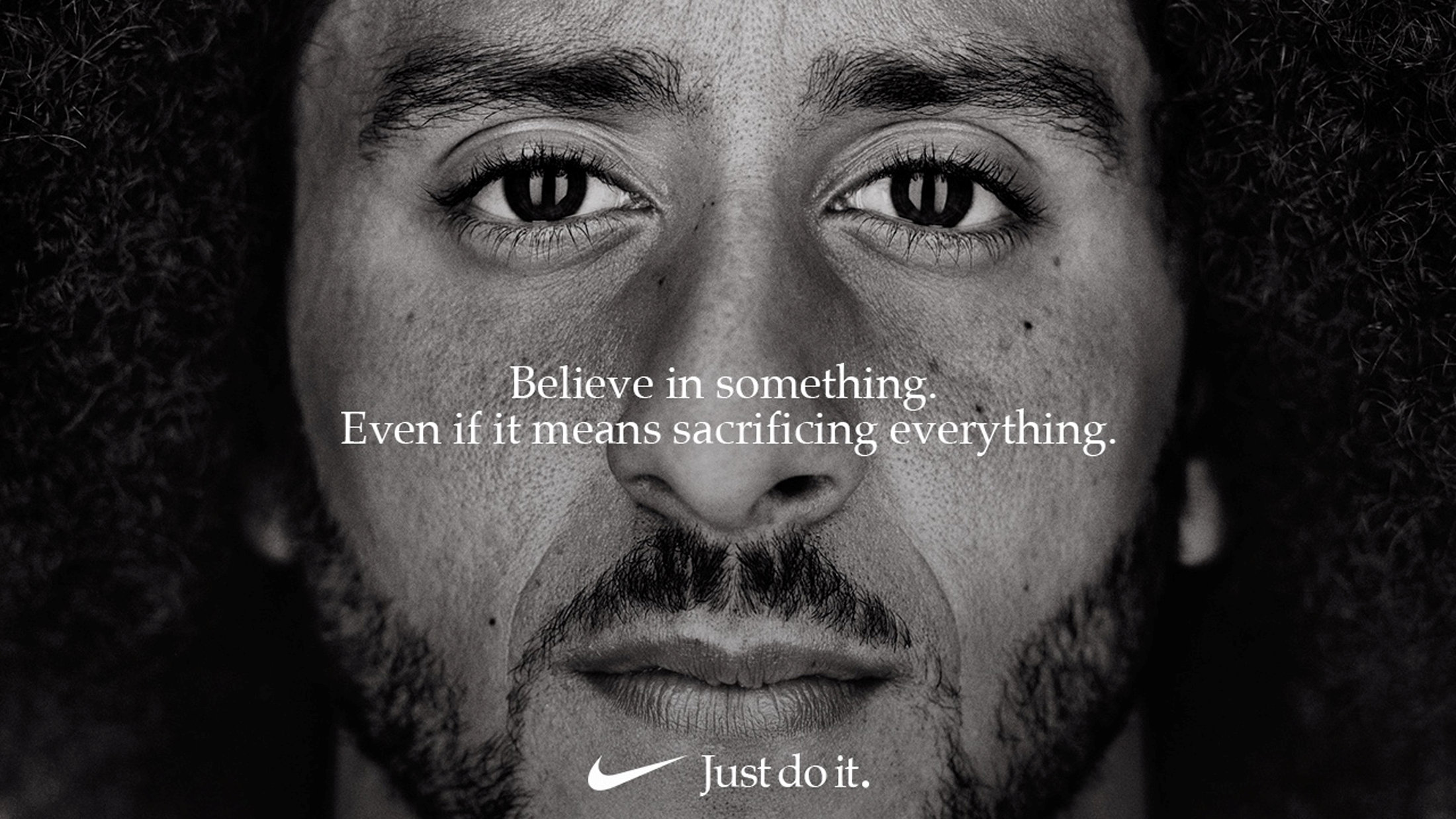
Discover Nike's latest ads showcasing unexpected collaborations that redefine style and innovation. Explore the creative partnerships making waves in fashion.
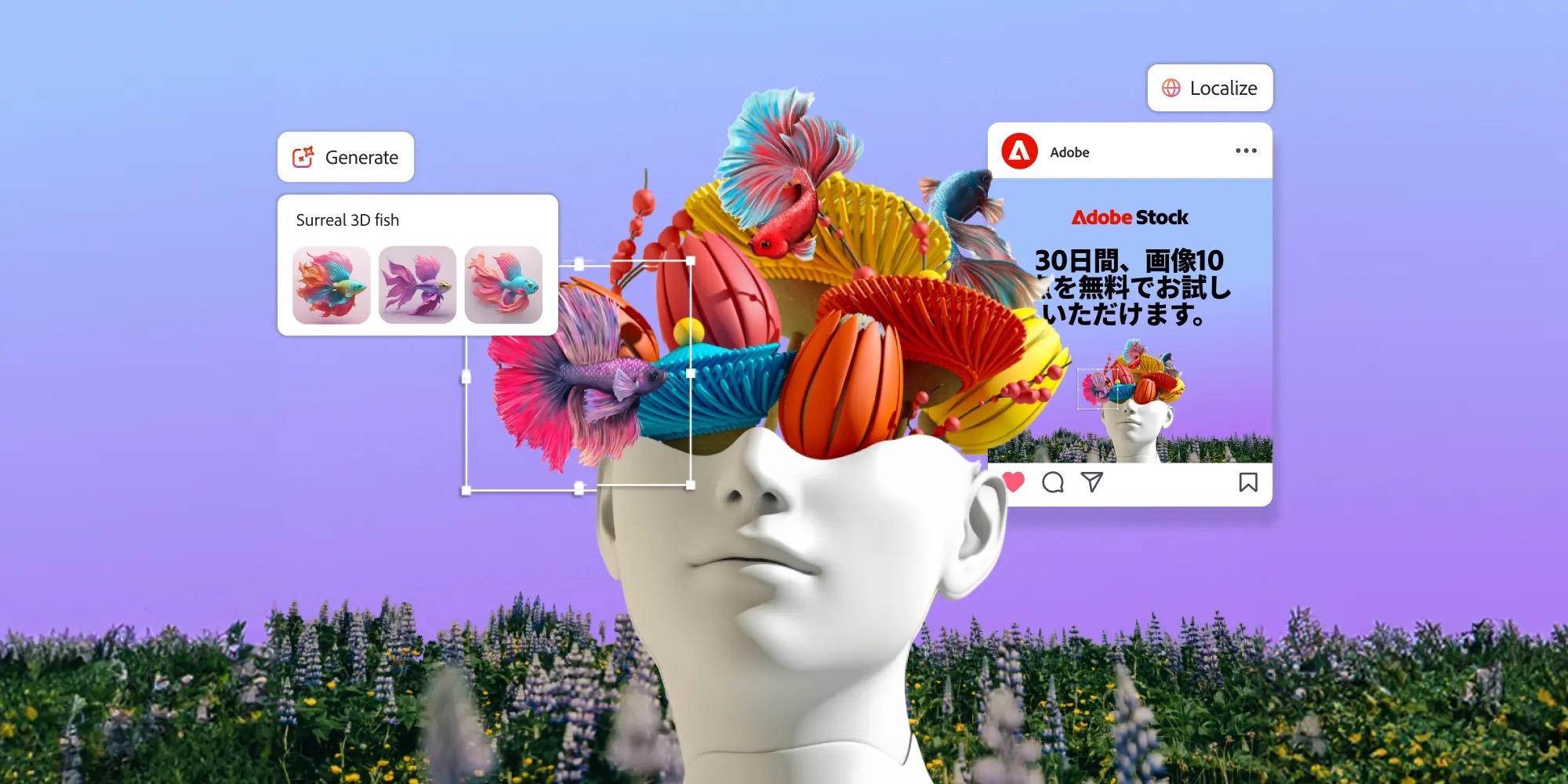
Discover how Adobe Ads celebrates digital creativity, empowering artists and marketers to unleash their potential and connect with audiences like never before.
Discover how Zoom ads have transformed remote work culture, showcasing innovative strategies that resonate with today's digital workforce.