
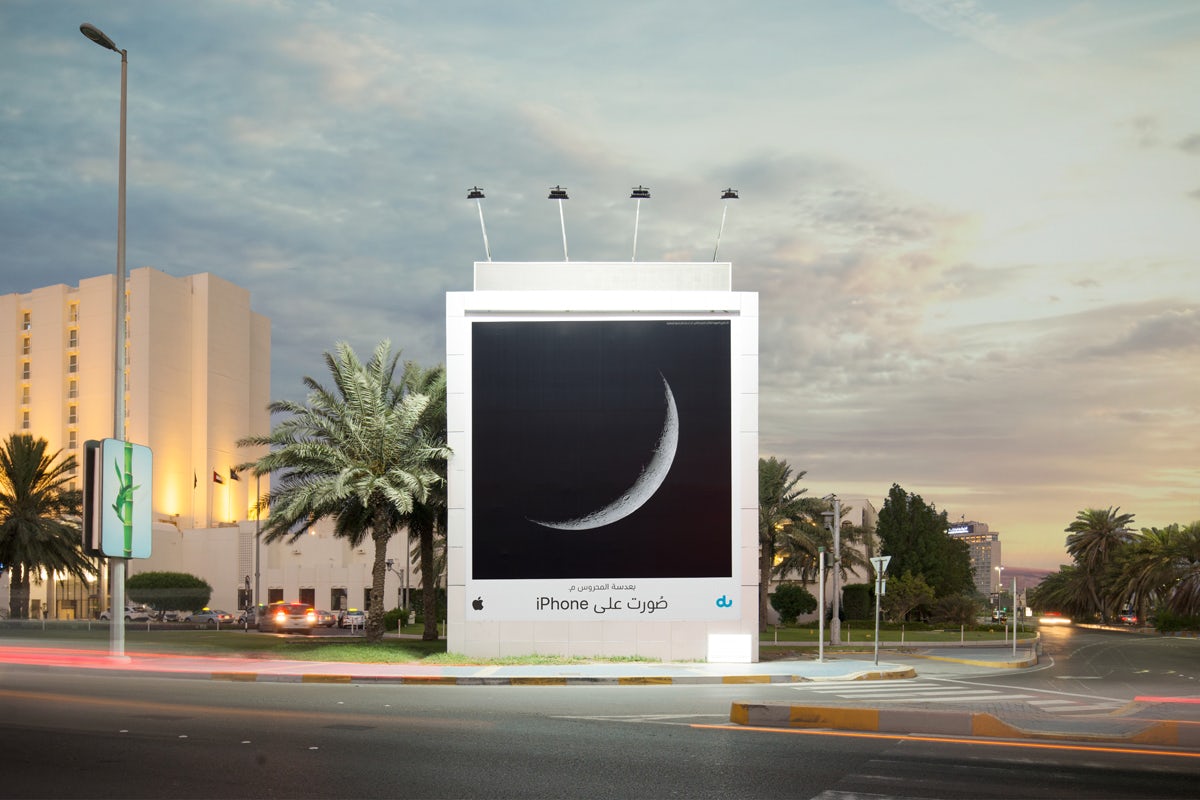
In a technology landscape saturated with ads proclaiming megapixels, processor speeds, and technical specifications, Apple took a radically different direction in 2015. With the launch of the "Shot on iPhone" campaign, the company didn't just promote a feature; it inaugurated a cultural movement. This approach, which privileged authenticity over professional polish, not only revolutionized iPhone advertising but redefined the relationship between brands and their audiences globally. Over a decade, the campaign has proven that the most compelling narrative power lies in the hands of users.
The Origins: A Simple Idea with Colossal Potential
The campaign launched in 2015, linked to the camera system of the iPhone 6. The premise was deceptively simple: replace studio photography and technical slogans with real photos taken by real users. These images would be displayed on billboards, print ads, and digital platforms worldwide.
Apple's creative team understood a fundamental truth: the best proof of the iPhone camera's quality wasn't a spec sheet, but the visual evidence created by those who used it daily. The objective was twofold: to highlight the camera as the iPhone's defining feature and, simultaneously, empower users to become storytellers and brand ambassadors. This act of trust—ceding creative control to the public—was a bold move that laid the foundation for its success.
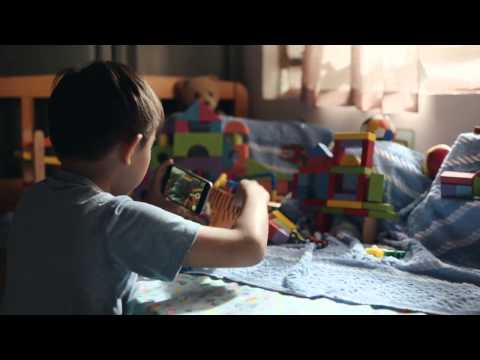
Watch the Shot on iPhone 6 launch ad:
Global Resonance: Authenticity, Democracy, and Art
Why did a campaign based on amateur photos resonate so powerfully? The answer lies in several key pillars:
Authenticity: In a world of highly produced advertising, the raw, real images offered undeniable freshness. The public didn't see themselves reflected in unattainable models, but in everyday moments elevated to art: a sunset on the commute home, a child's spontaneous smile, the geometry of an urban landscape. This authenticity created a powerful and credible emotional connection.
Democratization of Creativity: "Shot on iPhone" conveyed a powerful message: art is not exclusive to professionals. Anyone with an iPhone in their pocket had the potential to see their work displayed on a billboard in Tokyo, Paris, or New York. This inclusivity transformed the campaign from a brand monologue into a global participatory conversation.
Visual Storytelling: Apple wasn't just selling a sensor or a lens; it was selling the ability to capture stories. The campaign bridged the gap between technology and human experience, positioning the iPhone not as a gadget, but as a tool for personal expression.
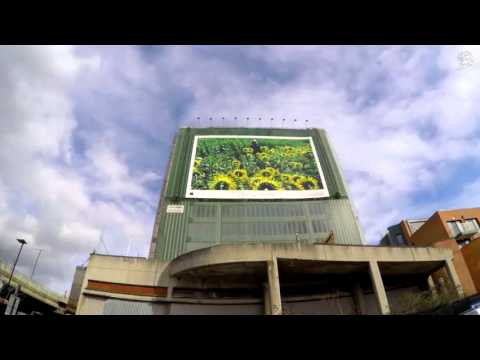
Reach and Ubiquity: With implementation in over 70 cities, the campaign transformed the urban landscape into an open-air art gallery. The billboards weren't mere ads; they were thought-provoking exhibitions, integrating the brand into the cultural fabric of cities.
See the global extension in the "World Gallery" billboard campaign:
Cultural and Marketing Impact: A New Paradigm
The legacy of "Shot on iPhone" can be measured in several dimensions that transcend sales:
Advertising Innovation: It elevated user-generated content (UGC) to premium advertising status. It proved that consumer-created content, with careful curation, could have greater aesthetic and emotional impact than the most expensive productions.
Brand Positioning: It cemented in the collective psyche the idea of the iPhone as the gold standard in mobile photography. The proof was in the thousands of spectacular images associated with the #ShotoniPhone tag.
Consumer Engagement: The campaign generated a global community of creators. Millions of users began sharing their photos with the hashtag, not just seeking recognition, but participating in a collective project.
Industry Recognition: The peak of its credibility came in 2025, when it won the Grand Prix for Creative Effectiveness at the Cannes Lions Festival, an honor that recognizes not just creativity, but its sustained commercial and cultural impact over a decade.
The Evolution: Staying Fresh for a Decade
The longevity of "Shot on iPhone" is a testament to its ability to evolve alongside technology and culture.
The Early Years (2015-2017): Focused on still photography, celebrating landscapes, portraits, and everyday scenes with stunning clarity.
Expansion to Video (2018-2020): With advances in stabilization and video quality, Apple began highlighting short films, music videos, and documentaries shot entirely on iPhone, challenging notions of what's possible with a phone.
Night Mode and Advanced Features (2020-2023): The campaign adapted to showcase specific technical capabilities like Night Mode and Cinematic Mode, demonstrating innovation without losing its user-centric essence.
A Decade of Legacy (2025): The tenth anniversary was not just a look back, but a reaffirmation of its continued relevance, crowned by the prestigious recognition at Cannes.
Watch how the campaign evolved into narrative video: 
Discover the visual impact of Night Mode: 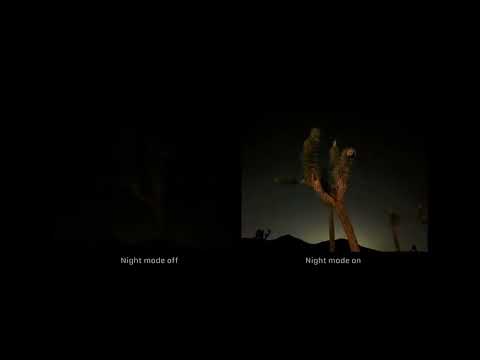
Expert Analysis: A Masterclass in Brand Building
Marketing experts point out that "Shot on iPhone" is a perfect case study in long-term brand building. Andrea Diquez, CEO of GUT and Cannes jury president in 2025, praised it for "transforming the everyday into art and democratizing creativity."
Keys to its Success:
Simplicity: A clear, undeniable message: "Look what you can create."
Participation: It invited mass collaboration, generating a vast ocean of content.
Consistency: It maintained its creative core across multiple product generations.
Cultural Integration: It became part of the environment, blurring the line between advertising and public art.
Risks and Challenges Overcome:
Dependence on UGC: Required a meticulous curation process to maintain an exceptional quality standard.
Competitive Pressure: Brands like Samsung and Huawei launched similar campaigns, but none achieved the same cultural resonance or perceived authenticity.
Evolving Expectations: The campaign forced Apple to keep innovating in hardware and software to maintain the narrative of leadership.
Influence Beyond Apple: A Paradigm Shift
The impact of "Shot on iPhone" extends far beyond Cupertino. It influenced entire industries, encouraging brands to see their customers not just as consumers, but as co-creators. Nike with its social media challenges, Airbnb with guest photography, and thousands of other brands adopted UGC-based marketing strategies.
Fundamentally, the campaign marked a shift from product-centric to experience-centric marketing. It was no longer about what the device was, but what it enabled people to do: create, connect, tell stories, and see the world in a more beautiful way.
Watch the 10th-anniversary tribute summarizing its legacy: 
Conclusion: More Than a Campaign, a Cultural Movement
"Shot on iPhone" completely transcends the definition of an advertising campaign. It is a cultural phenomenon that redefined the power dynamic between brands and people. By trusting in the creativity of its users, Apple didn't just sell phones; it cultivated a global community of amateur artists, validated their perspectives, and demonstrated that the most powerful creation tool is the one in our pocket.
Its enduring legacy is proof that in the digital age, authenticity, participation, and user empowerment are not just effective marketing strategies, but the pillars for building a deep and lasting connection with the world. A decade later, every photo tagged #ShotoniPhone remains a testament to a visionary idea: that the next masterpiece isn't in a studio, but in daily life, waiting to be captured.
Discover the artist behind the captivating song in the Apple AirPods Pro ad. Uncover the details and enhance your listening experience today.
Discover the deeper meaning behind the Apple AirPods 2026 commercial. Explore themes, symbolism, and the message that resonates with audiences worldwide.
Discover the song featured in the Apple Holiday 2025 commercial. Uncover the artist and lyrics that set the perfect festive mood this season.

Discover the most iconic summer campaigns in Africa, showcasing vibrant cultures, stunning landscapes, and unforgettable experiences that define the season.

Discover how Xerox ads revolutionized business marketing strategies, influencing brand messaging and consumer engagement in the modern marketplace.

Discover how NEC Ads transformed tech marketing strategies, driving innovation and engagement in the digital landscape. Explore the impact today!

Discover how Fujitsu's innovative advertising strategies have reshaped tech marketing, driving engagement and setting new industry standards.

Discover how Acer Ads revolutionized laptop marketing strategies, influencing consumer behavior and setting new industry standards for advertising effectiveness.

Discover how Oracle Ads revolutionized enterprise marketing strategies, enhancing targeting, engagement, and ROI for businesses in the digital landscape.

Discover how IBM Ads revolutionized tech culture, influencing innovation and shaping the digital landscape. Explore the impact on advertising and technology.

Explore Renault's innovative advertising journey in automotive safety, highlighting groundbreaking campaigns that prioritize driver and passenger protection.