
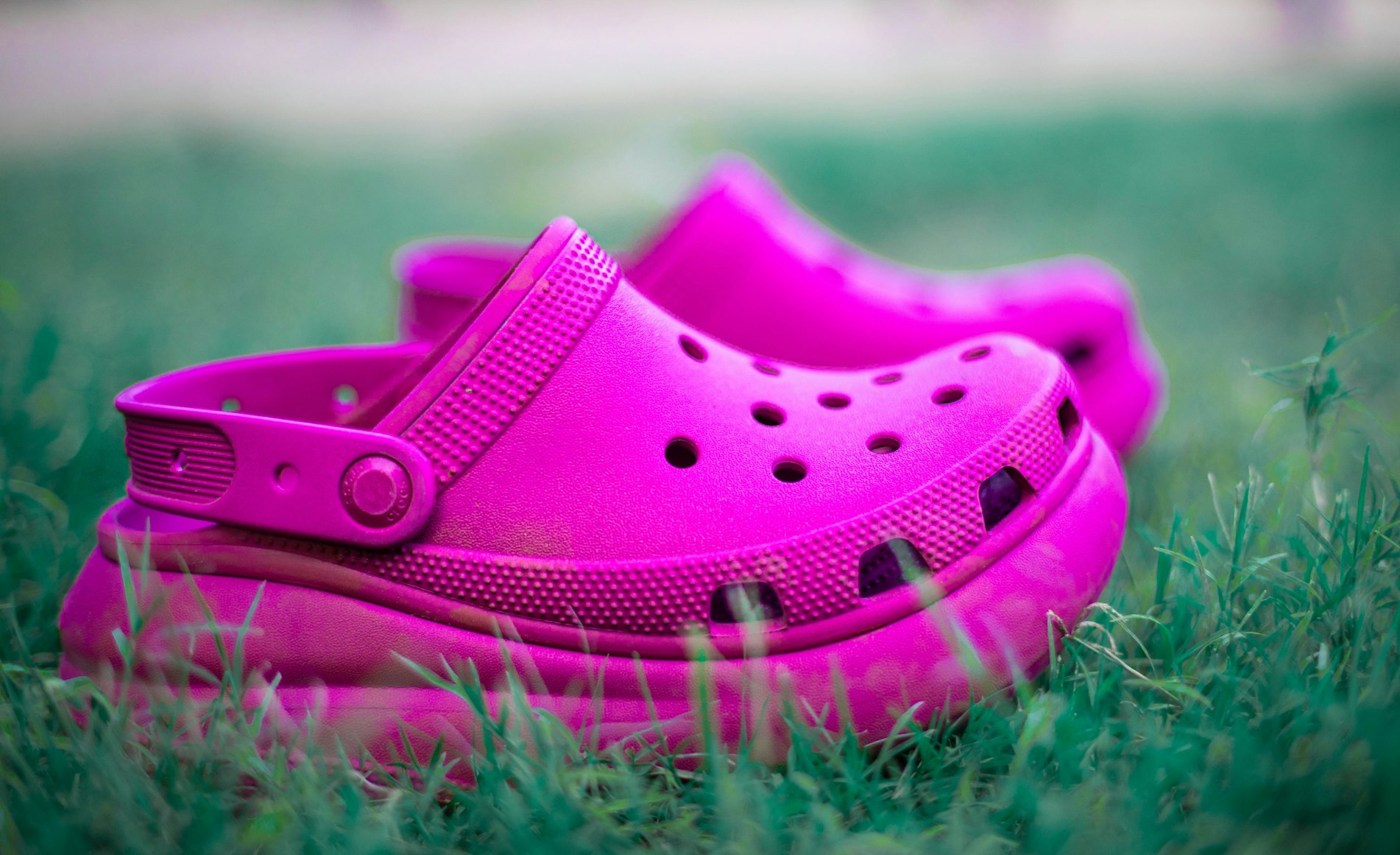
In the pantheon of improbable fashion comebacks, few stories are as remarkable as that of Crocs. Once universally derided as the "ugly shoe"—the clunky, perforated, foam-clog punchline of the 2000s—Crocs has engineered one of the most dramatic brand rehabilitations in modern history. The catalyst wasn't a radical design overhaul or a pivot to high fashion, but something far more ingenious: a masterclass in self-aware, disarming humor. By embracing their own absurdity, Crocs didn't just deflect criticism; they weaponized it, transforming from a functional medical shoe into a global symbol of playful individuality. This article explores how Crocs' advertising campaigns leveraged humor to build a fiercely loyal community, redefine cool, and achieve cultural ubiquity.
The Genesis of a Punchline: Why Crocs Needed a New Strategy
To understand the brilliance of Crocs' humor strategy, one must first appreciate the depth of their image crisis. By the late 2000s, Crocs were synonymous with fashion faux pas. They were the shoe you wore to garden or in the hospital, not to be seen in public. The brand faced a binary choice: either try to convince the world they were wrong (a costly and likely futile endeavor) or join in on the joke.
They chose the latter, and in doing so, tapped into a powerful modern marketing truth: In an age of cynicism, self-deprecation is the ultimate form of confidence. Instead of running from their "ugly" label, they sprinted toward it with a smirk.
The Anatomy of the Giggle: Deconstructing Crocs' Humor Playbook
Crocs' humor isn't random; it's a sophisticated strategic tool built on several pillars:
Radical Self-Acceptance as Brand DNA: The core message shifted from "These shoes are stylish" to "Yeah, they're weird. And that's why we love them." This disarmed critics instantly. You can't mock someone who's already laughing at themselves.
Celebrity Alignment, Not Endorsement: Crocs didn't seek traditionally "cool" celebrities. They partnered with inherently quirky, rule-breaking icons who embodied individuality—like Post Malone, Drew Barrymore, and Bad Bunny. These collaborations felt like authentic friendships, not paid ads, because the celebrities' personal brands were already aligned with Crocs' offbeat vibe.
The Absurdist Visual Hook: Crocs ads often employ surreal, exaggerated humor. Think foam parties erupting from shoes, or everyday scenarios made bizarre by the simple presence of a brightly colored clog. This visually reinforced the idea that Crocs are a catalyst for fun and a departure from the mundane.
Community-Centric Celebration: The humor was never mean-spirited or exclusionary. It was an invitation to an inside joke, creating a "we're in on it together" mentality among wearers. Owning Crocs became a badge of belonging to a club that didn't take itself too seriously.
Campaign Deep Dives: Laughter as the Launchpad
1. "Come As You Are" (2017) – The Authenticity Manifesto
The Campaign: This global platform was the strategic cornerstone. Featuring Drew Barrymore gardening in her Crocs and later Post Malone in his unique style, the ads had a warm, playful tone. The humor was gentle and inclusive, poking fun at the idea of "dressing up" by championing the opposite.
Why It Worked: It framed Crocs not as a shoe, but as a philosophy of unabashed self-expression. The humor was in the contrast—a major celebrity like Barrymore engaging in humble, messy activities in her "ugly" shoes. It made the brand feel authentic, approachable, and empowering. It said, "Your comfort and your weirdness are welcome here."
YouTube Link:

2. The Post Malone Collaboration (2019) – Eccentricity Goes Viral
The Campaign: The partnership with tattooed, genre-bending rapper Post Malone was a cultural lightning strike. Ads featured Post being his unapologetically strange self, customizing Crocs with Jibbitz charms, and treating them as a core part of his eccentric persona.
Why It Worked: This collaboration was humor through authentic eccentricity. Post Malone didn't need to act funny; his genuine, laid-back weirdness was the joke and the appeal. It gave Crocs instant "street cred" with a younger demographic and demonstrated that the brand could be a canvas for personal creativity. The viral, meme-friendly nature of the partnership was a humor-driven marketing bonanza.
YouTube Link:

3. "Ugly Can Be Beautiful" & Self-Deprecating Taglines
The Campaign: Crocs openly used taglines like "Ugly But Comfortable" and "Come As You Are, in the Shoes You Love to Hate." They produced ads that literally addressed the elephant in the room—the shoe's divisive look—with a wink.
Why It Worked: This is preemptive comedic strike. By saying what everyone was thinking, Crocs robbed critics of their power. It transformed the narrative from "Crocs are ugly" to "Crocs are so confident they can call themselves ugly." This reframing is psychologically powerful, shifting perception from a flaw to a fearless brand trait.
4. Celebrity Parody Ads (2021) – The Meta-Humor Layer
The Campaign: Crocs created ads where celebrities parodied themselves or celebrity culture while wearing Crocs. One notable example featured a lineup of people in a faux-serious ad, all wearing wildly inappropriate attire except for their Crocs, which were treated as the normal item.
Why It Worked: This introduced meta-humor—making fun of advertising itself. It showed that Crocs didn't just understand the joke about their shoes; they understood the bigger joke about fashion and marketing pretension. It positioned Crocs as the antidote to fakeness, a brand savvy enough to mock the very industry it operates in.
YouTube Link:

5. Surreal "Foam Party" & Visual Gags
The Campaign: Through animated and live-action ads, Crocs visualized their proprietary Croslite™ foam material in absurd ways: as bubbling foam overflowing into streets, or giving characters bouncy, joyful superpowers.
Why It Works: This leverages exaggeration and surrealism for product benefit recall. By humorously hyperbolizing the comfort and lightness of the foam, they create a memorable, sensory association. The fun isn't just for laughs; it directly translates the physical feeling of wearing Crocs into a visual metaphor.
The Psychological Payoff: Why We Bought the Joke
Crocs' strategy succeeded because it expertly navigated consumer psychology:
The Underdog Effect: We root for those who embrace their flaws. Crocs' self-deprecation made them the lovable underdog.
Tribal Identity: The humor created an "us vs. them" dynamic—the cool, confident, comfortable "us" in Crocs vs. the stuffy, uncomfortable "them" in restrictive shoes.
Permission to Opt-Out: In a culture obsessed with optimization and aesthetics, Crocs' humor gave people permission to prioritize comfort and joy without guilt. It was a rebellious act disguised as a joke.
The Diderot Effect Spoof: While fashion brands try to create a spiral of consumption (buy these shoes, now you need this bag), Crocs' humor broke the cycle. The shoe was the end point. It was so defiantly itself that it didn't demand anything else, which was itself a refreshing and funny concept.
Navigating the Risks: The Tightrope of Comedy
This approach was not without peril:
The Gimmick Cliff: There's a fine line between being playfully self-aware and becoming a one-note joke. Crocs avoided this by ensuring the humor was always in service of a deeper message about authenticity and comfort.
Cultural Translation: Humor is culturally specific. What's funny in one market may fall flat in another. Crocs' global success suggests their core message of joyful individuality transcended specific comedic beats.
Balancing Credibility: For all the laughs, the product had to deliver on its core promise of comfort. The humor brought people in, but the functional utility kept them coming back.
Conclusion: The Last Laugh
Crocs' journey from pariah to paradigm is a testament to the transformative power of owning your narrative with humor. In a marketing landscape crowded with brands shouting about their perfection, Crocs whispered a joke and got everyone to lean in. They proved that in the 21st century, vulnerability—expressed through laughter—is a stronger brand asset than invincibility.
By cleverly advertising with humor, Crocs did more than sell shoes; they sold a mindset. They built a global community united not by a shared aesthetic, but by a shared wink. They turned every pair of clogs into a statement that said, "I don't take myself too seriously, and neither should you." In the end, Crocs didn't just change how we think about a shoe; they gave us permission to laugh at ourselves, and in doing so, they had the last, most profitable laugh of all.

Explore the iconic Converse ads that shaped youth culture and movements. Discover how these campaigns resonated with generations and inspired change.

Discover Vans ads that celebrate the essence of skateboarding culture. Explore iconic designs and stories that resonate with skaters worldwide.

Discover how Puma's innovative ads seamlessly blend fashion and sports, showcasing style and performance in every campaign. Explore the evolution of athletic advertising.
Discover Nike's latest ads showcasing unexpected collaborations that redefine style and innovation. Explore the creative partnerships making waves in fashion.

Discover how Adobe Ads celebrates digital creativity, empowering artists and marketers to unleash their potential and connect with audiences like never before.

Discover how Zoom ads have transformed remote work culture, showcasing innovative strategies that resonate with today's digital workforce.

Discover how Uber Ads bring everyday stories to life, showcasing real experiences and connections that resonate with audiences everywhere.

Discover the commercials that transcended advertising to become iconic pop culture catchphrases. Explore their impact and lasting legacy today!